Trip of a Lifetime: How to Visit the Amazon Rainforest
There is a kind of silence that money simply cannot buy in Lincolnshire. For genuine wilderness, the sort that makes the hairs on your arm stand up, you have to go a very long way indeed, you have to go to the Amazon
You may have the gravel drive, the Aga warming the kitchen, the paddock with two ungrateful ponies and the view that estate agents describe as far-reaching. And yet you will still never, on a still evening with the windows open, hear genuine wilderness — the kind that hums, ticks, whoops, croaks and roars all at once, with not a single human-made sound buried anywhere inside it. For that, you must go to the Amazon.
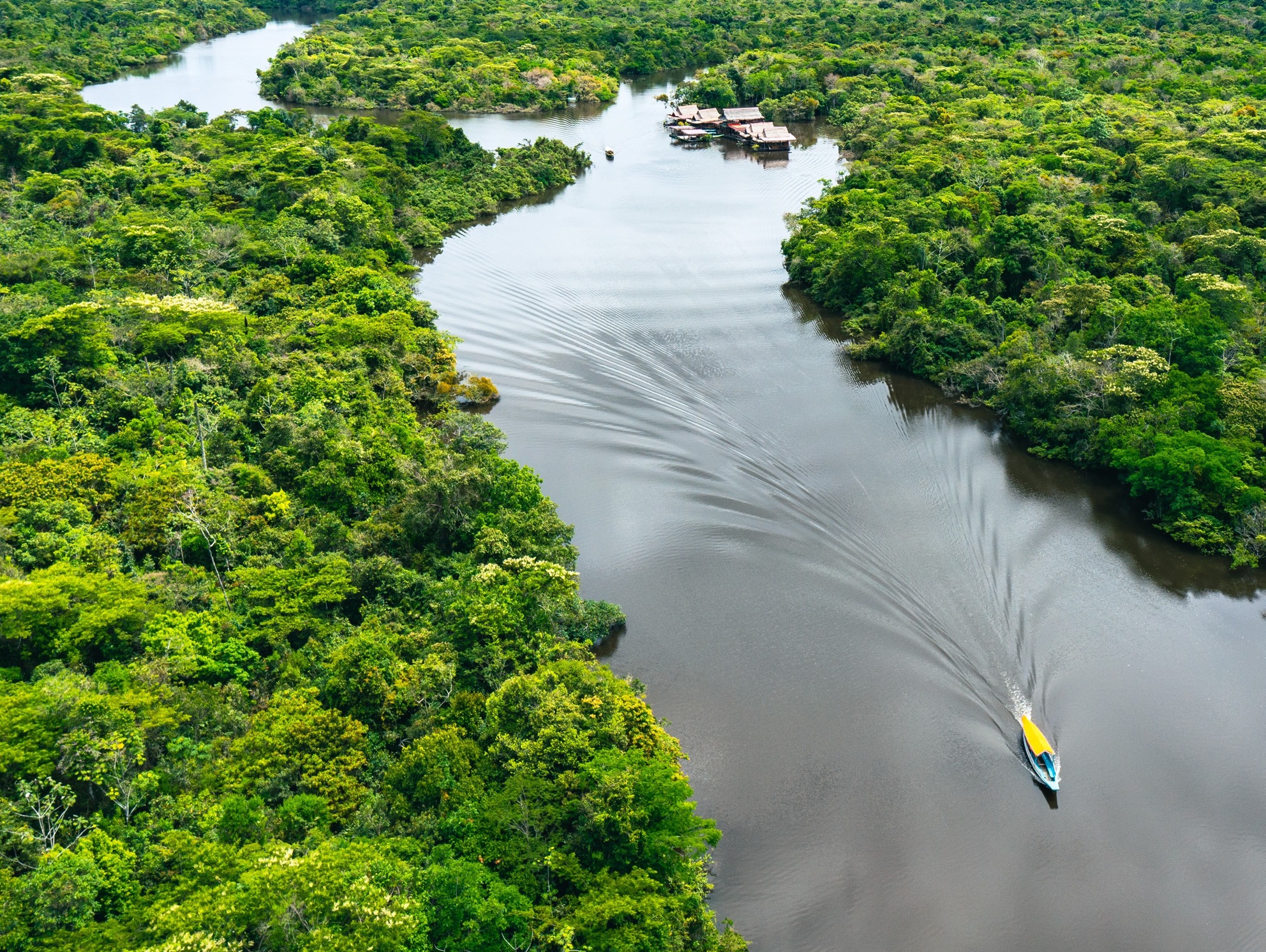
Stand on the deck of a riverboat at first light, watch a pink dolphin roll lazily through water the colour of strong, sugarless tea, while a dawn chorus of ten thousand unseen creatures tunes up around you, and you begin to understand why otherwise sensible people rearrange their lives and finally book the trip they’ve been promising themselves for thirty years.
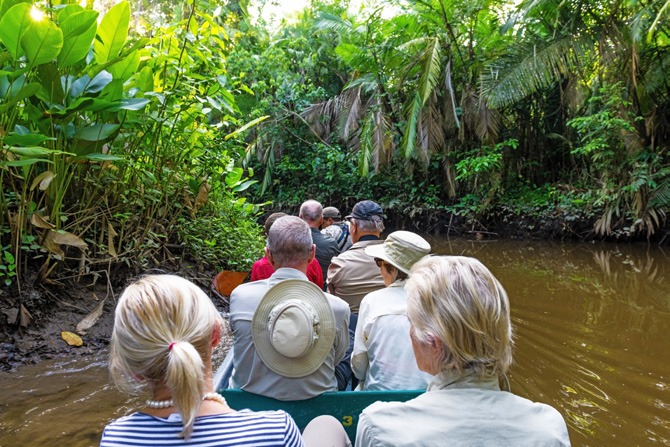
Let’s be clear about what this is, because it isn’t what some imagine. This is not a beach holiday with a token jungle excursion bolted on for the photographs. It is a proper expedition — but one served with excellent wine, crisp linen and a chilled caipirinha at sundown. You sleep in an air-conditioned cabin or a handsome thatched lodge on stilts. You dine remarkably well. And a naturalist guide who has spent the better part of three decades reading the river does all the genuinely difficult work of finding the wildlife, while you simply point, gasp and reach for the binoculars.
A word of honest warning: this is a genuinely long way to travel, it is hot, and the wildlife does not perform to a timetable. Anyone expecting a polished nature-documentary montage to unfold every twenty minutes will spend the first afternoon faintly disappointed. But for the patient traveller, the rewards are without equal. Unlike almost anywhere else left on this crowded earth, the Amazon cannot be imitated, improved upon or substituted.
Getting There
Your gateway is Manaus, an improbable, sweltering city of two million people dropped into the middle of the rainforest and reachable only by air or by river. The civilised option is British Airways or LATAM direct from Heathrow to São Paulo (around 11½ hours), then a connecting LATAM or Azul flight north to Manaus (a further four hours). Many seasoned travellers prefer TAP Air Portugal via Lisbon instead, which breaks the journey pleasantly and often costs less. Either way, pack patience and a good book.
Rough guide: economy return London-Manaus from around £900-£1,100 per person; premium economy £1,800-£2,400; business class £3,500-£5,000+.
When to Go
The Amazon has two seasons, and the advice splits accordingly. The low-water (dry) season runs roughly June to November, when receding water concentrates fish, pink dolphins and forest animals into smaller areas — better for jungle walks, wildlife spotting and piranha fishing. The high-water season (December to May) floods the forest, opening up canopy spotting and piranha fishing by canoe through flooded ‘water labyrinths’, the more romantic, dreamlike version of a riverboat cruise. For first-timers, the classic wildlife trip runs from July to September.
Where to Stay
The Amazon offers three distinct flavours of luxury, and the best trips combine a riverboat with a lodge. The floating five-star option is a proper cruise ship such as the Iberostar Grand Amazon, with air-conditioned cabins and gourmet dining, sailing the Negro and Solimões rivers from Manaus — from around £350-£550 per person per night, all-inclusive of excursions.
The expedition riverboat is smaller and more intimate — vessels such as the 18-guest Motor Yacht Tucano venture deep up the Rio Negro, away from everything, with four to five daily excursions in small groups. This is the connoisseur’s choice: five-day cruises from around £2,500-£3,500 per person, full board.
The rainforest lodge option puts you on solid ground beneath the treetops. Eco-lodges around Manaus and the Anavilhanas archipelago offer thatched comfort on stilts, often a couple of hours upriver — rough guide £200-£400 per night for a smart lodge, meals and guided activities included. The insider move is to spend a couple of nights on a riverboat and a couple in a lodge, so water and land experiences give you completely different wildlife encounters.
What You Must See and Do
The Meeting of the Waters, just outside Manaus, is where the coffee-black Rio Negro meets the sandy Solimões, the two rivers running side by side, refusing to mix, for several miles — a startling natural line drawn across the water, and usually included in any itinerary.
Swimming with pink dolphins is the star of the show. The boto, the Amazon’s pink river dolphin, is increasingly protected by responsible operators, so choose one carefully; the magic is in seeing them wild from the boat at dawn, not in a feeding circus.
Piranha fishing at sunset is more fun than it has any right to be, always monitored by experienced guides and run on sustainable principles — and yes, you can eat your catch. A night canoe safari out on the black water after dark, where your guide’s torch catches the orange eye-shine of caiman, is worth the airfare for the soundscape alone. Back in Manaus, the pink-domed Teatro Amazonas opera house, built at the height of the rubber boom with materials shipped from Europe, makes a glorious half-day city tour, from around £40-£70 per person.
What to Eat
The Amazon’s larder is unlike anywhere else, and trying it is half the adventure. Tambaqui, a giant river fish grilled over charcoal, is the single dish you must not leave without trying. Tucumã, a vivid orange palm fruit, is eaten at breakfast in a sandwich called x-caboquinho — an acquired taste, gloriously so. Açaí here is served thick, savoury and unsweetened, often with fish, rather than as a trendy smoothie bowl, while cupuaçu, the chocolate cousin, is made into extraordinary ice cream and juice worth ordering everywhere you see it.
FAQ
How do you get to the Amazon rainforest from the UK?
The usual route is a direct flight from Heathrow to São Paulo with British Airways or LATAM, then a connecting flight north to Manaus, the main gateway city to the Amazon. Some travellers prefer routing via Lisbon with TAP Air Portugal instead.
When is the best time to visit the Amazon?
For first-time visitors, July to September is recommended for the classic wildlife-spotting trip, during the low-water dry season when animals concentrate around smaller areas of water.
Is a riverboat or a lodge better for an Amazon trip?
Both have their strengths — a riverboat covers more ground and offers daily excursions, while a lodge gives you solid ground beneath the treetops. The best trips combine a few nights of each for different wildlife encounters.
How much does a trip to the Amazon cost?
Flights alone run from around £900 return in economy, with riverboat cruises from roughly £2,500-£3,500 per person for five days, full board, and lodges from £200-£400 per night.
Is it safe to swim with pink dolphins in the Amazon?Yes, when booked through a responsible operator that manages encounters for the animals’ welfare — the best experiences involve seeing dolphins wild from the boat at dawn rather than in a feeding circus.