British Wildlife in August: What to Spot in Lincolnshire
From blackberrying hedgerows to kingfishers skimming quiet rivers, August is one of the richest months for wildlife-watching in the Lincolnshire countryside. Here’s what to look out for
August is a month of fullness in the Lincolnshire countryside. The vivid freshness of early summer softens into richer colours, ripening fruit and the slower rhythm of late-season days. Hedgerows grow heavy with berries, meadows shimmer in warm sunlight, and waterways reflect long golden evenings. Across the landscape, nature feels generous and mature — carrying the unmistakable sense that summer is beginning to yield to autumn.
Meadows and Late Summer Flowers
Many grasslands have already been cut for hay by August, but unimproved pasture and carefully managed nature reserves still hold real beauty. Knapweed remains one of the defining flowers of the season, its purple heads drawing in bees and butterflies, while field scabious, yarrow and wild carrot add delicate texture among the grasses. Along roadside verges and field edges, rosebay willowherb stands tall in vivid pink drifts, often joined by yellow agrimony and glowing patches of ragwort. In wetter meadows, hemp agrimony and purple loosestrife become especially prominent beside ditches and riverbanks.
Hedgerows and Ripening Fruit
The hedgerow is one of the most rewarding places to explore in August. Across lanes, footpaths and farmland boundaries, shrubs and trees begin producing the fruit that will sustain wildlife into autumn and winter. Blackberries appear first, darkening steadily in the sunshine and drawing walkers, birds and insects alike, while haws, sloes and elderberries begin to swell. Crab apples and rose hips add flashes of colour among the greenery.
These tangled margins stay alive with activity: house sparrows chatter from dense cover, wrens dart low between branches, and orb-weaving spiders spin intricate webs that glisten with early morning dew. Goldfinches cling delicately to thistle heads, feeding busily on ripening seeds, as the intense growth of early summer eases into seed heads and sun-dried grasses.
Woodland and Quiet Shade
Woodland offers welcome coolness during warmer weather. Ferns stand tall along pathways and mosses stay vibrant in shaded corners, even as birdsong becomes less constant than earlier in the summer. Mixed flocks of tits and finches move through the canopy, and great spotted woodpeckers can occasionally be heard tapping deeper within the trees.
At dawn and dusk, deer become increasingly visible — roe deer stepping cautiously into woodland clearings, muntjac moving silently through dense undergrowth.
Harvest Fields and Open Countryside
Fields that only a few weeks earlier rippled with green crops are transformed into vast expanses of golden stubble as combines move steadily across the land, and freshly harvested fields attract plenty of wildlife. Wood pigeons gather in large flocks to feed on spilled grain, gulls follow farm machinery hunting for disturbed insects, and kestrels and buzzards scan open ground from fence posts or circle overhead.
For walkers, August offers some of the year’s finest countryside views — with crops cut and vegetation beginning to recede, long vistas open across rolling farmland and broad valleys. Warm air shimmers above the fields by day, while evenings often bring spectacular sunsets that bathe the landscape in soft amber and rose-coloured light. As temperatures cool after dusk, bats emerge to feed along field margins and hedgerows.
Wetlands and Waterways
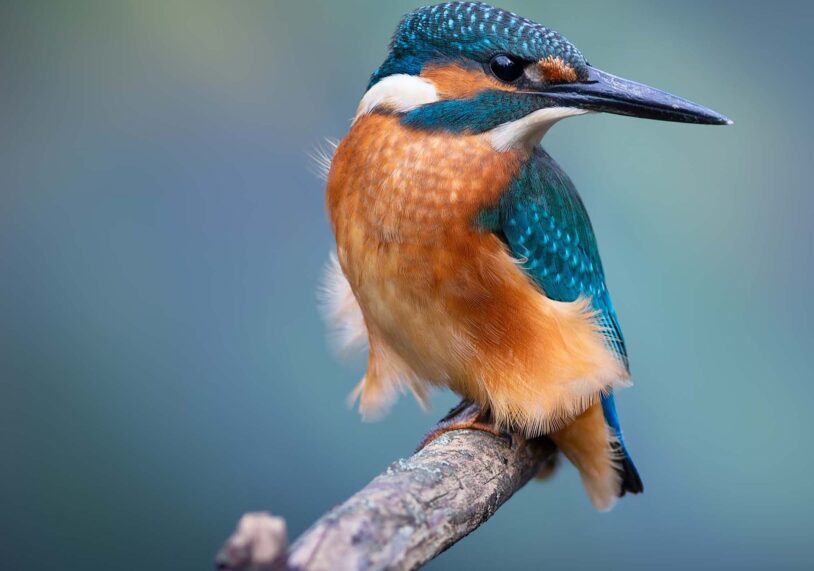
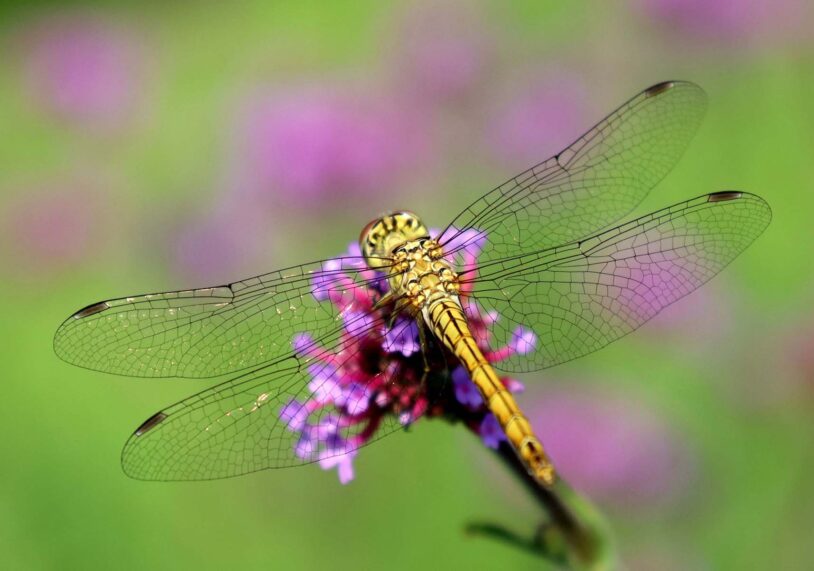
August ranks among the finest months to experience wetlands and waterways. Reed beds stay busy with hidden birdlife, while open water sparkles beneath broad skies and warm afternoon light. Dragonflies are especially impressive at this time of year — southern hawkers, emperor dragonflies and common darters patrol ponds, canals and slow-moving rivers with astonishing speed and precision. Along quieter stretches of river, kingfishers continue their low, electric flights over the surface, while grey herons stand motionless in the shallows. Along quieter stretches of river, kingfishers continue their low, electric flights over the surface of the water.
FAQ
Q: What wildlife can you see in Lincolnshire in August?
A: August brings kingfishers, dragonflies, goldfinches, roe deer and a wide range of hedgerow birds and insects, alongside ripening blackberries, sloes and elderberries.
Q: When do blackberries start ripening in the UK?
A: Blackberries typically begin ripening in hedgerows from early-to-mid August, continuing into autumn.
Q: What is the best time of day to see kingfishers?
A: Early morning and early evening tend to offer the best chances, when kingfishers are most active along quiet stretches of river, making their characteristic low, fast flights over the water.
Q: Where can I see dragonflies in Lincolnshire in August?
A: Ponds, canals and slow-moving rivers are all good locations, where species such as southern hawkers, emperor dragonflies and common darters are active through the month.