What Is LVMH? Inside the World’s Biggest Luxury Group
From a Louis Vuitton trunk to a bottle of Dom Pérignon, LVMH owns 75 of the world’s most desirable brands. Here’s how one French conglomerate built a luxury empire spanning wine, fashion, jewellery and hotels
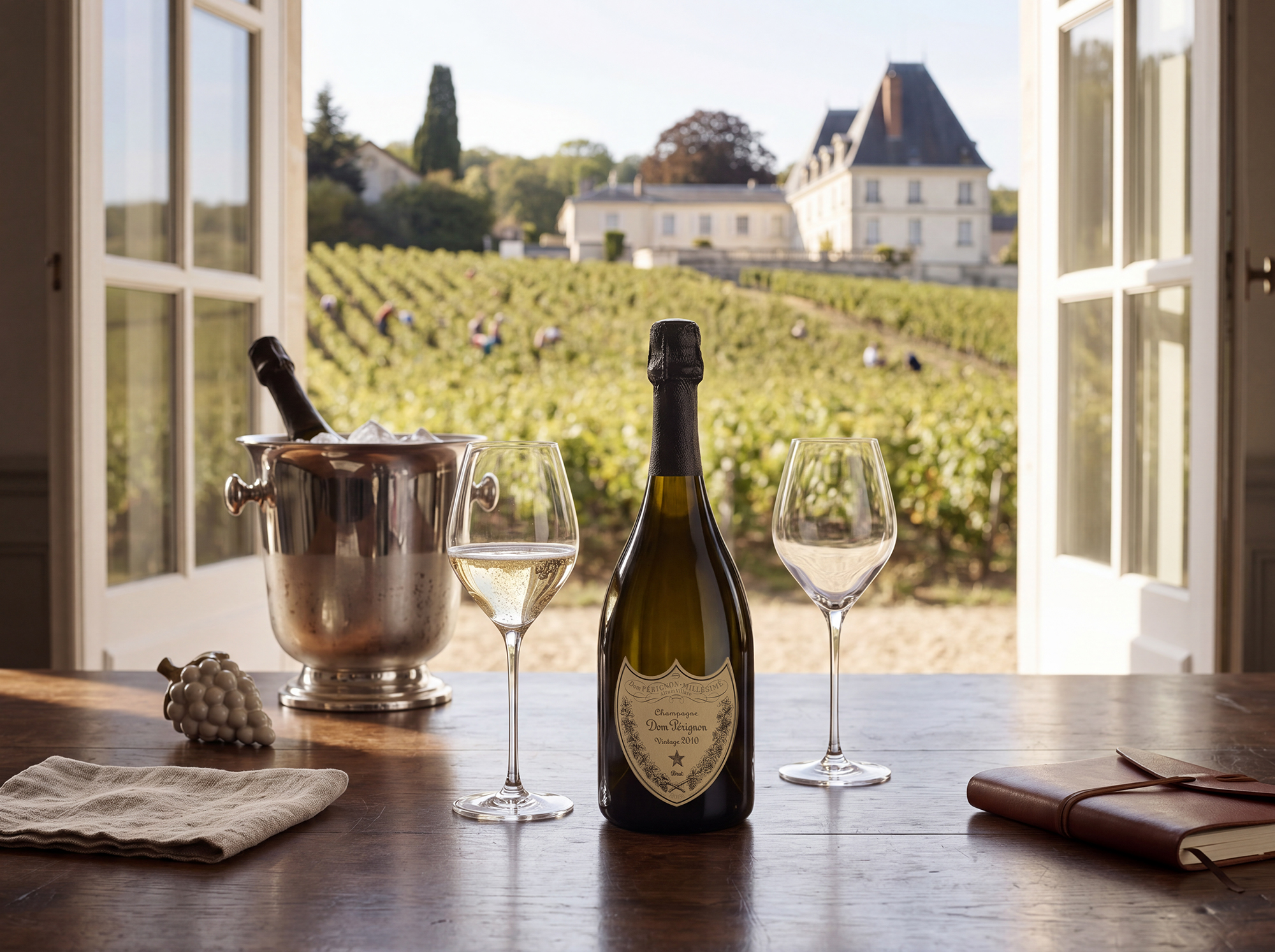
Next year marks 100 years since Champagne house Mercier gifted its brand name to newlyweds Francine Durant-Mercier and Paul Chandon as a wedding present. Ten years later, in 1936, the renamed Moët & Chandon launched the first vintage under a name most of us now associate with celebration rather than a 17th-century wedding gift: Dom Pérignon.
It’s a fitting origin story for LVMH — Louis Vuitton Moët Hennessy — the group that now owns Dom Pérignon, Moët & Chandon and dozens of other maisons spanning fashion, jewellery, perfume, hotels and media.
What Does LVMH Stand For, and Who Owns It?
LVMH stands for Louis Vuitton Moët Hennessy, formed in 1987 under the leadership of Chairman and CEO Bernard Arnault, who remains the group’s controlling shareholder today through his family holding company. Arnault recognised early that luxury cannot simply be manufactured — it has to be built, brand by brand, over decades. Under his leadership, LVMH briefly became Europe’s first company to exceed a market valuation of €500 billion, and at its peak was regarded as the most valuable company in the world outside the technology sector.
Today the group is vast: revenues of €80.8 billion, net profits of €10.9 billion, 211,000 employees and 6,283 stores across 81 countries.
Why We Buy Luxury: Emotion Over Expense
It’s tempting to assume people buy a Louis Vuitton handbag, a bottle of Dom Pérignon or a Tiffany diamond simply because they’re expensive. In reality, the world’s most successful luxury brands trade on something far more valuable than price: emotion. A luxury brand offers a sense of belonging, aspiration and permanence — the Tiffany blue box on a restaurant table, the cork eased from a bottle of Dom Pérignon at a wedding, or a Louis Vuitton holdall making its way through an airport terminal. These are experiences loaded with symbolism, not mere transactions.
LVMH’s greatest achievement, arguably, has been holding onto that emotional distinctiveness across its 75 maisons. Dom Pérignon still feels distinct from Krug. Tiffany remains unmistakably Tiffany, with its aqua-coloured boxes. Dior retains the elegance that made it famous nearly 80 years ago.
Wines and Spirits: The Oldest Brands in the Business
The oldest brand in LVMH’s portfolio isn’t Dom Pérignon at all — that name wasn’t established as a brand until the 20th century, even though it’s named after a 17th-century Abbey of Hautvilliers monk credited with influencing secondary fermentation. The true elder statesman is Le Clos des Lambrays, one of the 33 Grand Crus of Burgundy, established in 1365.
Château d’Yquem, the Bordeaux dessert wine producer, followed in 1593. Champagne houses arrived later still: Ruinart (1729, the oldest continuous producer), Moët & Chandon (1765), Veuve Clicquot (1772) and Krug (1843). On the spirits side, Cognac producer Hennessy dates to 1765, and Glenmorangie to 1843.
Between them, LVMH’s Champagne houses produce 66.5 million bottles a year — about 22% of the world’s total Champagne consumption. Its cognac brands account for 40–50% of the global cognac market, with Hennessy alone responsible for 100 million bottles annually.
Fashion and Leather Goods: From Waterproof Trunks to the LV Monogram
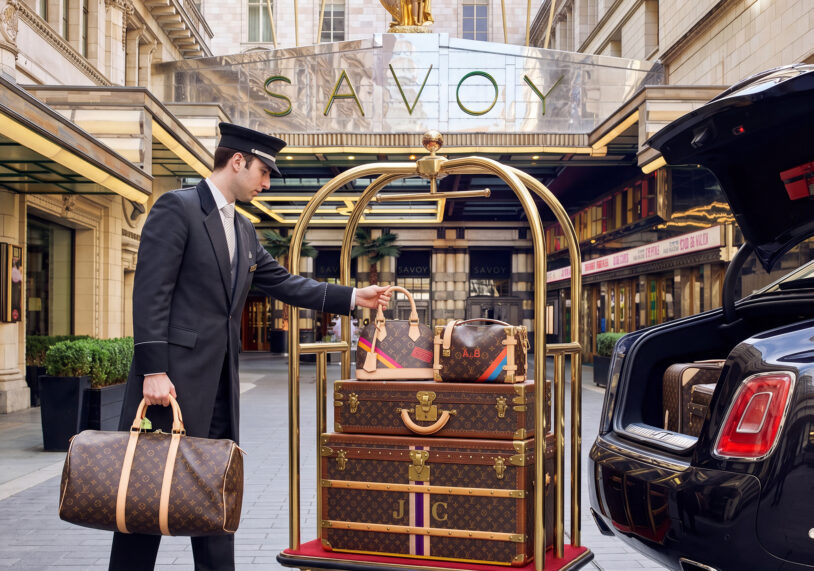
Louis Vuitton itself was founded in 1854, originally to produce luggage trunks that could be stacked for easier transport — a practical response to the rounded-top trunks then used by wealthy travellers, which were notoriously difficult to stack. Apprentice trunk-maker Vuitton set up alone to pioneer waterproof Trianon canvas luggage. It was his son, Georges, who later created the now-famous LV monogram and expanded the brand into London, New York, Philadelphia, Nice and Lille, eventually opening the flagship store on the Avenue des Champs-Élysées that still stands today.
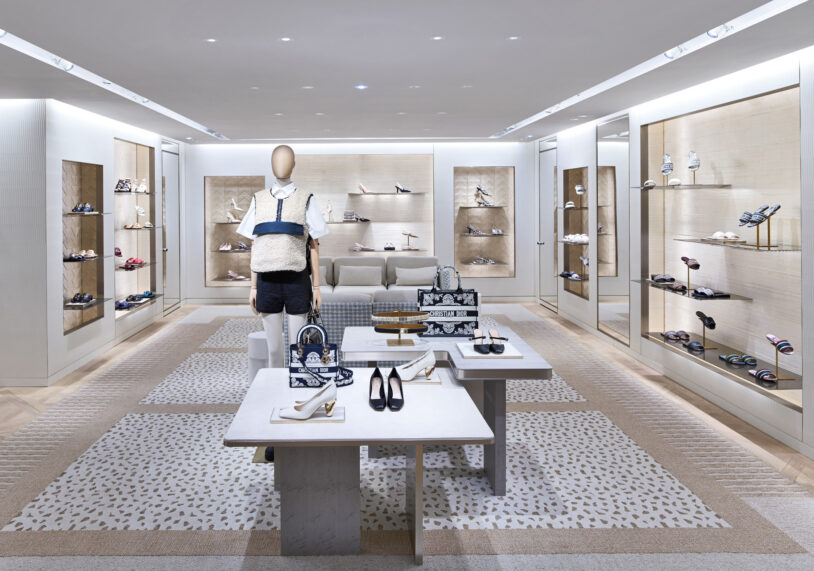
Other leather goods brands under the LVMH umbrella include Loewe (1846), Rimowa (1898) and Fendi (1925), alongside fashion halo brands Christian Dior (founded 1947, joined LVMH 2017), Givenchy (founded 1952, joined 1988) and Marc Jacobs (founded 1984, joined 1997, when its founder became Artistic Director of Louis Vuitton).
Fashion and leather goods remain LVMH’s most lucrative division, contributing around 47% of group revenue.
Louis Vuitton was founded in 1854, originally to produce luggage trunks for the luxury voyages of well-heeled travellers.
Perfume, Jewellery and the Newest Additions
Givenchy, founded in 1952 by Count Hubert de Givenchy, introduced perfume to LVMH’s stable and was made famous by Audrey Hepburn — first in Sabrina (1954), then in the film adaptation of Truman Capote’s Breakfast at Tiffany’s (1961), a film that also put LVMH jewellery house Tiffany & Co. on the map.
Other perfume houses include Guerlain (1828) and Parfums Christian Dior (1947), while more recent arrivals include Sephora (established 1970), Benefit Cosmetics (1976) and Fenty Beauty by Rihanna, which joined in 2017. On the jewellery and watchmaking side, Tiffany sits alongside Hublot, Tag Heuer, Bulgari and Chaumet, the latter known for tiaras for the exceptionally wealthy.
Watches and jewellery contribute 13% of group revenue, perfumes and cosmetics 11%, and wines and spirits 7%.
Beyond Fashion: Hotels, Newspapers and Machu Picchu at Dawn
LVMH’s reach extends well past the products most people associate with the group. In 2019 it acquired Belmond, the travel experiences company behind journeys such as the London to Venice Simplon-Orient-Express and early access to Machu Picchu. Through its media arm, LVMH also owns radio station Radio Classique and French newspapers including Les Echos, Le Parisien, L’Agefi and Investir-Le Journal des Finances.
FAQ
Q: What does LVMH stand for?
A: LVMH stands for Louis Vuitton Moët Hennessy, the world’s largest luxury goods group, formed in 1987.
Q: How many brands does LVMH own?
A: LVMH’s portfolio spans 75 maisons (brands) across wines and spirits, fashion and leather goods, perfumes and cosmetics, watches and jewellery, retail and hospitality.
Q: Who is the CEO of LVMH?
A: Bernard Arnault has led LVMH since its formation in 1987 and remains its controlling shareholder through his family holding company.
Q: Which brands does LVMH own?
A: Among many others, LVMH owns Louis Vuitton, Dior, Givenchy, Fendi, Tiffany & Co., Bulgari, Moët & Chandon, Dom Pérignon, Hennessy, Sephora and Belmond.