Lincolnshire Wildlife in September: What to Look For
September brings berries, butterflies, gathering swallows and excellent chances to see hares and barn owls across Lincolnshire’s quieter landscapes
September changes the Lincolnshire countryside gradually. Warm afternoons can still feel like summer, but softer light, ripening hedgerows and gathering birds reveal the turn towards autumn. It is an excellent month for wildlife watching because many species are feeding actively while vegetation begins to open up.
Choose a familiar footpath and walk slowly. Repeated visits often reveal more than a hurried trip to a famous site, because you begin to recognise where birds perch, where hares cross and which sheltered flowers attract late butterflies.
Hedgerows and late flowers
Hawthorn berries, elderberries, rosehips and blackberries turn hedgerows into valuable feeding corridors. Knapweed, scabious and late clovers can still support red admirals, commas, peacocks and small tortoiseshells on calm, sunny days.
Look without stripping the habitat. Leave berries for wildlife, avoid trampling field margins and resist the temptation to tidy every garden seed head. A patch of late nectar and a little cover can be disproportionately useful as nights become cooler.
Hares, barn owls and farmland edges
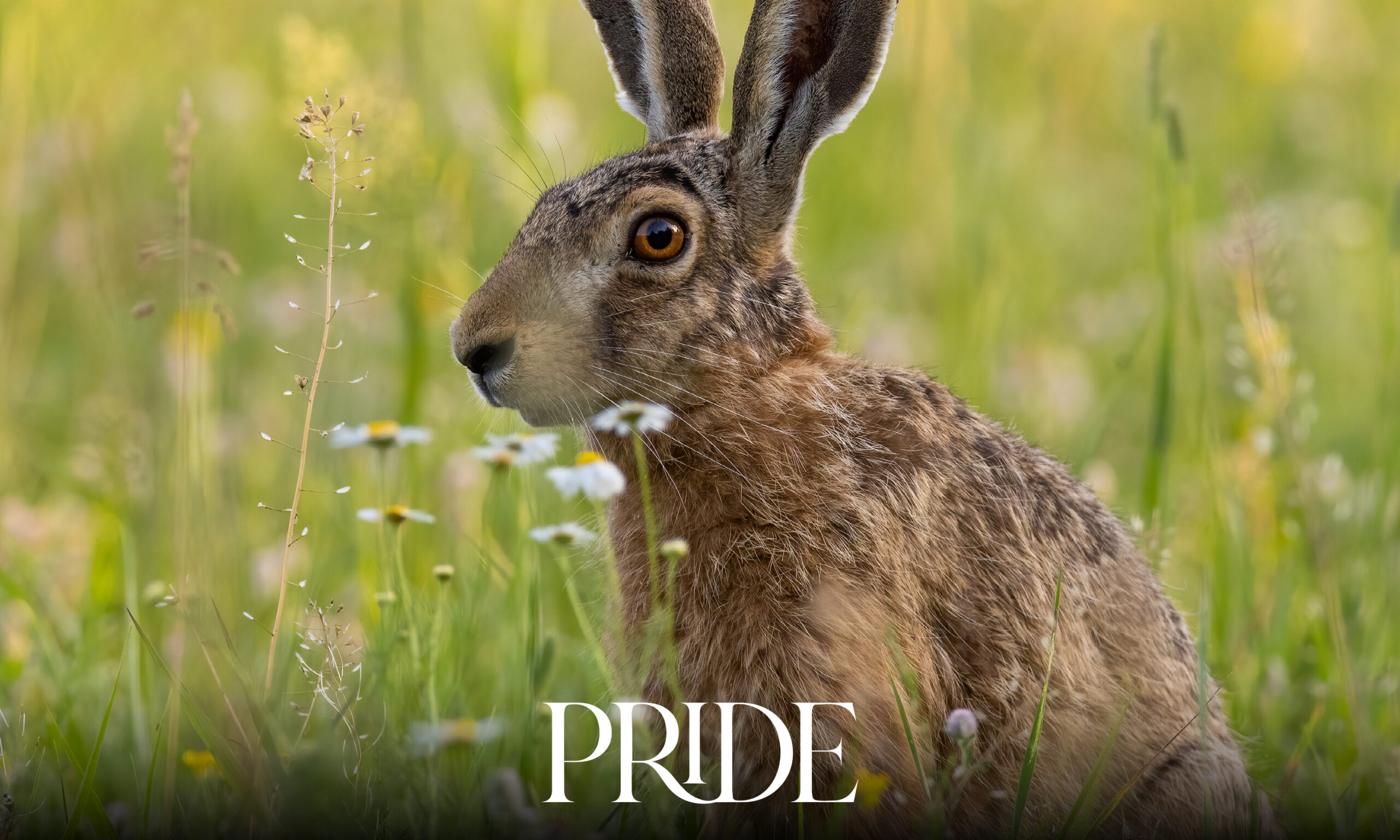
After harvest, brown hares may become easier to see across open fields. Watch from a public right of way with binoculars and give animals plenty of space. Hares rely on speed and concealment; approaching closely for a photograph only causes unnecessary stress.
Lincolnshire is also strongly associated with barn owls. At dusk, look across rough grassland, drainage banks and field edges for a pale bird hunting low and silently. Never enter private land or block gateways, and avoid revealing precise nest locations online.
Rivers, drains and departing birds
Along rivers and drains, a sudden electric-blue flash may reveal a kingfisher. The best approach is patience: stay still, scan low branches and listen for movement rather than walking continually. Swallows and house martins gather before migrating south, sometimes lining wires or feeding together above fields and water.Carry binoculars, keep dogs under close control around livestock and ground-nesting habitat, and take all litter home. September’s wildlife spectacle is quiet by nature. The reward comes from allowing the landscape to settle around you until its movement becomes visible.