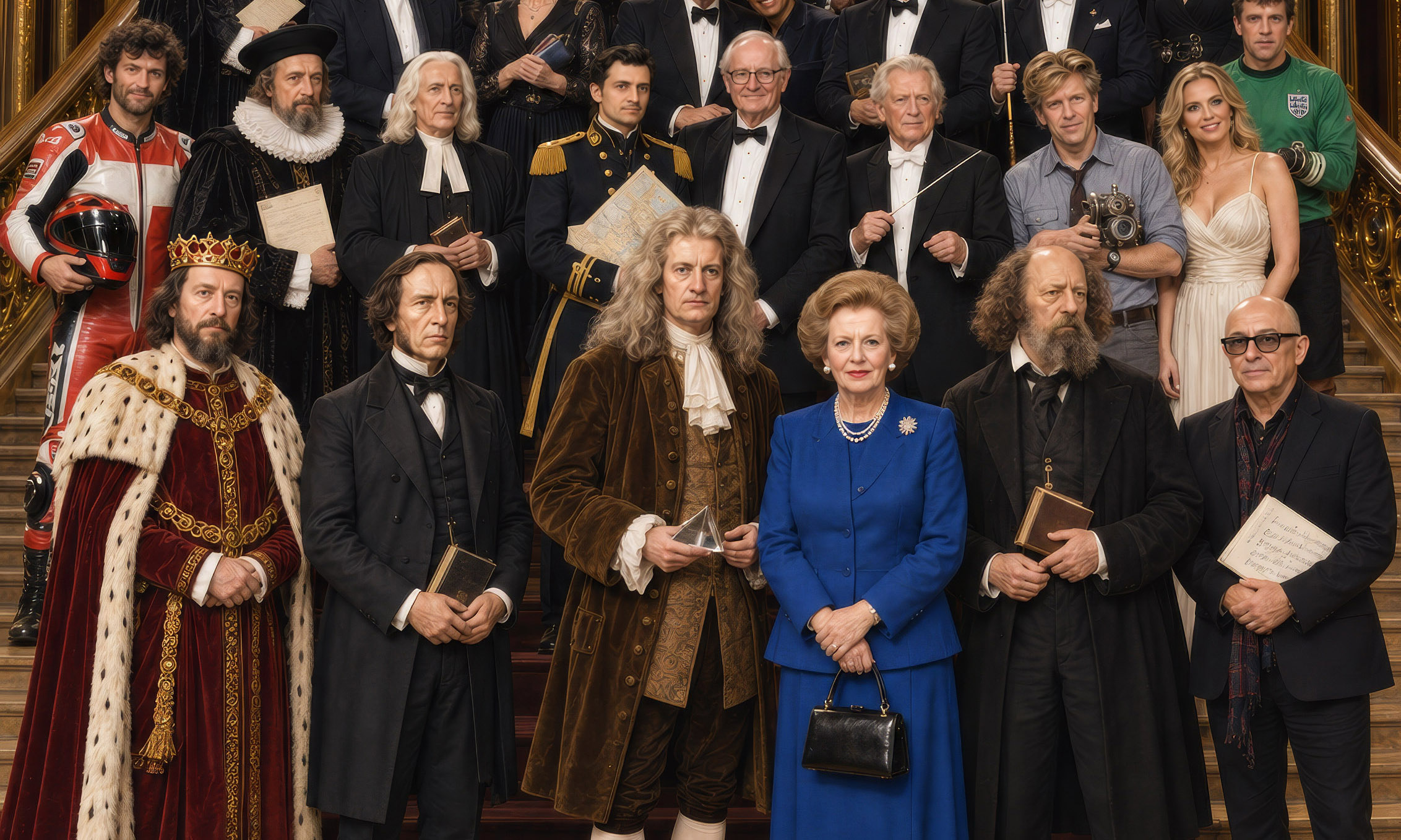
50 Greatest Lincolnshire Legends: Famous People Born in Lincolnshire
Who are the greatest and most famous people born in Lincolnshire? The county has produced a remarkable collection of scientists, politicians, writers, explorers, actors, musicians, sporting champions and reformers whose influence has travelled far beyond its borders.
This definitive countdown celebrates 50 Lincolnshire legends, from figures who transformed their professions to the rare individuals who changed Britain—or the world. Every person on the list was born in the historic county of Lincolnshire. Rankings are based on achievement, influence, fame, longevity and legacy.
Comparing a scientist with a sportsman, a poet with a Prime Minister or an explorer with an entertainer is inevitably subjective. That is part of the fun. A good list should inform, surprise and provoke an argument.
So, beginning at number 50 and counting down to the person we believe deserves to be called Lincolnshire’s greatest legend, here is the complete ranking.
Numbers 50–41: Artists, Writers, Pioneers and Sporting Greats
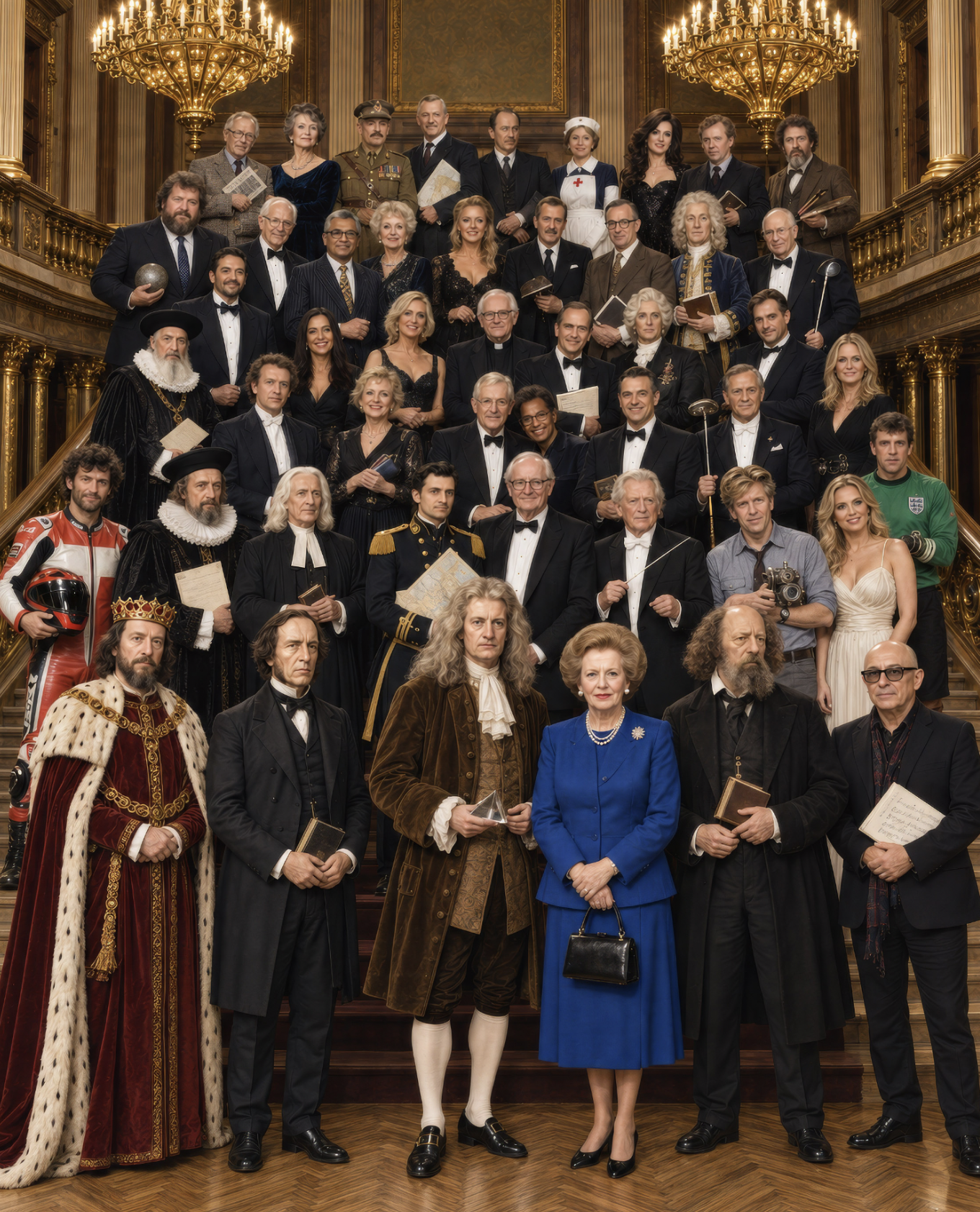
50. Frank Bramley
Art | 1857–1915 | Born: Sibsey
The Lincolnshire artist whose masterpiece belongs to the nation
Frank Bramley was born at Sibsey, near Boston, in 1857. After studying at Lincoln School of Art, he continued his training at Antwerp’s Royal Academy of Fine Arts, spent time in Venice and settled in Newlyn, Cornwall.
Bramley became a leading figure in the Newlyn School, whose artists brought new realism to paintings of fishing communities, domestic life and ordinary working people. He was particularly admired for atmospheric interiors and his handling of natural and artificial light.
His masterpiece, A Hopeless Dawn, shows two women learning that a fisherman has been lost at sea. Exhibited at the Royal Academy in 1888, it was purchased for the nation through the Chantrey Bequest and is now part of Tate’s collection. Bramley became a full Royal Academician in 1911.
One of the great paintings of Victorian Britain began with an artist who learned his craft in Lincoln and was born in a small Lincolnshire village.
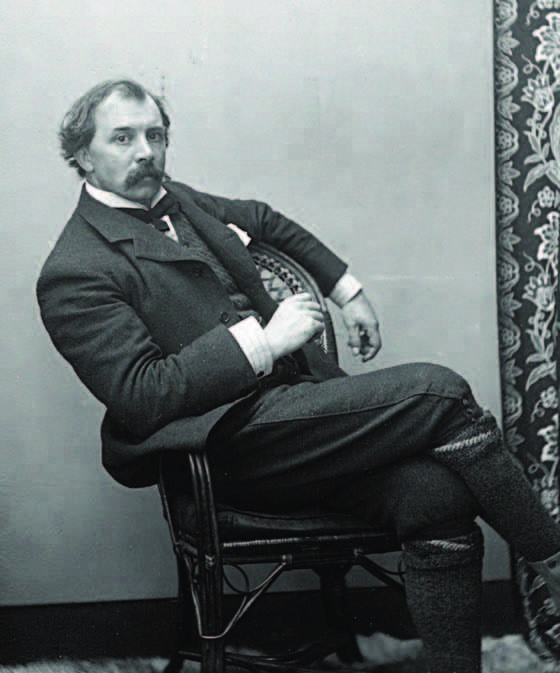
49. Vernon Scannell
Literature | 1922–2007 | Born: Spilsby
The boxer, deserter and poet who wrote about war’s human cost
Born John Vernon Bain in Spilsby in 1922, Vernon Scannell became a poet, novelist, critic, broadcaster and professional boxer. His wartime experiences gave his finest writing its distinctive edge.
Scannell served in North Africa and Normandy during the Second World War and deserted from the Army twice. Violence, fear and the psychological damage of combat remained recurring themes throughout his work. Walking Wounded, one of his best-known poems, captures the damage carried by soldiers whose injuries cannot always be seen.
He published more than 30 poetry collections alongside novels, memoirs and children’s books. His direct, conversational style explored war, relationships and human frailty without romanticising them. Elected a Fellow of the Royal Society of Literature in 1960, he continued writing into his eighties.
Literature and boxing make an unusual combination. Add two desertions and an acclaimed body of war poetry, and Scannell becomes one of the most remarkable people born in Lincolnshire.
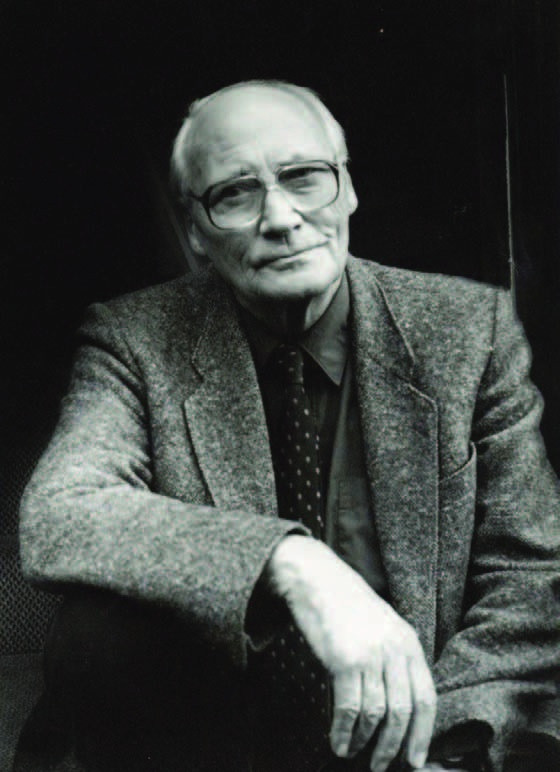
Vernon Scannell, Poet, novelist and former professional boxer.
48. Anne Pashley
Sport and Music | 1935–2016 | Born: Skegness
The Olympic medallist who became an opera singer
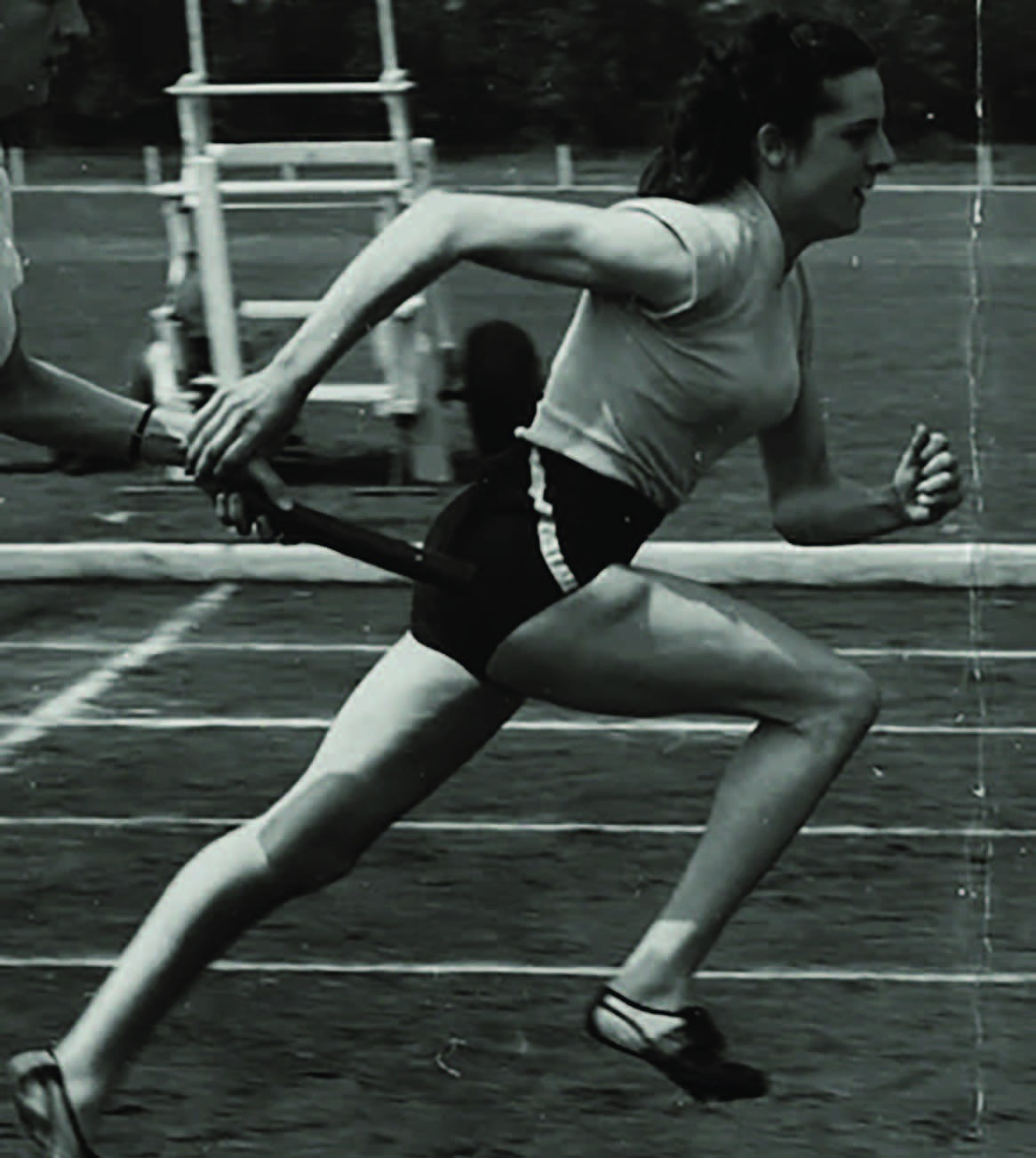
Anne Pashley achieved enough for two distinguished careers. Born at a family-run holiday camp in Skegness in 1935, she became one of Britain’s finest young sprinters, placing third at the national championships shortly after her 16th birthday.
Pashley became British 100-yards champion and represented England and Great Britain. She won Commonwealth relay silver and European individual bronze in 1954. At the 1956 Melbourne Olympic Games, she helped Britain secure silver in the women’s 4 x 100 metres relay.
Then she changed direction completely. After leaving elite athletics, Pashley trained as a soprano and built a professional opera career, performing with major companies and on leading British stages.
Plenty of Olympians have succeeded in a second profession. Almost none have stepped from the running track into professional opera. Either half of Pashley’s life would have been impressive; together they make the journey from Skegness to Olympic podium and opera house extraordinary.
47. Dame Sarah Swift
Medicine and Nursing | 1854–1937 | Born: Kirton Skeldyke
Lincolnshire’s “Mighty Atom” who helped professionalise nursing
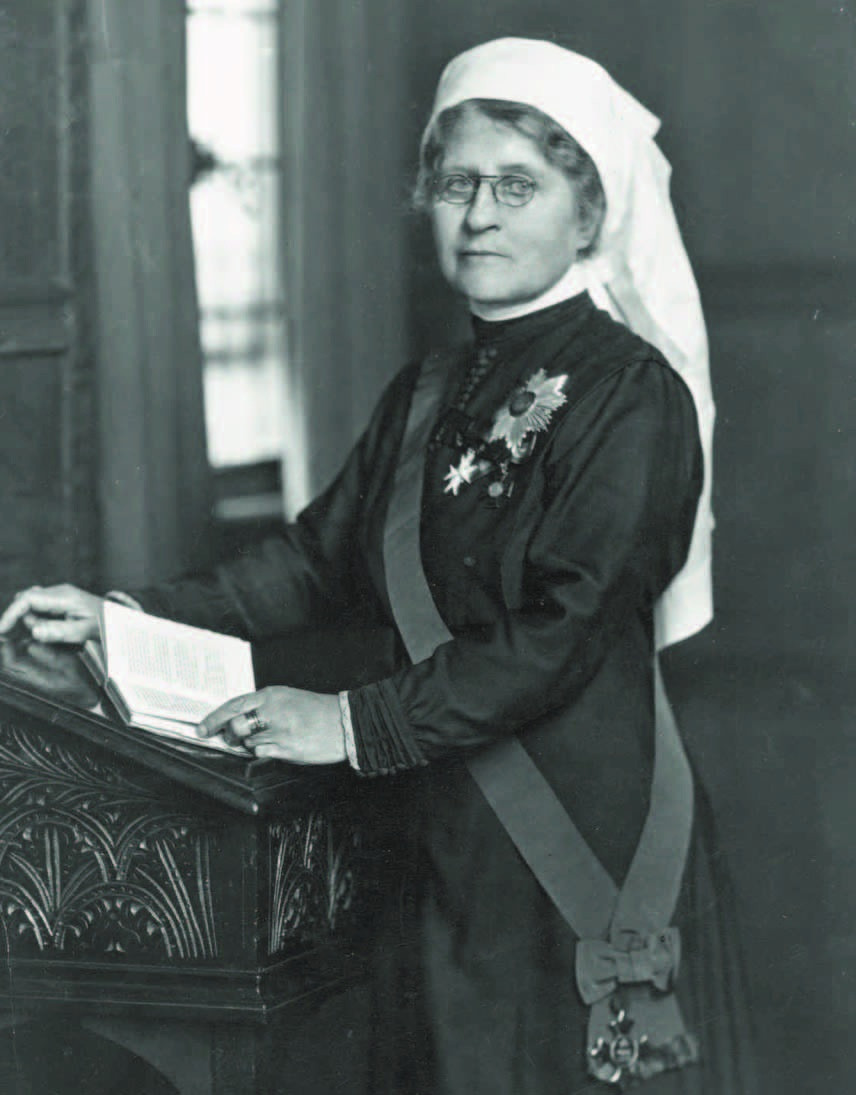
Sarah Swift stood only 4ft 11in tall, but colleagues called her “the Mighty Atom.” Born near Kirton in 1854, the tenant farmer’s daughter trained as a nurse and rose to become Matron of Guy’s Hospital in London.
During the First World War, Swift served as Matron-in-Chief of the British Red Cross and Order of St John nursing division, helping to organise care on an enormous scale. Her most enduring achievement came in 1916, when she helped found the College of Nursing, later the Royal College of Nursing.
The new organisation aimed to improve education, standards and professional recognition when nursing lacked much of its modern structure. Its registers also helped prepare the way for formal nurse registration in Britain. Swift was made a Dame in 1919 for her wartime service.
More than a century later, the organisation she helped create represents hundreds of thousands of nursing and healthcare professionals. One of Britain’s most important professional bodies owes its existence partly to a farmer’s daughter from Lincolnshire.
46. Frank Pick
Design and Transport | 1878–1941 | Born: Spalding
The Spalding-born visionary who helped give London its look
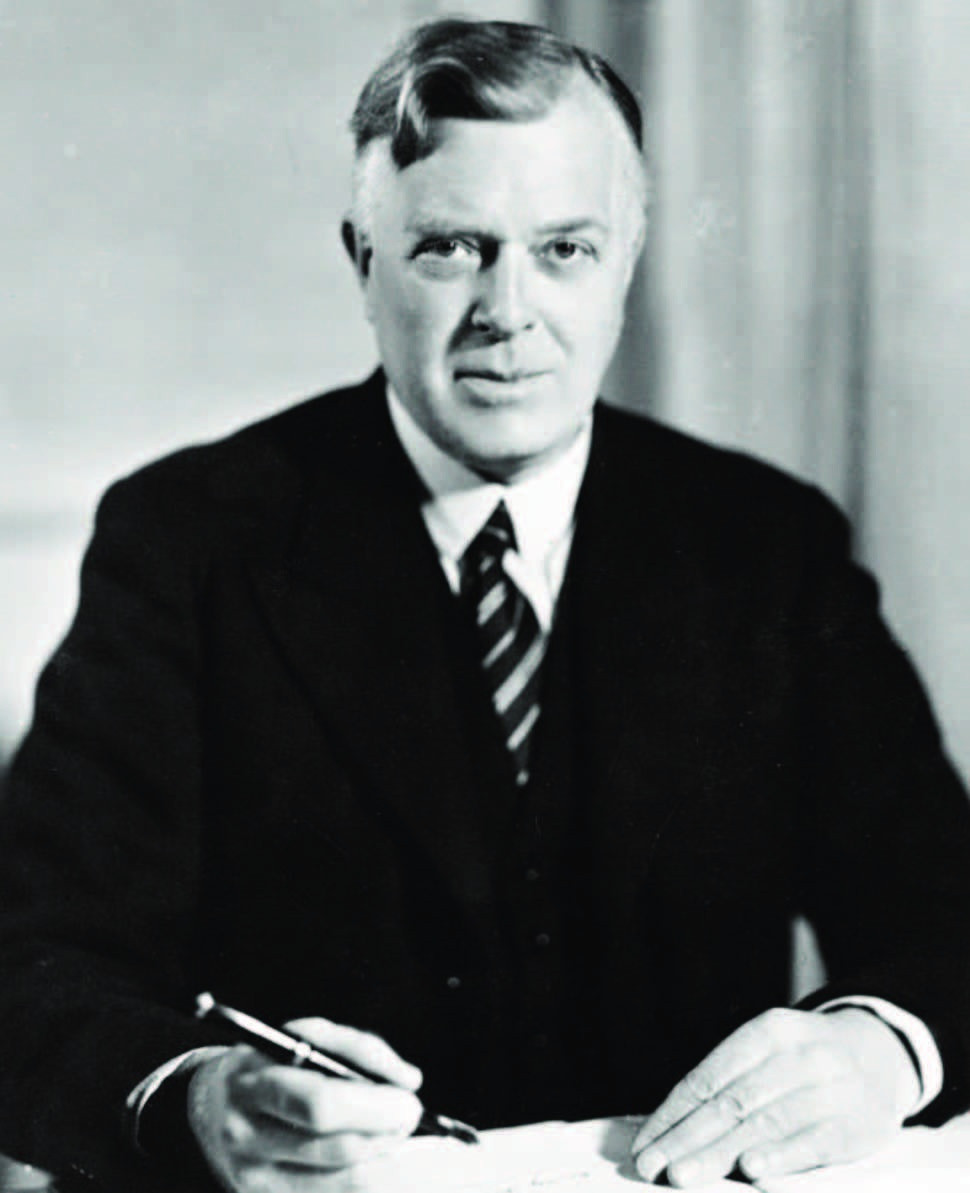
Millions encounter Frank Pick’s legacy every day without knowing his name. Born in Spalding in 1878, Pick trained in law before becoming one of the most influential figures behind London’s Underground and the London Passenger Transport Board.
Pick believed public transport should be functional, attractive and instantly recognisable. Under his direction, the Underground commissioned exceptional architects, artists and designers. Its roundel, typography, posters and station architecture became parts of a coherent identity admired around the world.
His insight sounds obvious today but was revolutionary: good design could make everyday life better. Pick commissioned some of the finest commercial art of the inter-war period and helped create a visual language that still feels unmistakably London.
He also promoted industrial design nationally and served as president of the Design and Industries Association. Next time you see the Underground roundel, remember that one of the men who established London’s modern visual identity was the son of a Spalding draper.
45. Sir Halford Mackinder
Geography and Politics | 1861–1947 | Born: Gainsborough
The geographer whose ideas changed how nations view the world
Born in Gainsborough in 1861, Halford Mackinder became a founding figure of geopolitics: the study of how geography influences international power and strategy.
Mackinder helped establish geography as a serious university discipline in Britain, directed the London School of Economics from 1903 to 1908 and served as an MP. His enduring reputation, however, rests on a powerful idea.
In his 1904 paper The Geographical Pivot of History, Mackinder argued that control of the vast central landmass of Eurasia—later called the “Heartland”—could be crucial to global power. The theory influenced generations of strategists, academics and policymakers.
More than a century later, Mackinder’s work remains part of debates about Europe, Russia and Asia. He did not redraw the map; he changed how political leaders interpreted it. Ideas developed by a Gainsborough doctor’s son travelled into universities, governments and military establishments around the world.
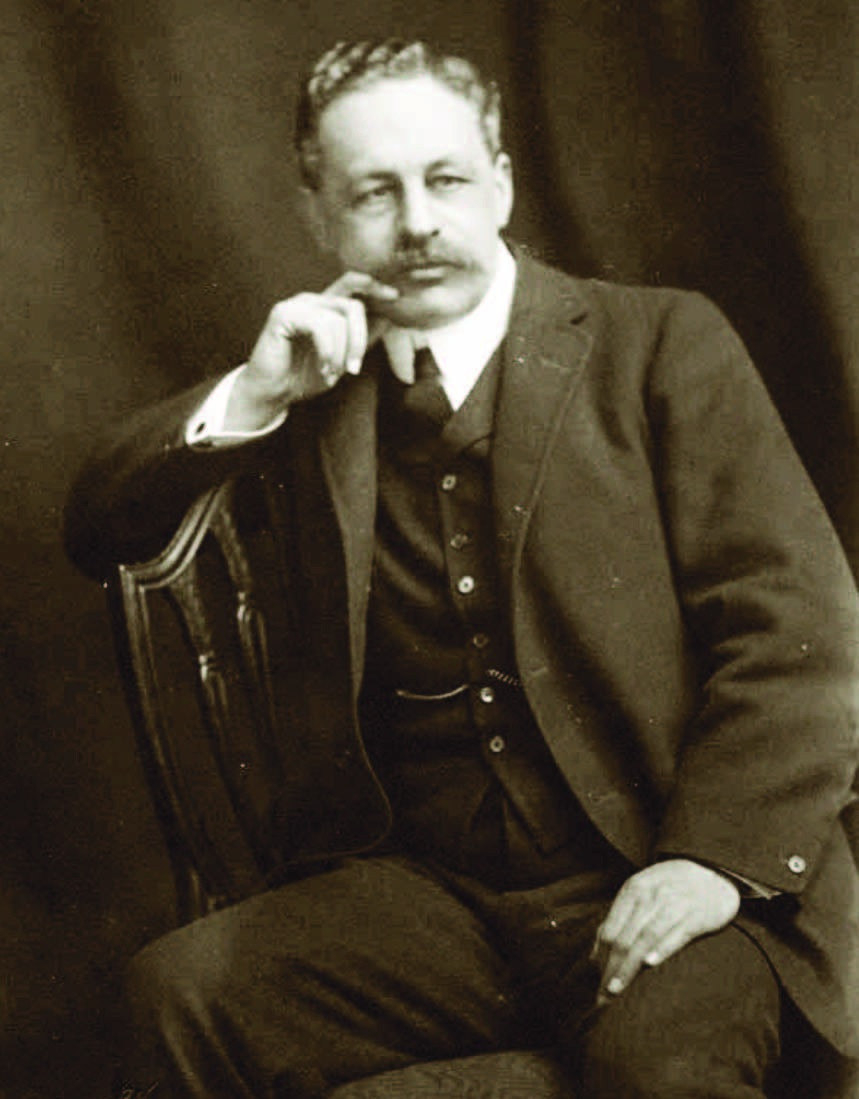
44. Field Marshal Sir William Robertson
Military | 1860–1933 | Born: Welbourn
The private soldier who rose to the top of the British Army
William Robertson’s ascent remains unique in British military history. Born at Welbourn in 1860, the son of the village tailor and postmaster, he left school at 13 and worked in domestic service.
In 1877, aged 17, Robertson enlisted as a private soldier. He climbed steadily through the ranks, earned a commission, passed the demanding Staff College entrance examination and entered the highest levels of command. During the First World War, he became Chief of the Imperial General Staff, the government’s principal professional military adviser, before promotion to Field Marshal.
Robertson was the first British soldier to rise from private to field marshal. His support for concentrating forces on the Western Front and for Douglas Haig’s strategy brought him into conflict with Prime Minister David Lloyd George, and historians still debate his wartime judgement.
Whatever the verdict on strategy, the personal achievement is astonishing: a village boy from Lincolnshire overcame the Army’s class barriers and completed the ultimate journey from the lowest rank to the highest.
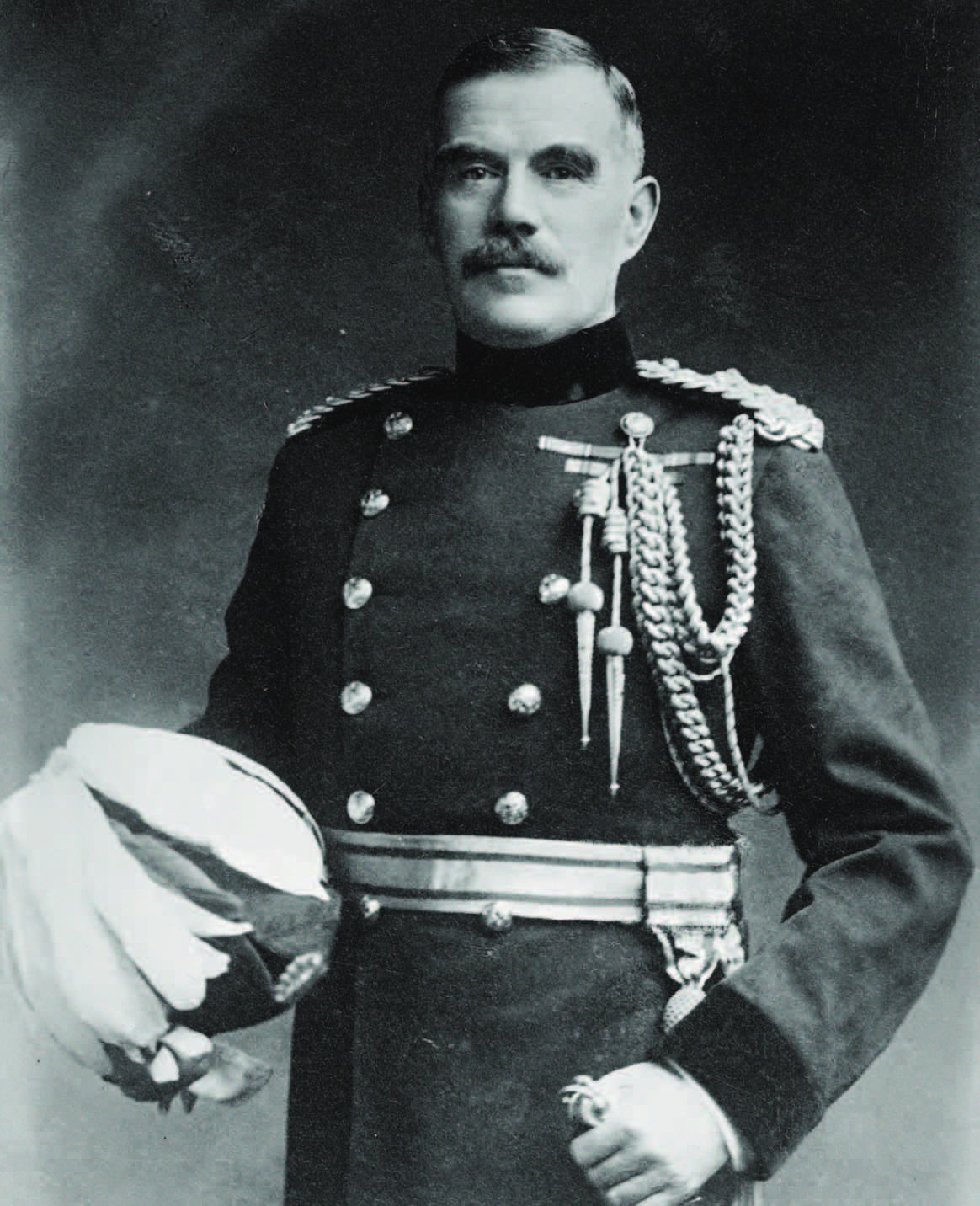
43. Dame Sybil Thorndike
Stage and Screen | 1882–1976 | Born: Gainsborough
One of the great dames of the British stage
Before Judi Dench or Maggie Smith became theatrical national treasures, there was Sybil Thorndike. Born in Gainsborough in 1882, she trained as a classical pianist, but recurring problems with her hands made a professional music career impossible.
British theatre gained instead. Thorndike acted professionally for more than six decades, performing Shakespeare, Greek tragedy, modern drama, film and television. She became especially associated with George Bernard Shaw’s Saint Joan. Shaw reportedly created the role with her in mind, and the performance established Thorndike as one of the commanding actresses of the 20th century.
Her films included Major Barbara, The Prince and the Showgirl and Shake Hands with the Devil. Made a Dame for her contribution to drama, she continued acting into old age. A memorial service followed her death at Westminster Abbey.
Thorndike was born during Queen Victoria’s reign and remained professionally active into the age of colour television—an extraordinary career that began in Gainsborough.
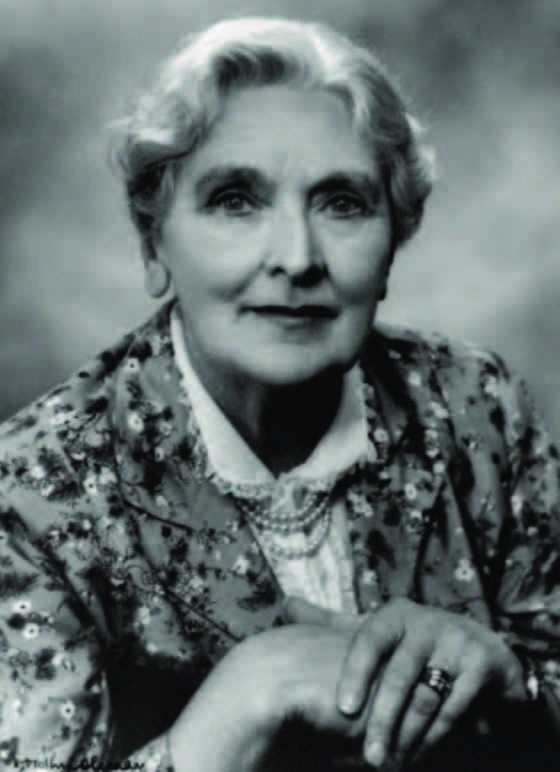
42. Colin Dexter
Literature and Television | 1930–2017 | Born: Stamford
The Stamford schoolboy who created Inspector Morse
For millions of readers and viewers, Oxford will always belong partly to Inspector Morse: the irritable, intellectual detective who loved beer, classical music, crosswords and his Jaguar.
His creator, Norman Colin Dexter, was born in Stamford in 1930. The son of a taxi driver, he won a scholarship to Stamford School and studied Classics at Cambridge. Dexter became a teacher, but hereditary deafness forced him to change careers.
During a wet family holiday in North Wales, he began writing a detective story. Published in 1975 as Last Bus to Woodstock, it introduced Chief Inspector Morse. Twelve more novels followed, while John Thaw’s television portrayal turned the character into an international phenomenon.
The universe proved remarkably durable. Inspector Morse led to Lewis and Endeavour, keeping Dexter’s characters on television for more than three decades. He also made Hitchcock-style cameos in episodes.
One of British crime fiction’s most enduring detectives began in the imagination of a classics teacher from Stamford.
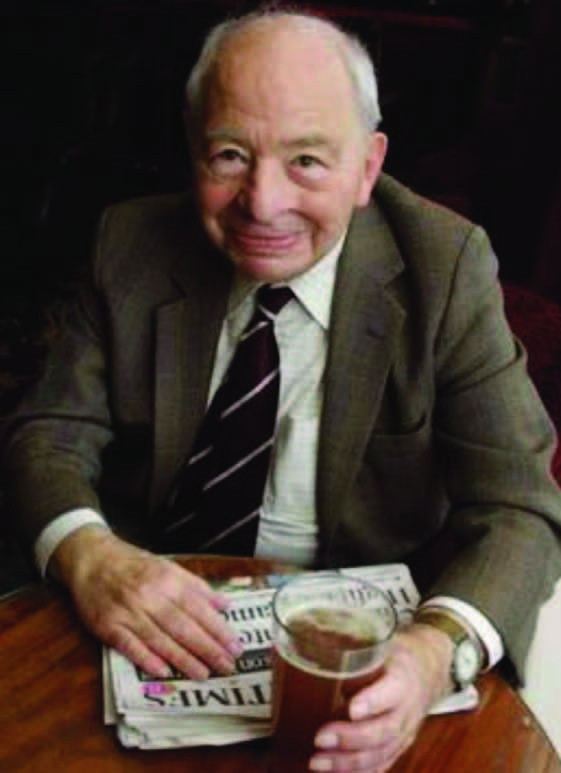
41. Ray Clemence
Football | 1948–2020 | Born: Skegness
The Skegness goalkeeper who became a Liverpool legend
Ray Clemence travelled from the Lincolnshire coast to three European Cup victories. Born in Skegness in 1948, he began at Scunthorpe United before Liverpool manager Bill Shankly signed the teenage goalkeeper for about £18,000 in 1967.
It became one of football’s great bargains. Clemence made 665 appearances for Liverpool and provided the calm last line of defence during one of the club’s most successful eras. He won five league championships, three European Cups, two UEFA Cups, the FA Cup and League Cup.
In Liverpool’s 1978–79 title-winning season, Clemence conceded only 16 goals in 42 league matches. He later joined Tottenham Hotspur, won further silverware and represented England 61 times, sharing his international era with rival goalkeeper Peter Shilton.
After retiring, Clemence remained in football as a coach, including many years with England. For Liverpool supporters, he remains one of Europe’s finest goalkeepers—and one of the greatest sportsmen born in Lincolnshire.
Numbers 40–31: Entertainers, Athletes and Modern Lincolnshire Icons
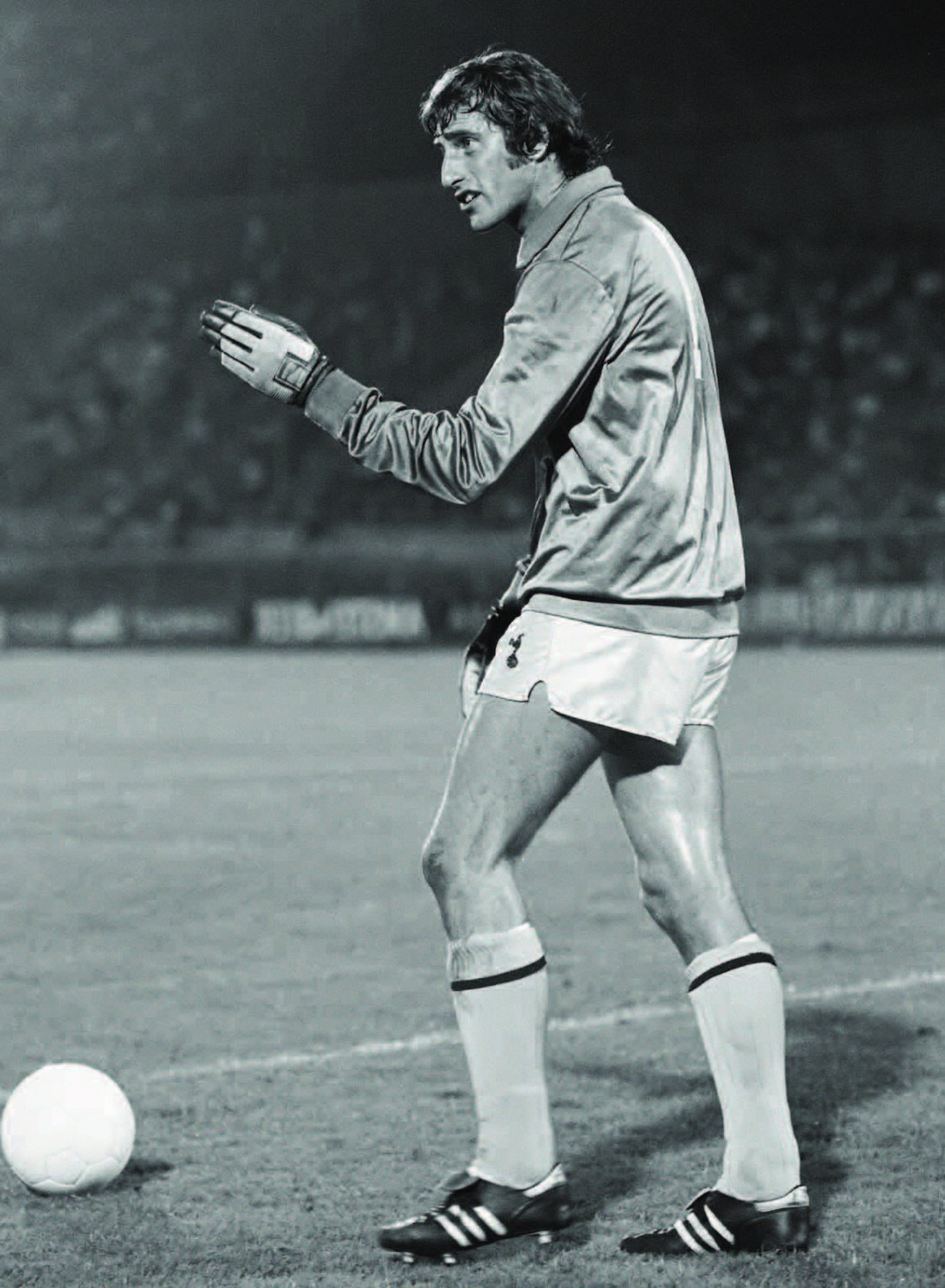
40. Ronni Ancona
Comedy and Television | Born 1968 | Born: Louth
The Lincolnshire-born impressionist who could become almost anybody
Ronni Ancona’s time in Lincolnshire was brief: born in Louth in 1968, she moved to Scotland with her family when she was only days old. Nevertheless, her birth makes one of Britain’s most accomplished impressionists a genuine Lincolnshire legend.
Ancona became a household name alongside Alistair McGowan in BBC One’s The Big Impression. She did more than reproduce voices, capturing the posture, expressions and tiny mannerisms that made celebrities instantly recognisable. Her subjects ranged from Victoria Beckham and Nigella Lawson to Audrey Hepburn.
The programme became one of the BBC’s leading comedies and won a BAFTA in 2003. Ancona subsequently developed a varied career as an actor, writer and comedian, appearing in productions including Last Tango in Halifax, The Trip to Italy and Skins.
There is an appealing irony here: a performer famous for convincingly becoming people from everywhere else was actually born in Louth.
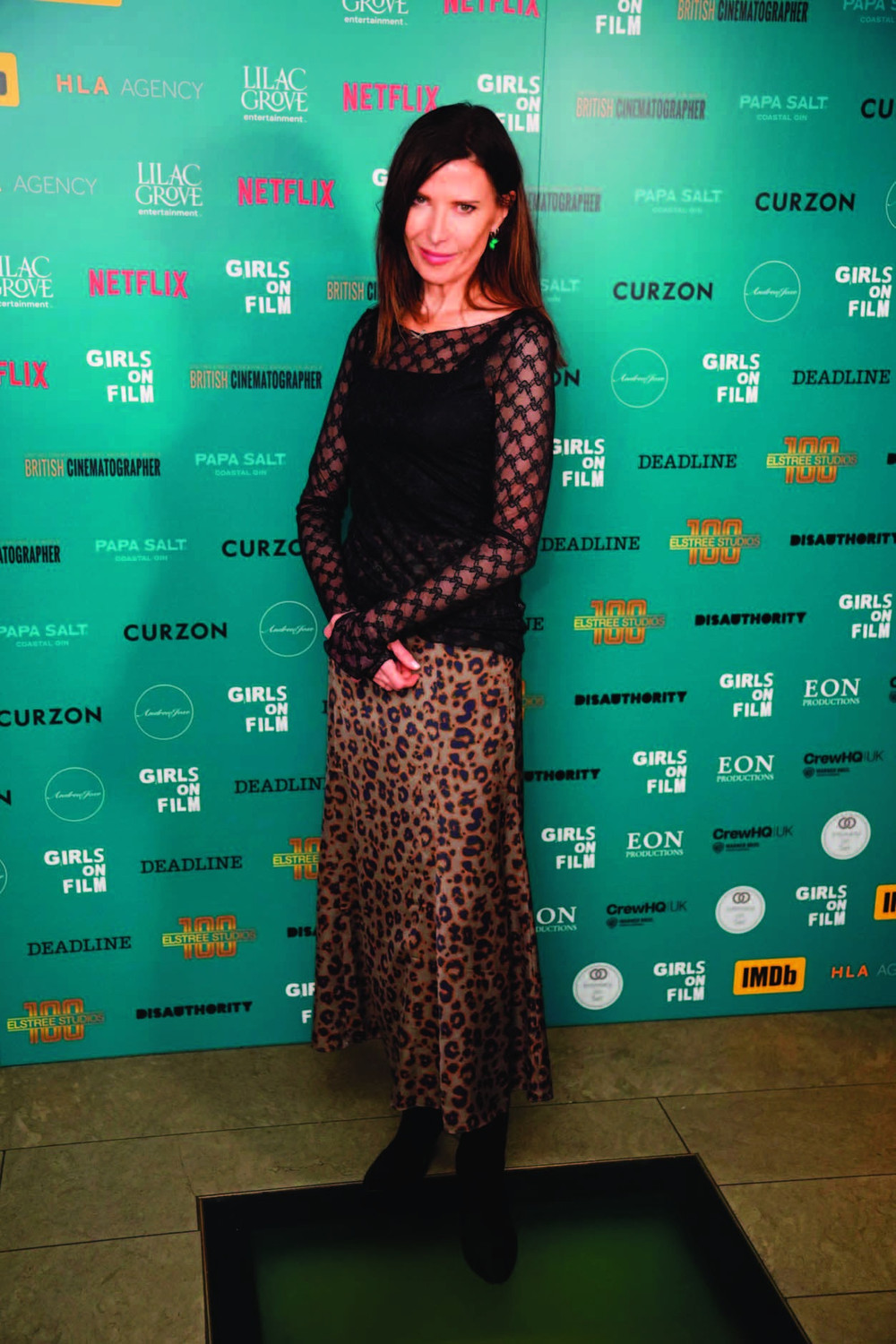
39. Robert Webb
Comedy, Television and Writing | Born 1972 | Born: Boston
The Boston-born star of one of Britain’s defining modern sitcoms
Robert Webb was born in Boston in 1972 and grew up in Lincolnshire before studying English at Cambridge. At the university’s Footlights club he met David Mitchell, beginning a comedy partnership that would span television, radio, stage and books.
Webb’s defining role was Jeremy “Jez” Usborne in Channel 4’s Peep Show. Selfish, deluded and permanently confident despite the evidence, Jez formed a painfully funny partnership with Mitchell’s inhibited Mark Corrigan. The sitcom’s point-of-view cameras and brutally honest internal monologues made it one of the great British comedies of its generation.
The pair also created That Mitchell and Webb Look, while Webb appeared in programmes including Back and The Smoking Room. His memoir How Not to Be a Boy explored masculinity, grief and his Lincolnshire upbringing with striking honesty.
Cambridge brought Mitchell and Webb together, but the story began in Boston—birthplace of the actor behind one of 21st-century television’s most memorable comic characters.
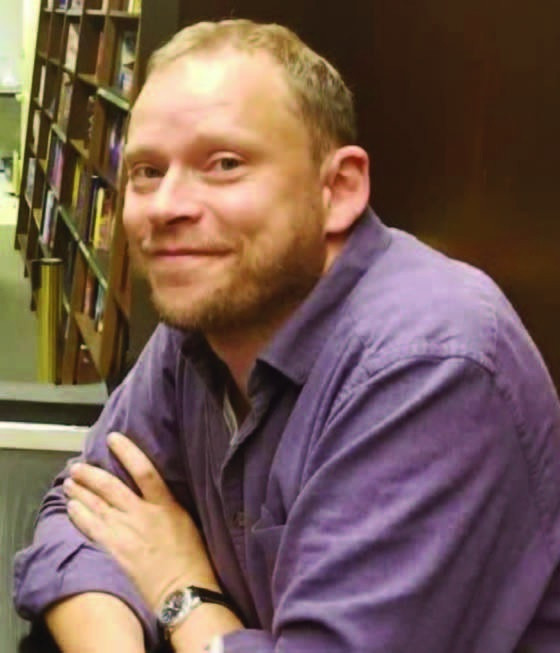
38. Elizabeth Jennings
Literature | 1926–2001 | Born: Boston
The only woman among the influential poets of “The Movement”
Elizabeth Jennings was born in Boston in 1926 and moved to Oxford aged six. She studied English at St Anne’s College and published her first poetry collection in 1953.
Three years later, Jennings appeared in Robert Conquest’s influential anthology New Lines. That placed her among the writers known as The Movement, alongside Philip Larkin, Kingsley Amis and Thom Gunn. Significantly, she was the group’s only woman.
Her clear, apparently simple poems explored faith, love, mental health, relationships and the search for emotional order. A committed Roman Catholic, she wrote about religious experience without becoming inaccessible or preachy.
Her collection A Way of Looking won the Somerset Maugham Award. Later honours included the WH Smith Literary Award and a CBE, and she ultimately published more than 20 poetry books.
Jennings’ work reached publications including The Times Literary Supplement and The New Yorker, carrying the voice of a Boston-born poet to an international readership.
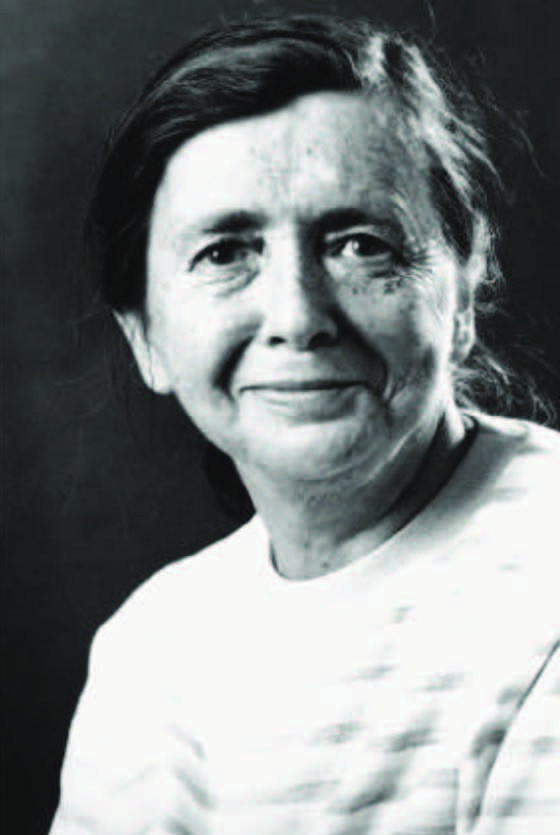
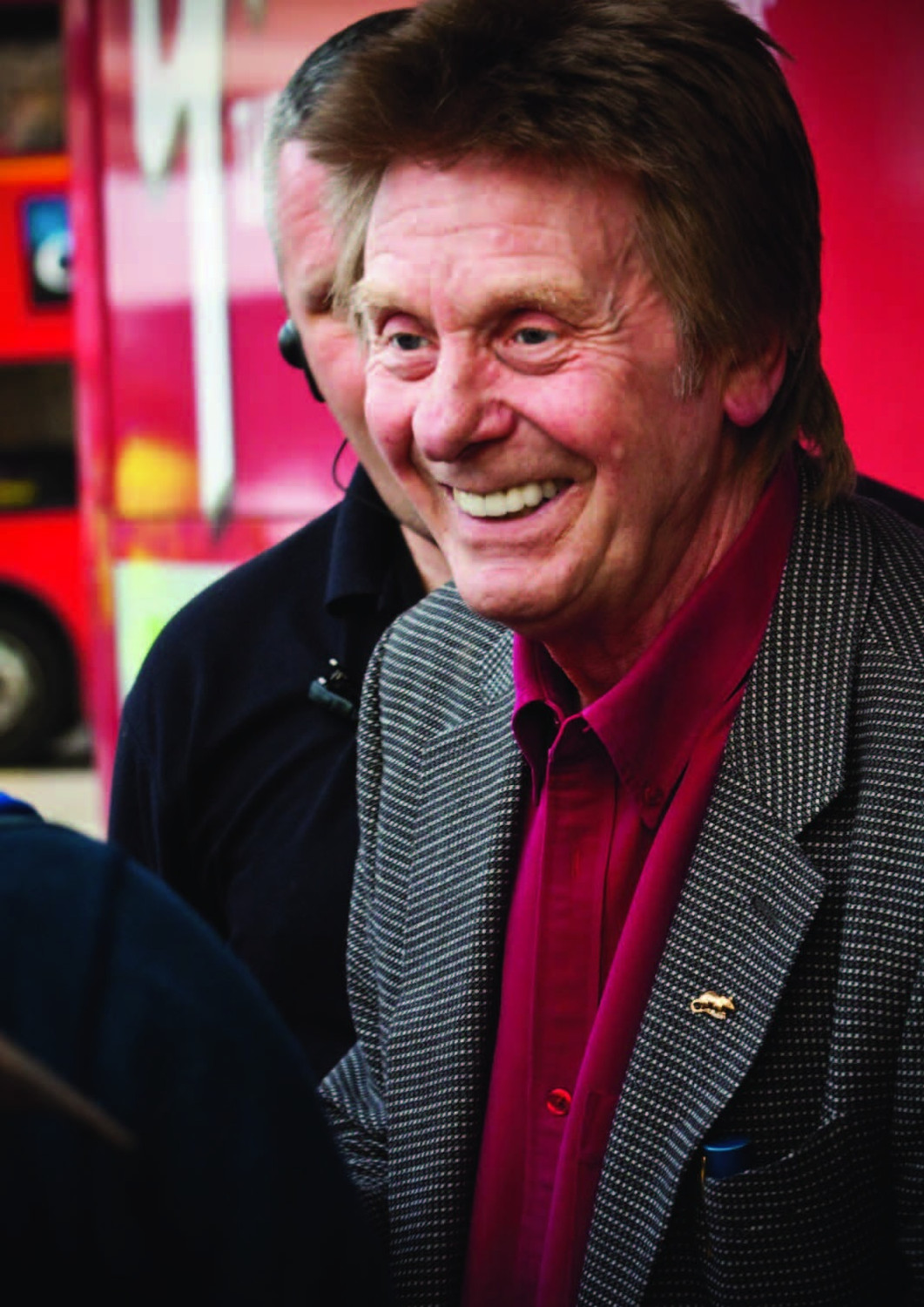
37. Joe Brown
Music and Entertainment | Born 1941 | Born: Swarby, near Sleaford
The rock ’n’ roll star admired by generations of musicians
Joe Brown was born at Swarby, near Sleaford, in 1941 before moving to London aged two. By the late 1950s, he was helping shape British rock ’n’ roll as skiffle gave way to a new musical era.
His biggest hit, A Picture of You, reached number two in 1962. Yet Brown’s importance extends beyond chart positions. A gifted guitarist, ukulele player, banjoist, mandolinist and fiddler, he became a “musician’s musician”—respected by the performers around him as much as by audiences.
Brown knew The Beatles before Beatlemania and became especially close to George Harrison. At the 2002 Concert for George, he closed the evening with a poignant ukulele performance of I’ll See You in My Dreams, one of the show’s most memorable moments.
Before pop stardom, Brown worked for British Railways and trained as a steam-locomotive fireman. It is a wonderfully 1950s route from a Lincolnshire village to more than six decades of British entertainment.
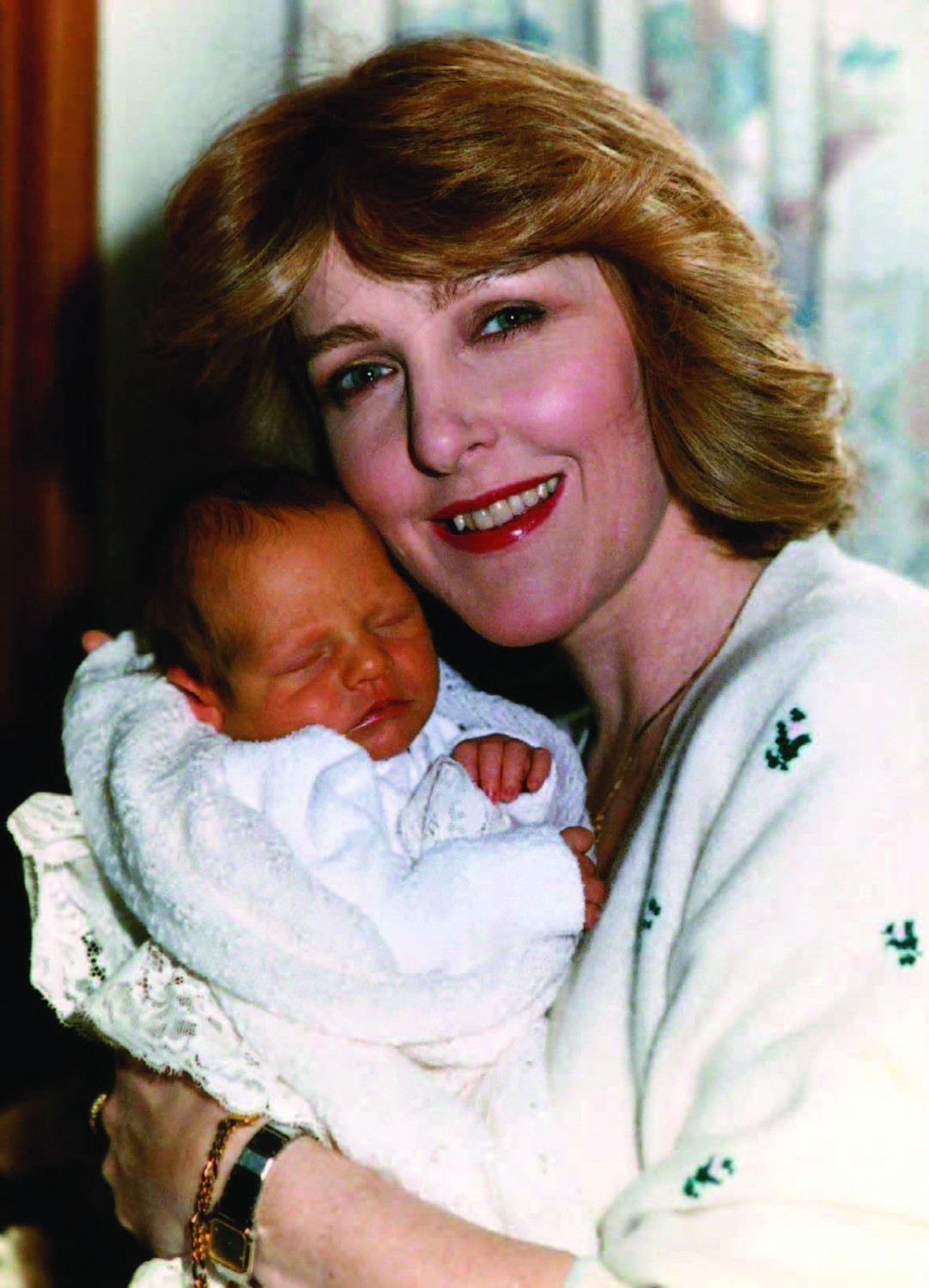
36. Patricia Hodge
Stage and Screen | Born 1946 | Born: Cleethorpes
The versatile actor behind some of television’s most formidable women
Patricia Hodge was born in Cleethorpes in 1946 and initially trained as a teacher. Acting proved too strong a calling, and she won a place at the London Academy of Music and Dramatic Art.
Her West End debut came in the early 1970s, followed by Bob Fosse’s production of Pippin. Television brought wider recognition through roles including Phyllida Erskine-Brown in Rumpole of the Bailey, while her film work included Harold Pinter’s Betrayal.
A younger audience knows Hodge as Penny, Miranda Hart’s gloriously snobbish mother in Miranda, forever declaring “such fun!” She later delighted viewers as the indulged Mrs Pumphrey in All Creatures Great and Small.
Comedy represents only part of her achievement. Hodge is a formidable stage performer who won an Olivier Award for Money at the National Theatre. Her ability to move between serious drama and broad comedy has sustained a distinguished career across British theatre, film and television.
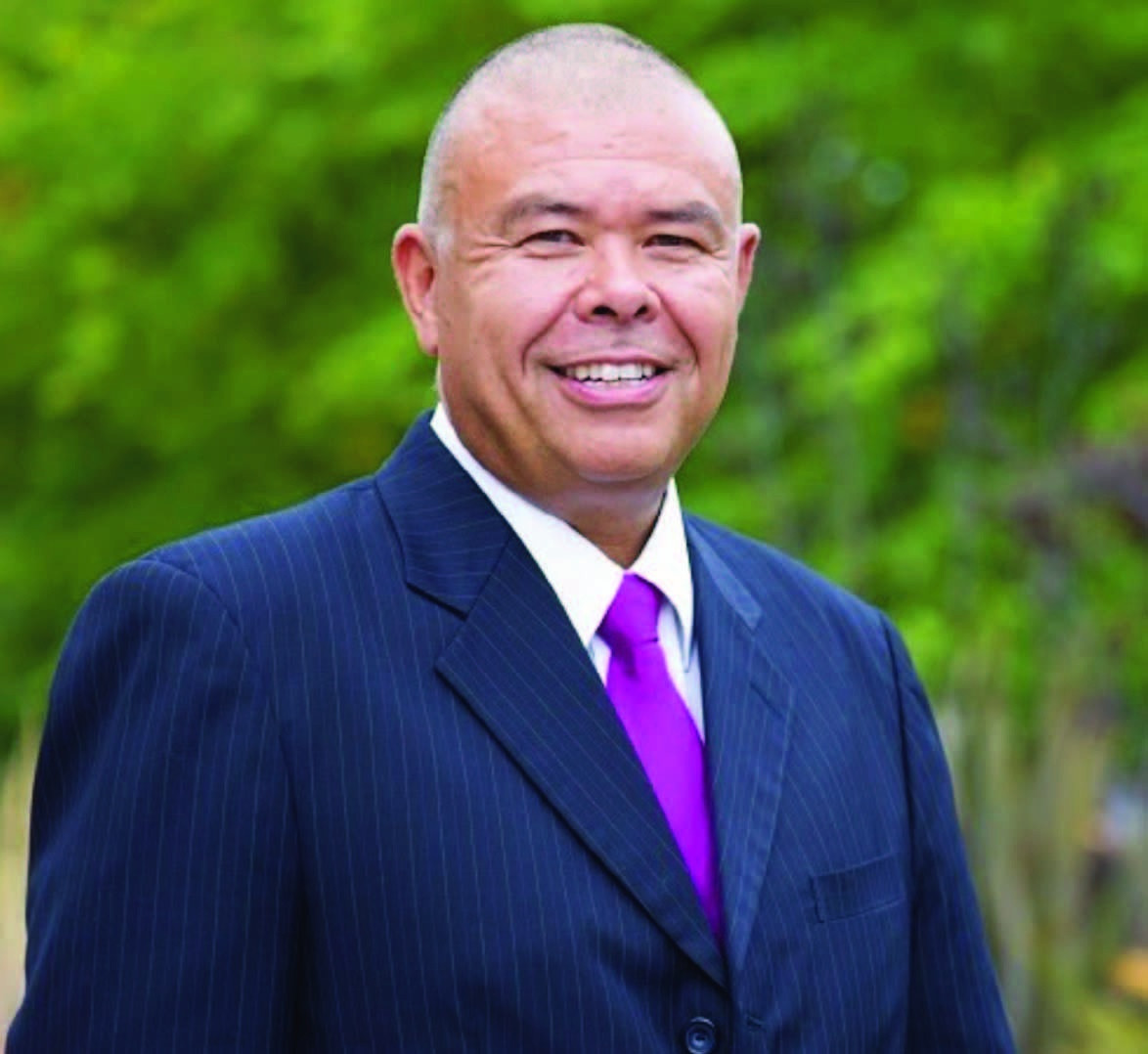
35. Professor Sir Jonathan Van-Tam
Medicine and Public Life | Born 1964 | Born: Boston
The scientist whose memorable metaphors helped explain a pandemic
Born and raised in Boston, Jonathan Van-Tam attended Boston Grammar School before studying medicine at the University of Nottingham. He specialised in influenza, epidemiology, vaccines and pandemic preparedness—expertise that became vital when Covid-19 spread around the world.
As England’s Deputy Chief Medical Officer, “JVT” became a familiar figure at Downing Street briefings. His unusual gift was explaining complicated medical ideas without making audiences feel lost. Football, penalties and trains entering stations became memorable metaphors for infection, vaccination and public-health decisions.
His Lincolnshire roots were often visible in his Boston United ties. A longstanding supporter, he received the Freedom of the Borough and was knighted for services to public health.
For a remarkable period, an epidemiologist from Boston became one of Britain’s most recognisable public figures. Van-Tam’s calm authority and unmistakably Lincolnshire delivery helped millions understand the science behind decisions affecting their lives.
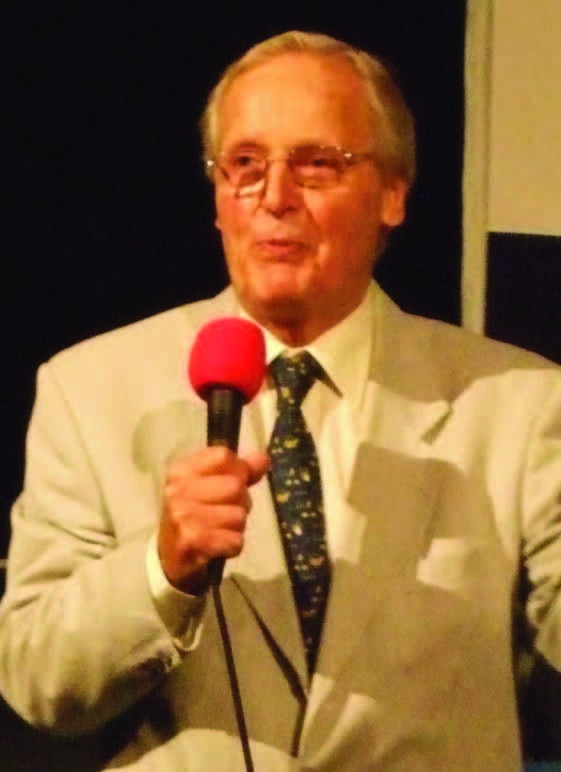
34. Nicholas Parsons
Radio and Television | 1923–2020 | Born: Grantham
The broadcaster who spent half a century preventing hesitation, repetition or deviation
For more than 50 years, Nicholas Parsons repeated three famous rules: no hesitation, repetition or deviation. Born in Grantham in 1923, he enjoyed one of British entertainment’s longest careers as an actor, comedian, television presenter and radio host.
BBC Radio 4’s Just a Minute began in 1967 with Parsons as chairman. Contestants had to speak for 60 seconds on a subject without breaking those rules. Parsons remained in the chair for more than half a century and did not miss an episode until 2018.
His broader career included acting, work as Arthur Haynes’s straight man, appearances with Benny Hill and presenting ITV’s hit quiz Sale of the Century. Courteous, immaculately dressed and apparently unflappable, Parsons represented order while generations of comedians tried to dismantle it.
He originally trained as an engineering apprentice, which may explain his extraordinary ability to keep a deceptively chaotic radio format running smoothly into his nineties.
33. Geoff Capes
Sport | 1949–2024 | Born: Holbeach
The Fenland giant who became the world’s strongest man
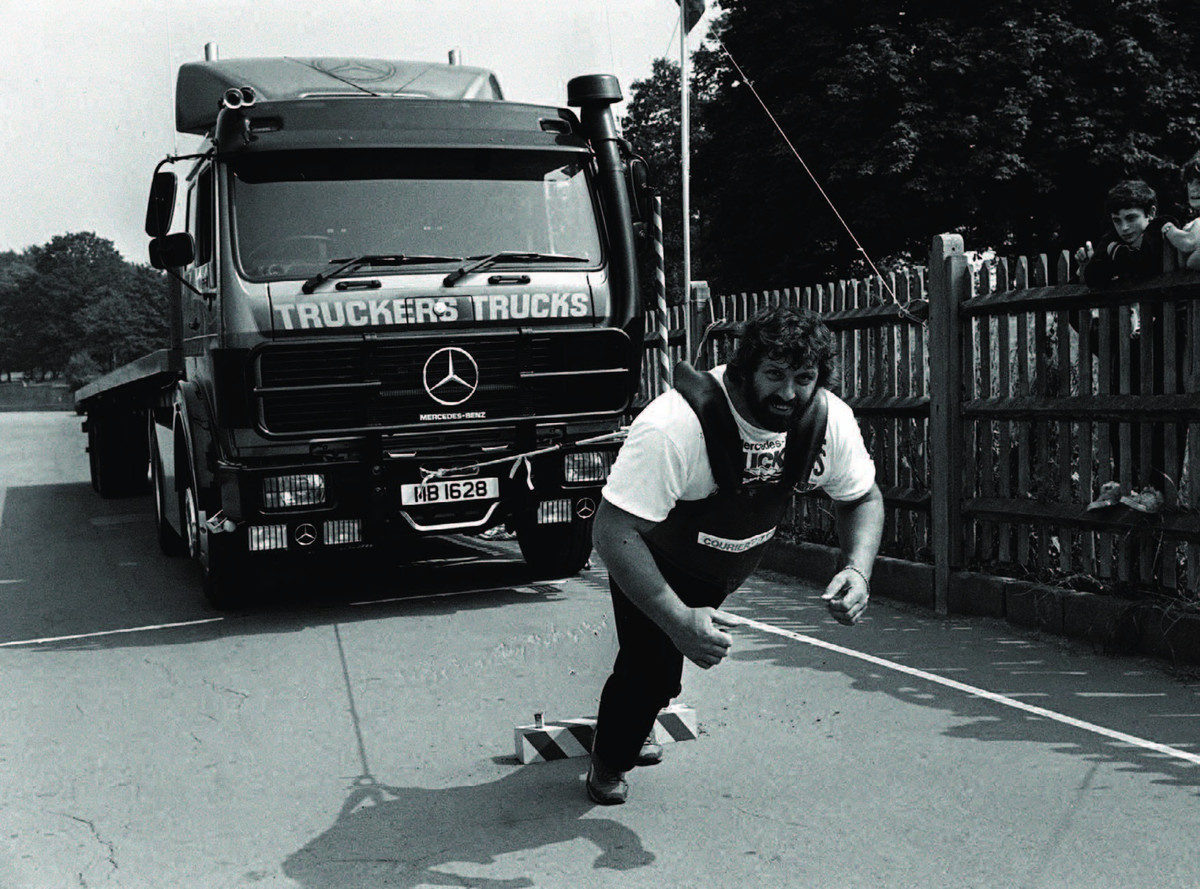
At around 6ft 6in and 26 stone at his competitive peak, Geoff Capes looked superhuman. The Holbeach-born athlete was also far more than a television strongman.
Capes represented Great Britain at three Olympic Games, dominated British shot putting and won Commonwealth gold in 1974 and 1978. His 1980 throw of 21.68 metres remains the British outdoor record.
He then won World’s Strongest Man in 1983 and 1985, becoming a popular television figure through feats of extraordinary strength. Yet his private passion provided a delightful contrast: budgerigars. Capes became an expert breeder and showman and served as president of the Budgerigar Society.
He maintained close links with Lincolnshire and helped develop young athletes through the Lincolnshire Throws Academy. When Capes died in 2024, Britain lost a champion and a larger-than-life sporting personality.
World-class shot-putter, twice the world’s strongest man and champion budgerigar breeder: few sporting careers have contained more unexpected variety.
32. Jennifer Saunders
Comedy and Television | Born 1958 | Born: Sleaford
The Sleaford-born writer who created Absolutely Fabulous
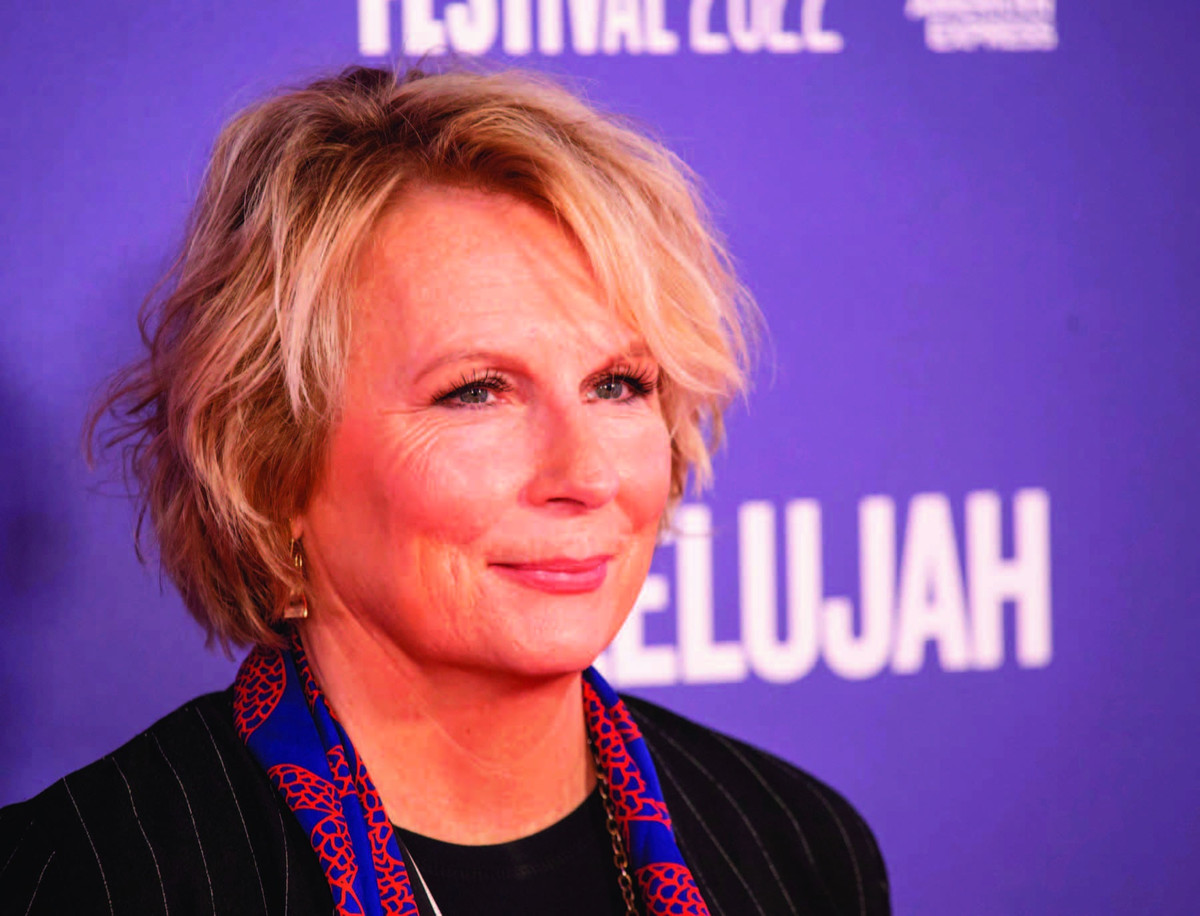
Jennifer Saunders was born in Sleaford in 1958. At the Central School of Speech and Drama she met Dawn French, beginning one of British comedy’s great partnerships.
French and Saunders joined the alternative-comedy generation surrounding the Comic Strip before launching their BBC sketch show in 1987. Its film spoofs, celebrity parodies and surreal characters made the pair household names.
Saunders then created something even bigger. Absolutely Fabulous arrived in 1992, starring Saunders as chaotic fashion PR executive Edina Monsoon and Joanna Lumley as Patsy Stone. Outrageous, fashionable and magnificently badly behaved, the series became an international success and eventually produced a feature film.
Saunders did not merely play Edina: she wrote the programme, creating phrases and characters that endured for decades. Her later work has included Jam & Jerusalem, Shrek 2, Sing and numerous television appearances.
Behind Edina’s chaos was a disciplined comedy writer—and one of the most influential entertainers born in Lincolnshire.
31. Tony Jacklin
Golf | Born 1944 | Born: Scunthorpe
The golfer who taught Europe to believe it could beat America
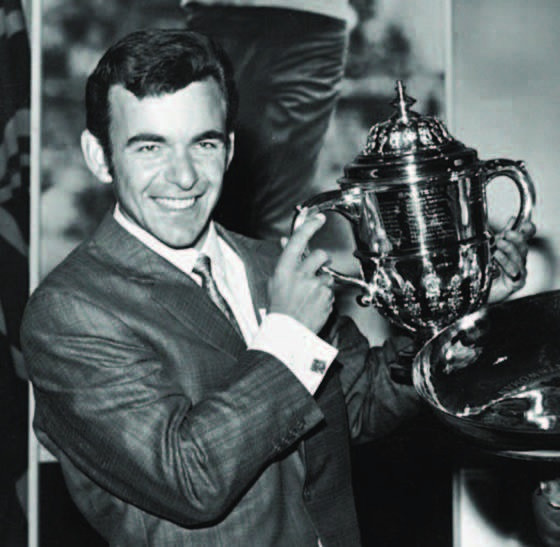
Tony Jacklin was born in Scunthorpe in 1944, the son of a steelworker. At the 1969 Open, he ended an 18-year wait for a British champion. A year later, he won the US Open by seven shots—the first British winner for half a century.
Those two majors made Jacklin a golfing great. His second act changed the Ryder Cup. As Europe’s captain four times from 1983 to 1989, he improved preparation, organisation and team identity. Europe won in 1985 for the first time in 28 years, then achieved a historic first victory on American soil in 1987. A tie in 1989 allowed Europe to retain the trophy.
Jacklin also took part in “The Concession” at the 1969 Ryder Cup, when Jack Nicklaus sportingly conceded his final putt to ensure the match ended tied.
Inducted into the World Golf Hall of Fame in 2002, Jacklin won majors, beat America and then showed a generation of European golfers how to do the same.
Numbers 30–21: Explorers, Reformers and World-Changing Creators
30. William Stukeley
History and Archaeology | 1687–1765 | Born: Holbeach
The doctor who recorded Stonehenge before archaeology properly existed
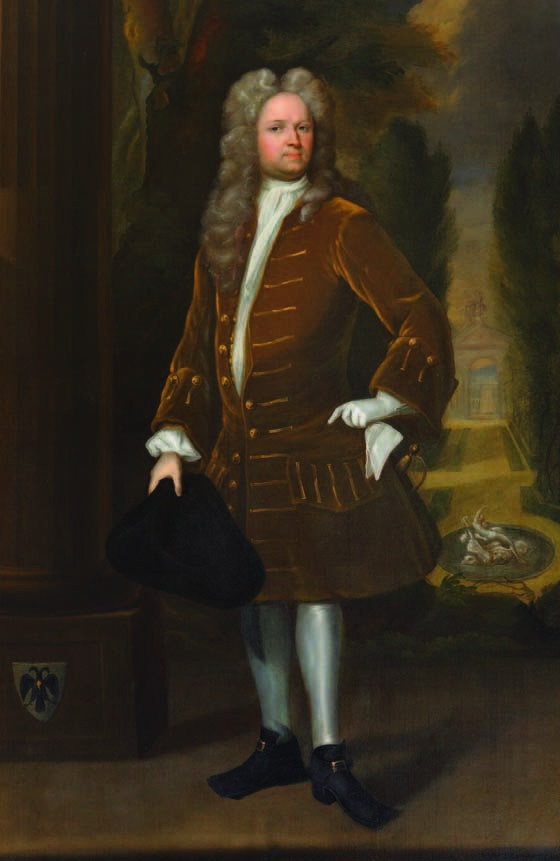
Long before archaeology became an academic discipline, William Stukeley was travelling through Britain measuring ancient monuments, sketching their remains and asking who had built them.
Born in Holbeach in 1687, Stukeley studied medicine at Cambridge and worked as a physician. Antiquities became his great obsession, particularly Stonehenge and Avebury. His detailed surveys preserved evidence of features later damaged or destroyed, creating something like a photographic record more than a century before photography.
Stukeley was elected a Fellow of the Royal Society in 1718. Not all his conclusions were correct: he helped popularise the mistaken idea that Druids built Stonehenge. His methods mattered more. He observed, measured and recorded ancient sites systematically rather than relying only on speculation.
He was also a friend of Sir Isaac Newton and wrote one of the earliest accounts of Newton recalling the fall of an apple. Archaeologists still consult Stukeley’s drawings, while generations know Newton’s apple partly because a curious antiquarian from Holbeach preserved the story.
29. David George Hogarth
Archaeology and Intelligence | 1862–1927 | Born: Barton-upon-Humber
The archaeologist and intelligence officer behind Lawrence of Arabia
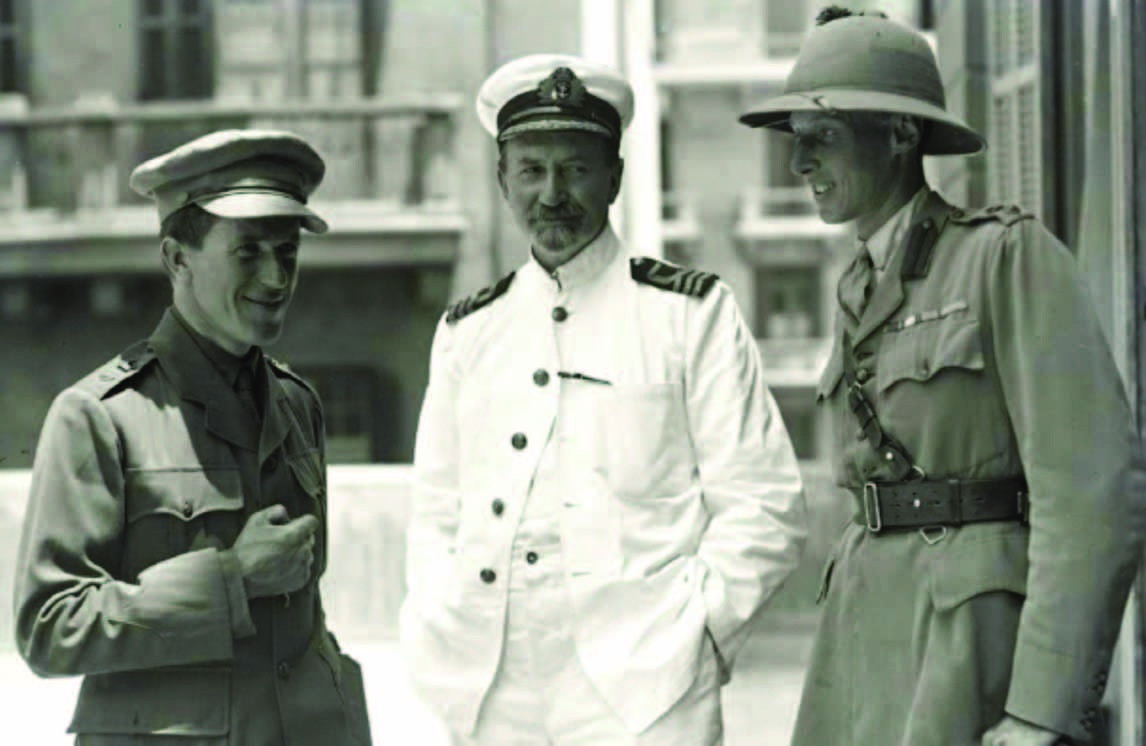
David George Hogarth is not a household name, but his circle was extraordinary. Born in Barton-upon-Humber in 1862, he became a leading archaeologist and Middle East specialist, excavating across Cyprus, Egypt, Syria and Asia Minor before becoming Keeper of Oxford’s Ashmolean Museum.
During the First World War, Hogarth joined British naval intelligence in the Middle East. At the Arab Bureau in Cairo, he worked alongside a younger archaeological colleague whom he had encouraged before the war: T. E. Lawrence, later immortalised as Lawrence of Arabia.
Hogarth became one of the senior intelligence figures involved in British policy surrounding the Arab Revolt against Ottoman rule. His achievements extended beyond wartime work; he also served as President of the Royal Geographical Society and was appointed a Companion of the Order of St Michael and St George.
Hogarth combined scholarship, exploration, museum leadership and intelligence work in one remarkable career—all beginning at Barton’s Old Vicarage, the building in which the next person on our list was also born.
28. Chad Varah
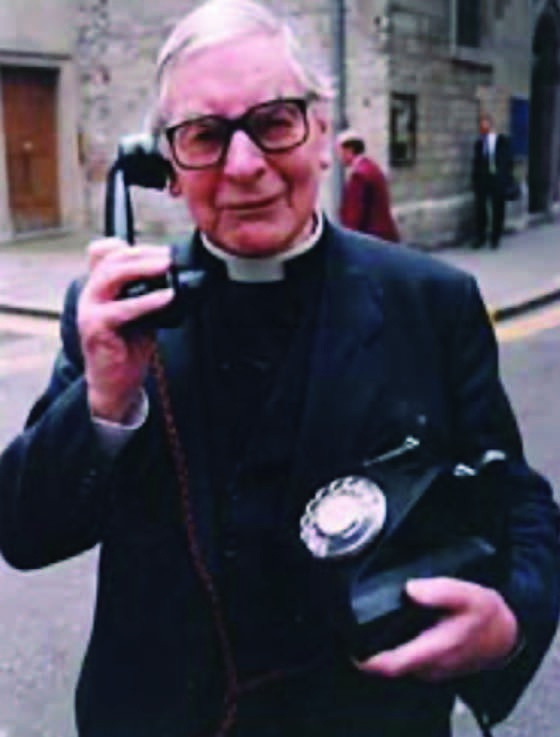
Humanitarian | 1911–2007 | Born: Barton-upon-Humber
The clergyman who founded Samaritans around one powerful idea: listen
Chad Varah’s legacy is measured in lives. Born at the Old Vicarage in Barton-upon-Humber in 1911, he became an Anglican clergyman. During his early ministry in Lincoln, he conducted the funeral of a 14-year-old girl who had taken her own life.
The tragedy convinced Varah that people facing despair needed somewhere to speak openly without judgement. In 1953, at St Stephen Walbrook in London, he created a confidential emotional-support service for people considering suicide. He called it Samaritans.
The principle was simple but profound: volunteers did not need to diagnose, lecture or solve every problem. They needed to be present and listen when another person desperately needed to talk.
The idea spread across Britain and around the world. Samaritans now operates through a huge volunteer network while retaining the founding principle Varah established. He received an OBE and later became a Companion of Honour.
Millions know what Samaritans does without knowing its founder. The organisation’s origins lie in Varah’s Barton birthplace and a Lincoln funeral he never forgot.
27. Sheridan Smith
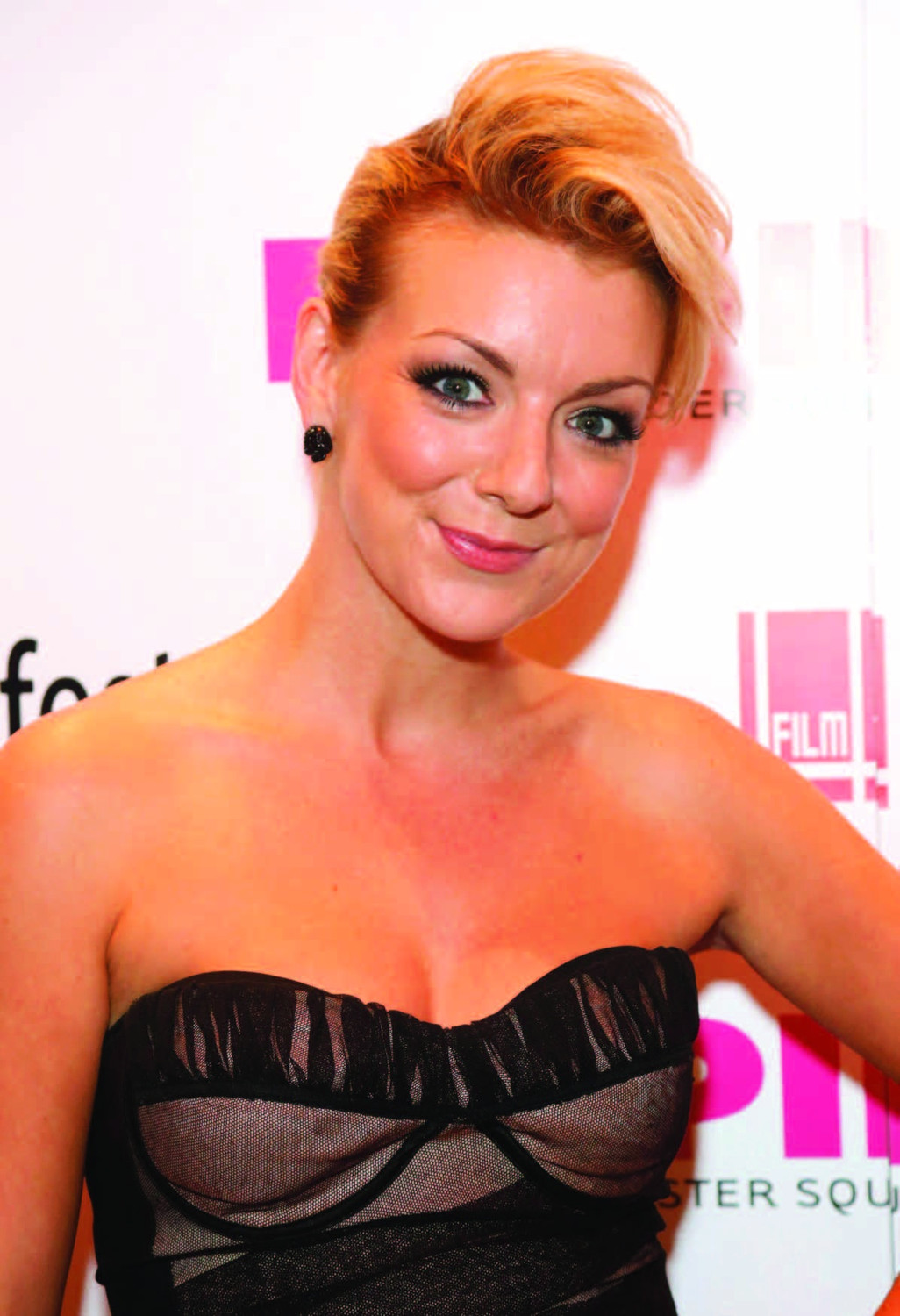
Stage and Screen | Born 1981 | Born: Epworth
The performer who moved effortlessly from sitcoms to the West End
Sheridan Smith was born in Epworth in 1981 and grew up in a musical family. Her parents, Colin and Marilyn, performed as the country-and-western duo The Daltons, and Sheridan joined them on stage from childhood.
Television success came as Janet in Two Pints of Lager and a Packet of Crisps, followed by comedies including Gavin & Stacey and Benidorm. Audiences then discovered the full extent of her range.
Smith won Olivier Awards for Legally Blonde and Flare Path. Television dramas including Mrs Biggs, Cilla and The Moorside proved she could move from comedy into emotionally demanding roles. As Cilla Black, she performed the songs herself while capturing both the star’s public charm and private complexity.
Her versatility is the key: Smith can shift from sitcom to tragedy, then command a musical stage without seeming to change gear. She never took the conventional drama-school route, beginning instead with her parents and youth theatre.
From Lincolnshire clubs to some of Britain’s most prestigious stages, the girl from Epworth became one of her generation’s most acclaimed performers.
26. Dame Joan Plowright
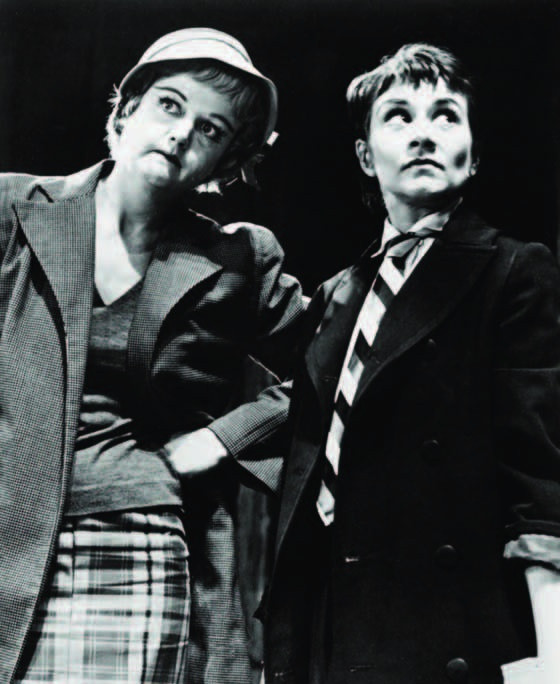
Stage and Screen | 1929–2025 | Born: Brigg
The Brigg-born actor who became a giant of British theatre
Joan Plowright was far more than Laurence Olivier’s wife. Born in Brigg in 1929, she trained at the Bristol Old Vic Theatre School and made her professional stage debut in 1948.
During the 1950s, Plowright joined the English Stage Company at London’s Royal Court as post-war British drama became younger and more adventurous. She won a Tony Award on Broadway for A Taste of Honey and built a formidable classical and modern repertoire.
Plowright married Olivier in 1961, creating a famous theatrical partnership without disappearing behind his reputation. After his death, she enjoyed an exceptional film career. Her credits included Enchanted April, Dennis the Menace, 101 Dalmatians, Jane Eyre and Tea with Mussolini. Enchanted April brought a Golden Globe and an Academy Award nomination.
Poor eyesight eventually forced her retirement. When she died in 2025, aged 95, West End theatres dimmed their lights in tribute. From Brigg to Broadway, Plowright spent more than 60 years earning the respect of her profession.
25. George Bass
Exploration | 1771–c.1803 | Born: Aswarby
The Lincolnshire surgeon whose name appears on the map of Australia
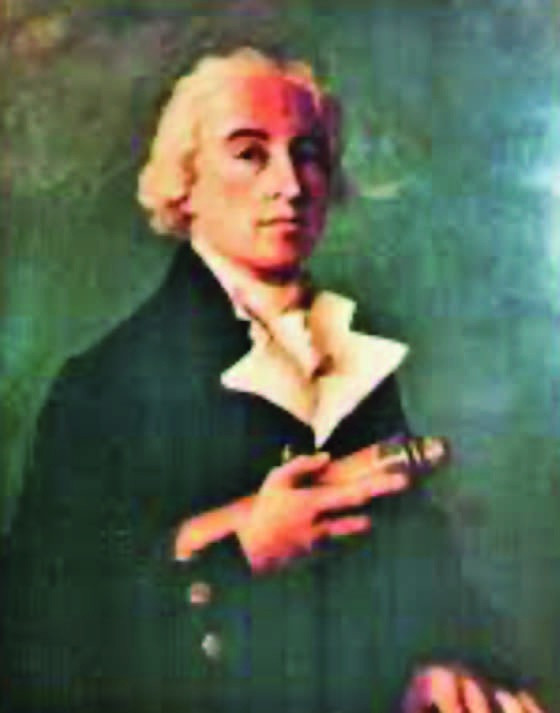
Bass Strait, the water separating mainland Australia from Tasmania, is named after George Bass—a surgeon born at Aswarby, near Sleaford, in 1771.
After joining the Royal Navy, Bass reached Australia and formed a celebrated partnership with another Lincolnshire explorer, Matthew Flinders. They charted the coastline in vessels that look dangerously small today. In 1795, they explored Botany Bay and the Georges River in a tiny boat nicknamed Tom Thumb.
Bass later sailed along the southern coast of New South Wales in an open whaleboat. In 1798–99, he and Flinders circumnavigated Van Diemen’s Land, now Tasmania, proving that it was an island. The strait was subsequently named in his honour.
Then Bass vanished. In 1803, he sailed from Sydney aboard the Venus and was never seen again. Shipwreck, piracy and capture have all been suggested, but his fate remains unknown.
He disappeared aged only 32, yet Australia still speaks the name of this Lincolnshire village-born explorer whenever it refers to Bass Strait.
24. Captain John Smith
Exploration and Colonial History | c.1580–1631 | Born: Willoughby
The Lincolnshire adventurer at the centre of the Pocahontas story
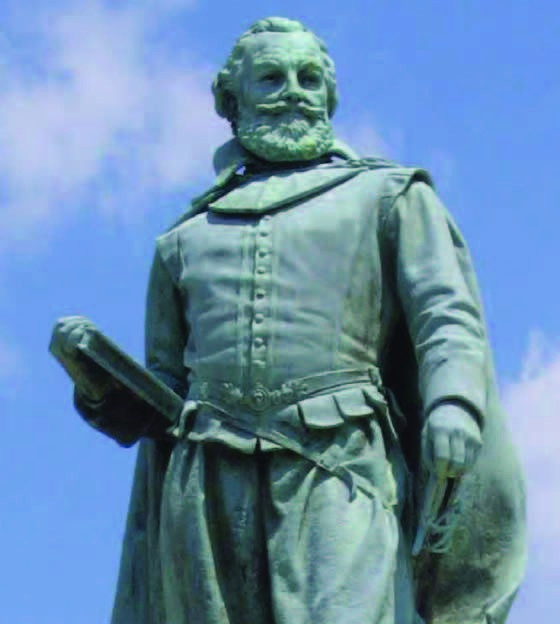
Captain John Smith lived the sort of life Hollywood usually invents. Born at Willoughby, near Alford, around 1580, he became a soldier, adventurer, prisoner, explorer, colonial leader and author.
In 1607, Smith helped establish Jamestown in Virginia, the first permanent English settlement in North America. Disease, starvation, internal disputes and difficult relations with the Powhatan peoples brought the colony close to collapse, and Smith emerged as a dominant leader.
He later claimed that Pocahontas, the young daughter of Powhatan, saved his life after his capture. The episode became famous, although historians have long debated whether it happened exactly as Smith described.
Smith’s importance to Jamestown’s early survival is not disputed. After returning to England, he mapped parts of North America, wrote extensively and helped popularise the name “New England.”
His role belongs to the complicated history of English colonisation and should not be confused with moral approval. For better and worse, a man born in a Lincolnshire village became part of the foundation story of the United States.
23. Sir John Franklin
Exploration and Royal Navy | 1786–1847 | Born: Spilsby
The Arctic explorer whose disappearance became a Victorian obsession
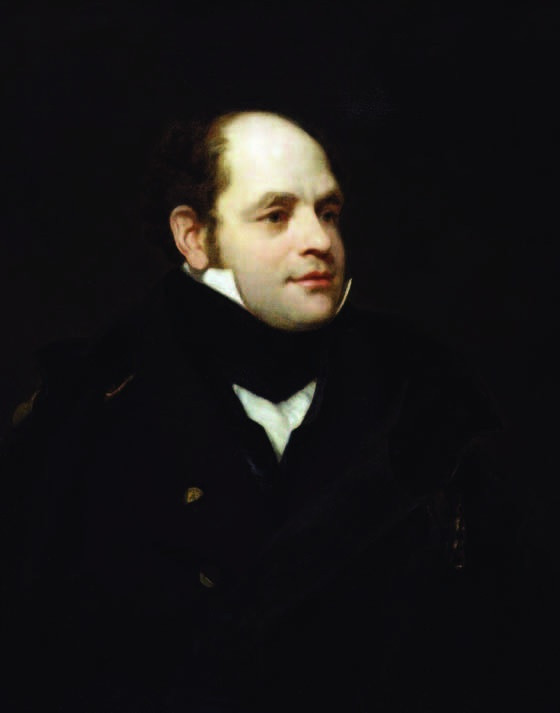
Born in Spilsby in 1786, John Franklin joined the Royal Navy as a teenager, fought at Copenhagen and Trafalgar, and served under his cousin Matthew Flinders. The Arctic made him famous.
His early expeditions into northern Canada brought terrible hardship. During one starving journey, the party survived partly on lichen and leather, earning Franklin the nickname “the man who ate his boots.” He was knighted and later served as Lieutenant-Governor of Van Diemen’s Land.
In 1845, aged 59, Franklin led HMS Erebus and HMS Terror into the Canadian Arctic to seek the Northwest Passage. All 129 men disappeared. Searches eventually established that the ships became trapped in ice, Franklin died in June 1847 and the survivors abandoned the vessels. None returned.
The wreck of Erebus was found in 2014 and Terror in 2016, reviving one of exploration’s greatest mysteries. Franklin’s statue still dominates Spilsby, while research continues into the fate of the expedition almost two centuries later.
22. Charles Wesley
Religion and Music | 1707–1788 | Born: Epworth
The hymn writer whose words are still sung around the world
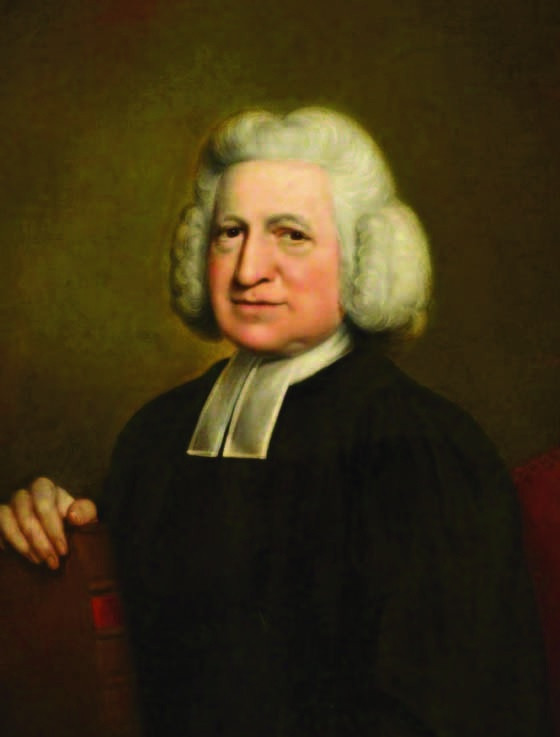
Even people who do not know Charles Wesley’s name have probably sung his words. Hark! The Herald Angels Sing remains one of the world’s most familiar Christmas carols.
Born at Epworth Rectory in 1707, Charles was one of 19 children born to the Reverend Samuel Wesley and his wife Susanna. At Oxford, he joined a disciplined group devoted to prayer, study and charitable work. Other students mockingly called them “Methodists.” The insult became the name of a worldwide Christian movement.
Charles’s elder brother John became Methodism’s great organiser and preacher. Charles supplied its poetry, writing thousands of hymns. They included Love Divine, All Loves Excelling, O for a Thousand Tongues to Sing, Christ the Lord Is Risen Today and Hark! The Herald Angels Sing.
Almost three centuries later, congregations across continents still sing his lyrics. It is an unusual form of immortality—and it began in a Lincolnshire rectory that remains one of the county’s most important religious heritage sites.
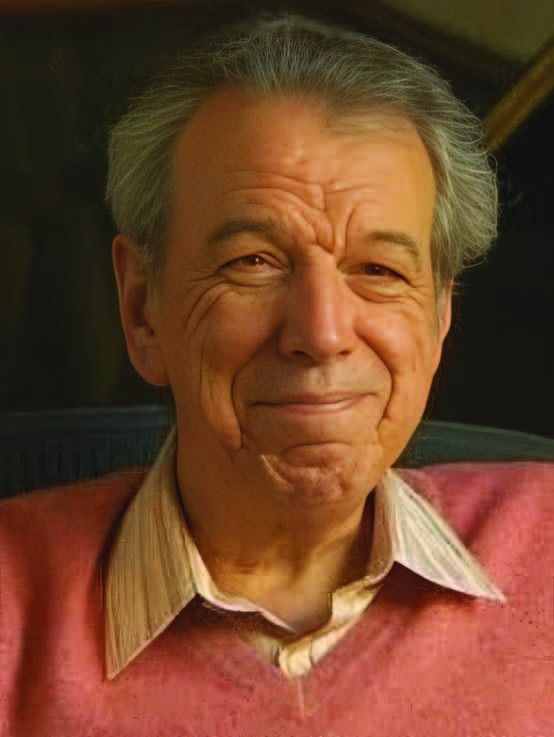
21. Rod Temperton
Music | 1949–2016 | Born: Cleethorpes
The quiet songwriter behind Michael Jackson’s Thriller
Michael Jackson sang Thriller and Quincy Jones produced it, but the man who wrote it came from Cleethorpes. Rod Temperton was born there in 1949, attended De Aston School in Market Rasen and worked for Ross Foods in Grimsby before international success arrived.
In the 1970s, Temperton joined the funk and disco group Heatwave after answering an advertisement. He wrote its hits Boogie Nights and Always and Forever, attracting the attention of Quincy Jones.
For Jackson’s Off the Wall, Temperton wrote Rock with You, Off the Wall and Burn This Disco Out. He then contributed three songs to the next album. One carried the working title Starlight until Temperton found something stronger: Thriller.
The album became the biggest-selling record in history. Temperton also wrote for George Benson, Donna Summer and many others, yet avoided celebrity and was nicknamed “the Invisible Man.”
One of popular music’s greatest hitmakers began in Cleethorpes and a Grimsby frozen-food factory. His face remained unfamiliar; his songs became unavoidable.
Numbers 20–11: Tudor Power, Modern Fame and Enduring Achievement
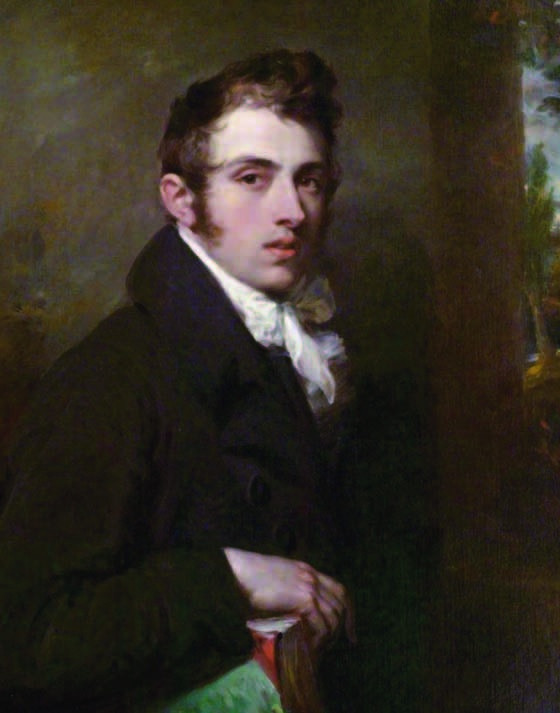
20. William Hilton
Art | 1786–1839 | Born: Lincoln
The Lincoln artist who rose to the top of the Royal Academy
William Hilton is familiar locally through Lincoln’s Usher Gallery, but his national importance deserves wider recognition. Born in Lincoln in 1786, the son of a portrait painter, he moved to London as a teenager and was apprenticed to the engraver John Raphael Smith.
Hilton entered the Royal Academy Schools in 1806. He became an Associate of the Royal Academy in 1813, a full Academician six years later and Keeper of the Royal Academy in 1827—one of the institution’s most important positions, carrying responsibility for educating younger artists.
He specialised in large historical, biblical and literary paintings, then considered the highest form of art. His circle included John Keats, Charles Lamb and John Clare. Hilton’s portrait of Clare is now held by the National Portrait Gallery, while the Usher Gallery owns his self-portrait.
Hilton died in 1839, aged only 53. By then, the Lincoln-born painter had reached the summit of Britain’s artistic establishment and was helping train the generation following him.
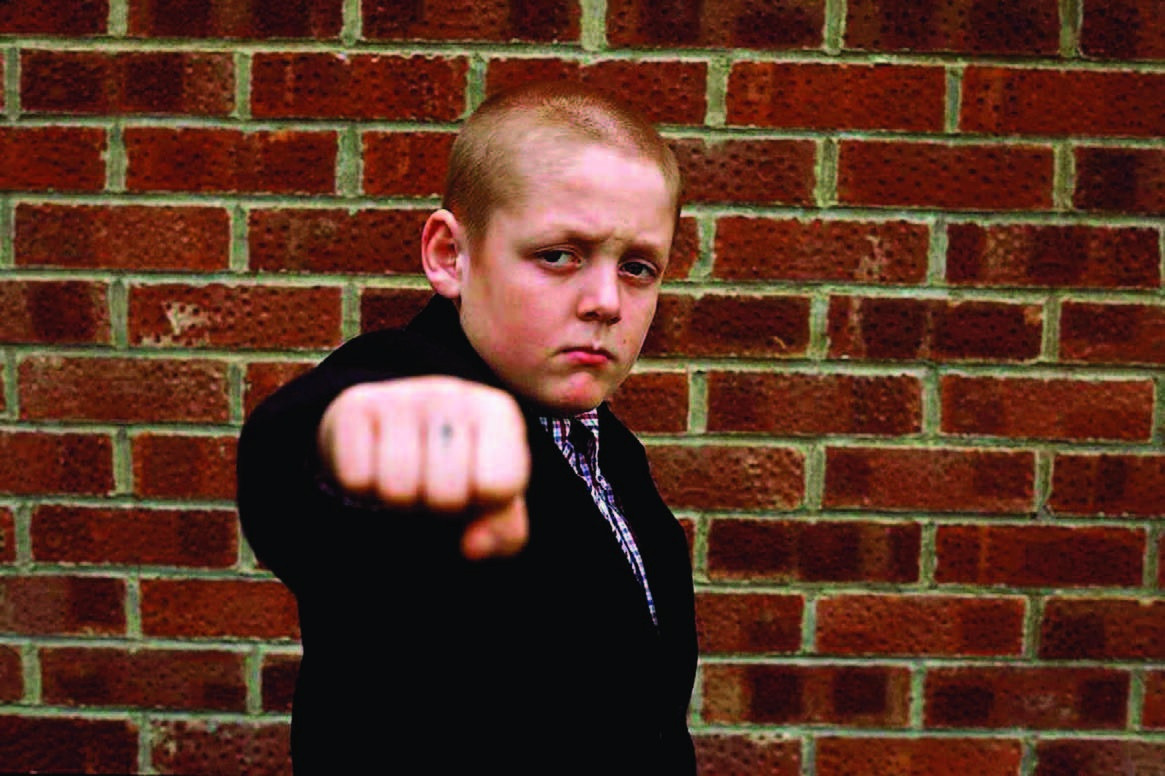
19. Thomas Turgoose
Film and Television | Born 1992 | Born: Grimsby
The Grimsby schoolboy who accidentally became a film star
Thomas Turgoose has one of British cinema’s best discovery stories. Born in Grimsby in 1992, he had no acting experience when director Shane Meadows began searching for a boy to play Shaun in the 2006 film This Is England.
Turgoose encountered the auditions while truanting from school and reportedly demanded £5 to take part. The filmmakers paid him—and then gave him the leading role.
Set amid the skinhead culture and social tensions of 1983, This Is England became one of the most acclaimed British films of its generation. Turgoose’s natural performance as vulnerable young Shaun was central to its success and earned him the British Independent Film Award for Most Promising Newcomer.
He returned in the television sequels This Is England ’86, ’88 and ’90, and has since appeared in numerous productions. His mother, Sharon, died during the original film’s production, and it was dedicated to her memory.
Turgoose remains closely connected to Grimsby and supports Grimsby Town—a film star whose career began with a £5 audition he never expected to win.
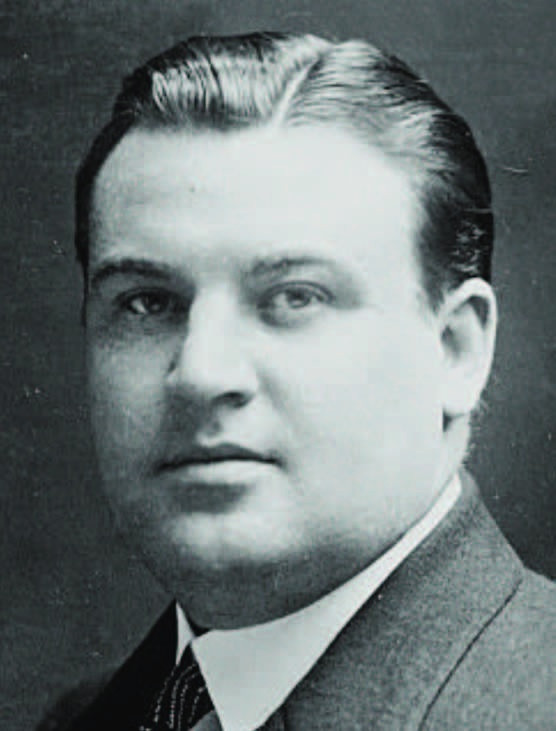
18. Alfred Piccaver
Opera | 1884–1958 | Born: Long Sutton
The Lincolnshire tenor who became a star of Viennese opera
One of the leading tenors of early 20th-century Vienna was born in Long Sutton. Alfred Piccaver arrived there in 1884 before his family emigrated to the United States, where he studied singing.
Piccaver travelled to Europe and made his operatic debut in Prague in 1907. He then joined the Vienna Court Opera, later the Vienna State Opera, and remained closely associated with it for more than 25 years.
His roles included Rodolfo in La Bohème, Don José in Carmen, Cavaradossi in Tosca and the Duke in Rigoletto, alongside works by Wagner and Richard Strauss. Piccaver also performed at Covent Garden, in Chicago and across continental Europe, becoming particularly admired for Puccini.
His fame in Austria was so great that audiences regarded him as almost Viennese. After spending later years teaching in Britain, he returned to the Austrian capital and died there in 1958.
The journey from Victorian Long Sutton to packed opera houses in Vienna, Prague and London remains one of Lincolnshire’s most unexpected international success stories.
17. Anne Askew
Religion and History | c.1521–1546 | Born: Stallingborough
The Tudor writer who refused to renounce her beliefs under torture
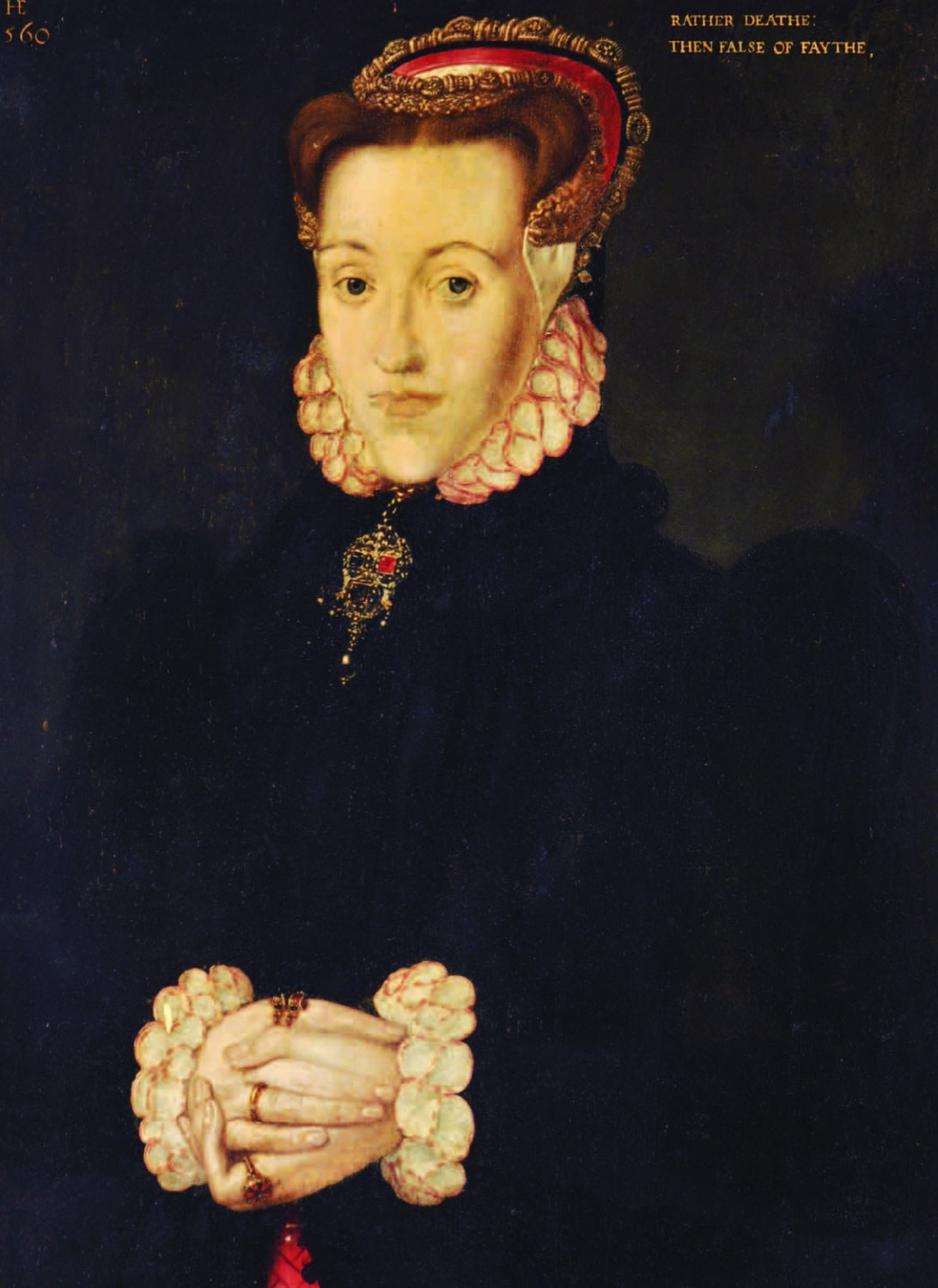
Anne Askew lived for only about 25 years, yet remains one of the English Reformation’s most discussed women. Born around 1521 into a prosperous Stallingborough family, she grew up amid the dangerous religious upheaval of Henry VIII’s reign.
Askew adopted radical Protestant beliefs, particularly rejecting the Catholic doctrine of transubstantiation. An unhappy marriage and religious conflict eventually took her to London, where her outspoken views attracted official attention.
She was arrested, interrogated and taken to the Tower of London. Officials tortured her on the rack in an attempt to make her identify influential Protestant sympathisers at court. Askew refused. Contemporary accounts suggest the torture left her unable to walk to her execution.
On 16 July 1546, she was burned at Smithfield. Accounts of her interrogations and beliefs were published after her death, turning her into a celebrated Protestant martyr and giving her an enduring place in women’s writing.
Whatever a reader’s faith, the courage required for a young Tudor woman to defy church and state is extraordinary. Offered opportunities to recant, Askew chose to die for her convictions.
16. Thomas Sutton
Philanthropy | 1532–1611 | Born: Knaith
The businessman whose fortune created a 400-year institution
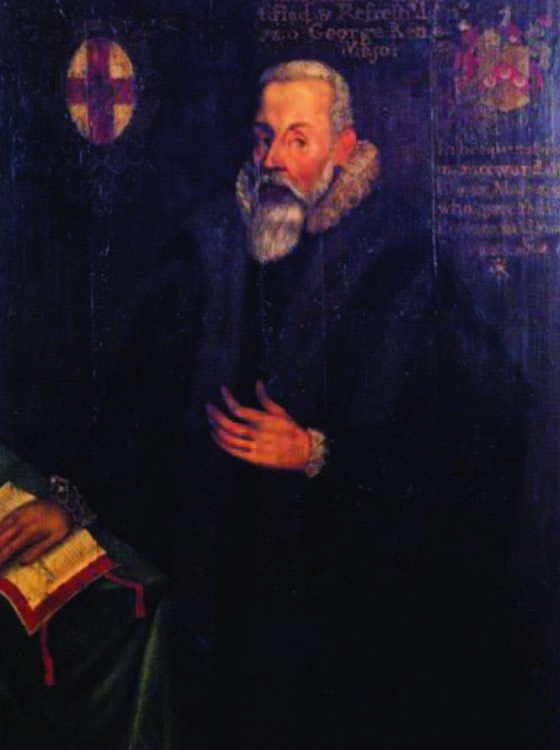
Thomas Sutton became one of the wealthiest private individuals in late Tudor and early Jacobean England. What he did with that wealth explains his place among Lincolnshire’s greatest legends.
Born at Knaith in 1532, Sutton built a career through government service, property, finance and business. He had no surviving children and decided to create something more enduring than a conventional inheritance.
Sutton purchased the former Charterhouse monastery in London and endowed an institution providing accommodation for 80 impoverished gentlemen and a school for 40 boys. Known simply as Charterhouse, the foundation outlived him by centuries.
The almshouse remains at Charterhouse Square, while the school later moved to Godalming and became one of Britain’s best-known independent schools. Its pupils have included Robert Baden-Powell, founder of the Scout movement.
Charitable giving was not unusual in Sutton’s age, but the permanence and scale of his vision were exceptional. More than four centuries after the Lincolnshire businessman’s death, people still benefit from the fortune he deliberately placed at the service of future generations.
15. Ella Henderson
Music | Born 1996 | Born: Tetney
The singer who lost The X Factor and then reached number one
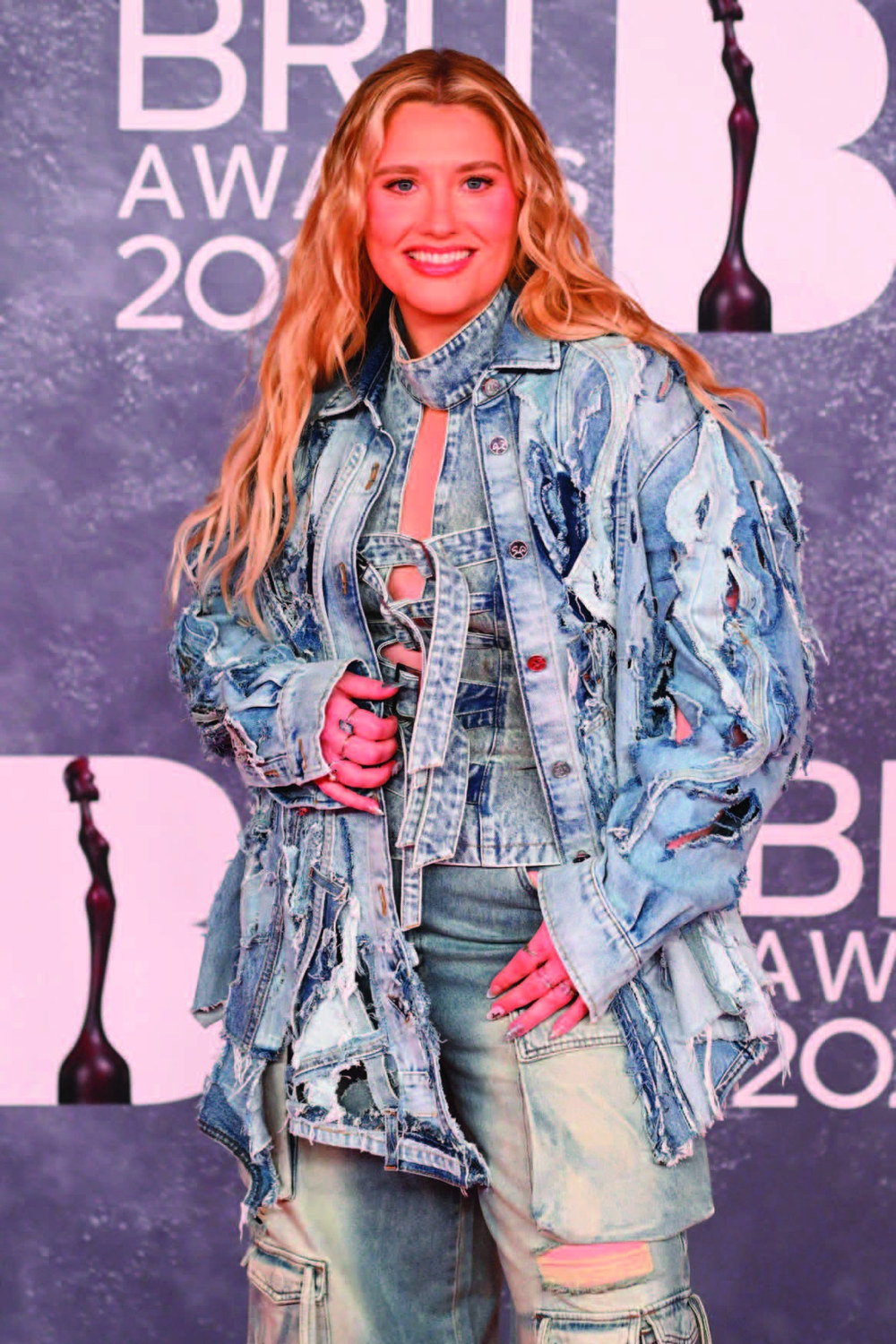
Finishing sixth on The X Factor is not the obvious beginning of international pop success. Ella Henderson made it one.
Born Gabriella Michelle Henderson at Tetney in 1996, she sang from childhood, taught herself piano and won a scholarship to Tring Park School for the Performing Arts. At 16, she auditioned for the 2012 series of The X Factor.
Henderson quickly became a favourite, but her elimination in sixth place was one of the programme’s biggest surprises. It did not stop her. She signed with Simon Cowell’s Syco label and released Ghost in 2014. The single went straight to number one in Britain, while her debut album Chapter One also topped the chart.
Ghost became an international hit, and Henderson built a career beyond reality television through pop and dance collaborations, major streaming success and songwriting.
Her story delivers a useful lesson about televised competitions: winning the programme is not the same as winning the career. Henderson came sixth, then outsold most of the contestants placed above her.
14. John Whitgift
Religion and Politics | c.1530–1604 | Born: Grimsby
The Grimsby-born Archbishop who stood beside Elizabeth I
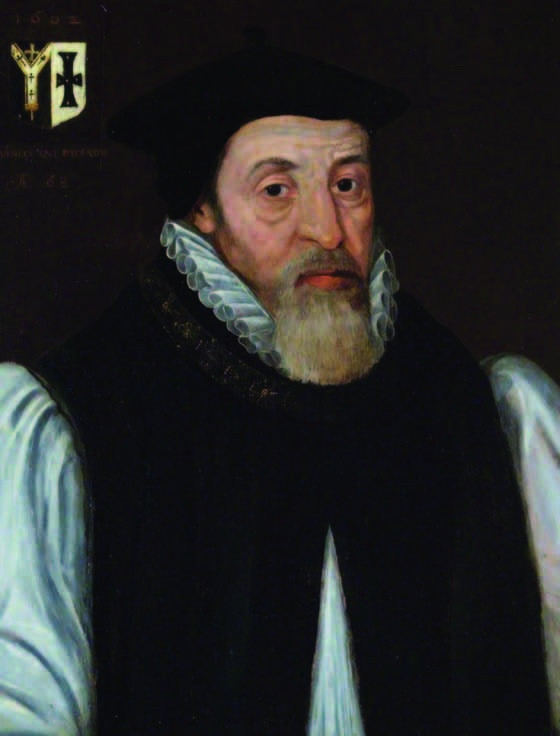
John Whitgift rose from Tudor Grimsby to become one of England’s most powerful churchmen. Born around 1530 into a merchant family, he studied at Cambridge and became Professor of Divinity, Master of Trinity College and a leading figure in the university.
In 1583, Elizabeth I appointed Whitgift Archbishop of Canterbury, placing the Lincolnshire cleric at the head of the Church of England during intense religious tension. England was Protestant, but disputes about the character and future of that Protestantism remained fierce.
Whitgift firmly resisted Puritans demanding more radical reform and enforced conformity with the established Church. Some of his methods appear severe today, yet his closeness to Elizabeth demonstrates the confidence she placed in him.
He served throughout the final two decades of her reign, attended the Queen during her last illness and crowned her successor, James I. His legacy also survives through educational institutions in Croydon, including Whitgift School.
Few people born in Grimsby have exercised more direct influence over English government and religion than the Archbishop trusted by Elizabeth I.
13. Colin Furze
Engineering and Entertainment | Born 1979 | Born: Stamford
The Stamford plumber who turned his workshop into a global channel
Earlier inventors needed laboratories, wealthy patrons or the Royal Society. Colin Furze needed tools, a camera and an extremely tolerant neighbourhood.
Born in Stamford in 1979, Furze left school at 16 and became a plumber. He began filming increasingly outrageous engineering projects and sharing them on YouTube. Jet-powered bicycles, flame-throwing scooters, enormous swings, hoverbikes and vehicles apparently borrowed from cartoons attracted millions of viewers.
His channel grew into one of Britain’s largest engineering platforms, but it retained the atmosphere of an enthusiast building something absurd in a shed. One of Furze’s most ambitious projects went underground: he built a bunker and an expanding tunnel network beneath his property, turning suburban Stamford into something resembling Thunderbirds.
There is real engineering beneath the entertainment. Furze succeeds because viewers think both “that is clever” and “surely nobody should try that at home.”
Unlike most historic figures in this countdown, his story is unfinished. The Stamford inventor’s greatest—and probably loudest—creation may still be ahead of him.
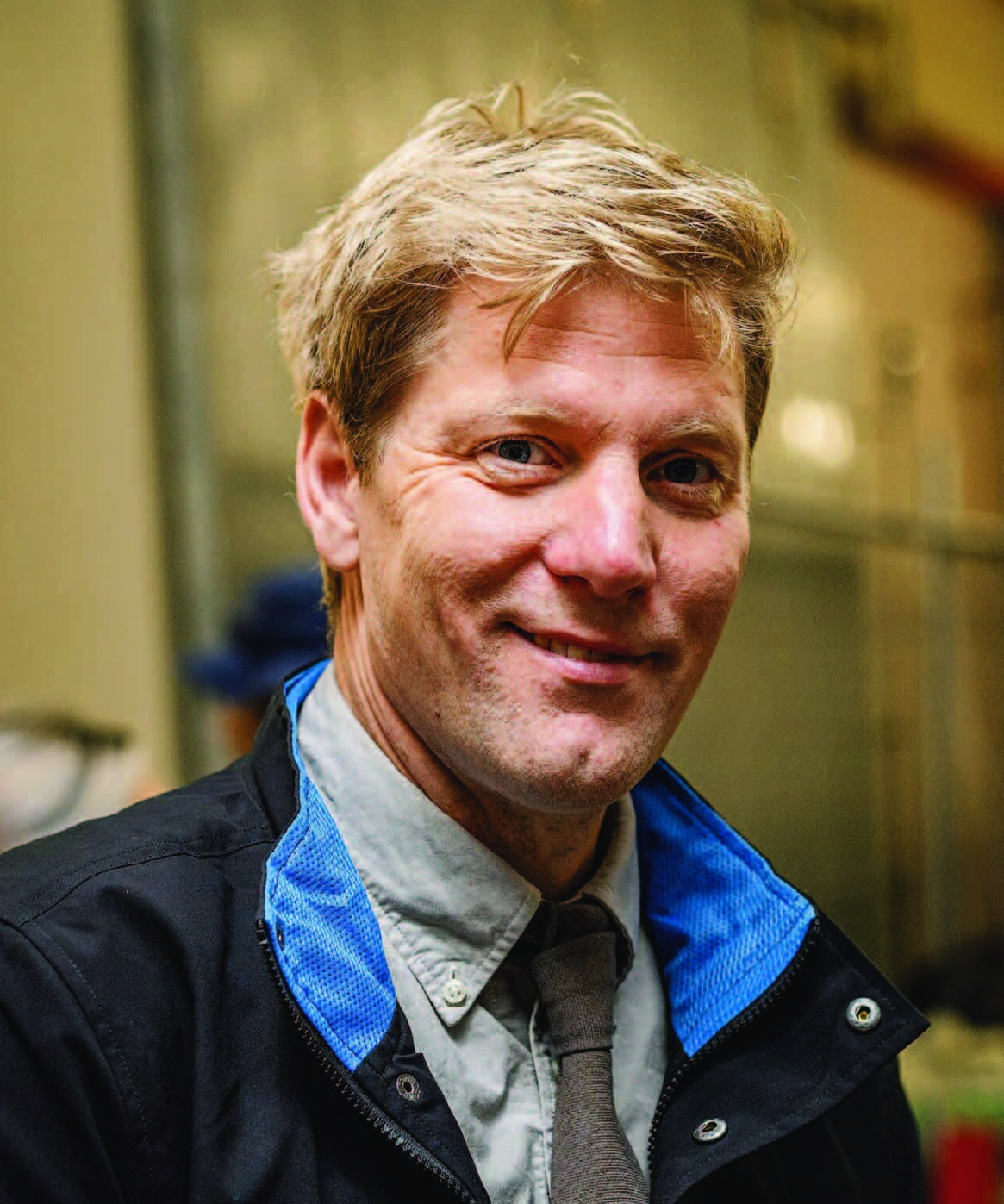
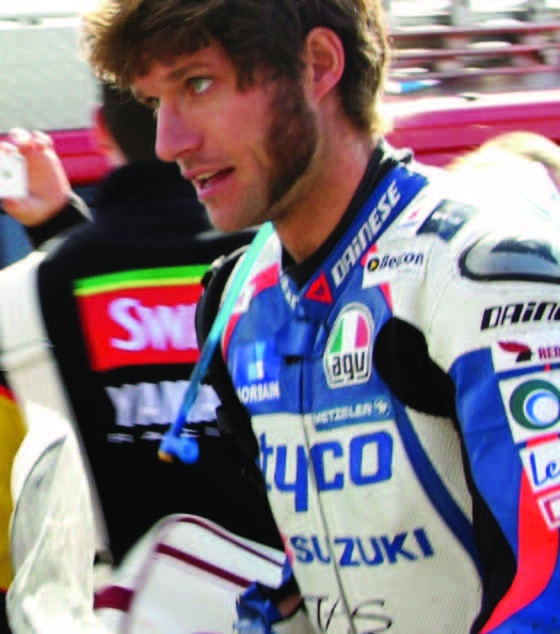
12. Guy Martin
Motorsport and Television | Born 1981 | Born: Grimsby
The lorry mechanic who became Britain’s favourite speed obsessive
Guy Martin never appeared interested in celebrity, which did not prevent him becoming one. Born in Grimsby in 1981, he followed his father into engineering and motorcycle racing while working as a lorry mechanic.
Road racing became his obsession, especially the Isle of Man TT. Although Martin never won there, his 17 podium finishes and fearless style made him one of the event’s most recognisable riders.
The documentary TT3D: Closer to the Edge introduced his rapid Lincolnshire accent and unpolished personality to a much larger audience. Programmes including Speed with Guy Martin followed, combining engineering with extraordinary challenges. Martin has ridden a bicycle beyond 100mph, recreated historic machines and attempted speed records on land and water. In one televised project, he approached 274mph on a motorcycle.
Television never turned him into a conventional presenter. That was the attraction: he still spoke like a mechanic and seemed more interested in an engine component than the camera.
Martin’s authenticity, engineering knowledge and appetite for speed have made him one of the most distinctively Lincolnshire personalities on British television.
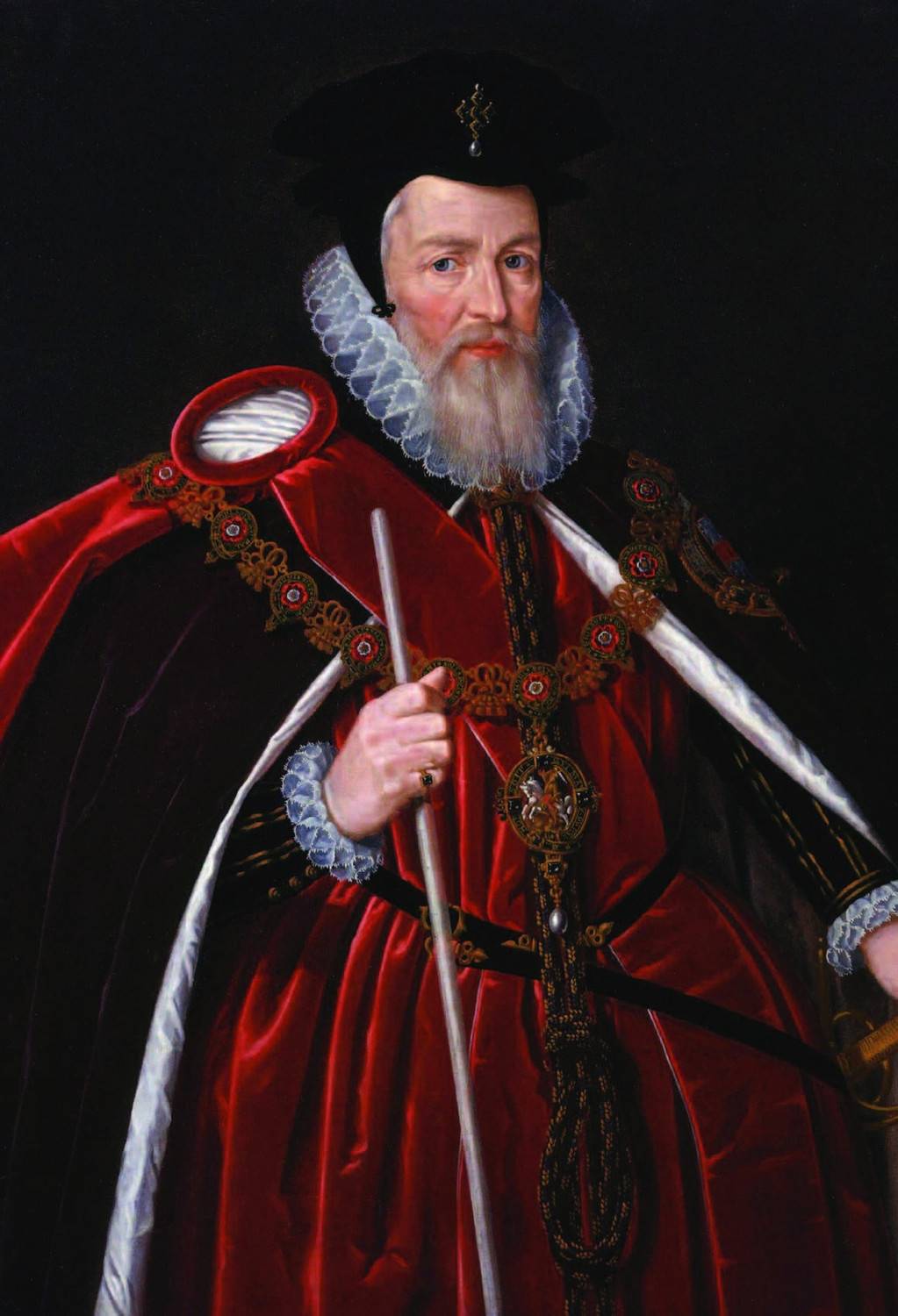
11. William Cecil, Lord Burghley
Politics and Statecraft | 1520–1598 | Born: Bourne
The Lincolnshire statesman behind Elizabeth I’s throne
If William Cecil had been born four centuries later, we might call him Prime Minister. Born in Bourne in 1520, he became the most important political adviser of Elizabeth I’s reign.
Elizabeth inherited the throne in 1558 with England divided by religion, financially fragile and threatened by European rivals. She immediately appointed Cecil Principal Secretary. He remained at the centre of government for four decades, cautious where others were reckless and exceptionally skilled at navigating Tudor politics.
Cecil became Lord High Treasurer in 1572 and helped manage finance, foreign policy, religious affairs and the succession. Working alongside figures such as Sir Francis Walsingham, he confronted Catholic plots, the crisis surrounding Mary Queen of Scots and the Spanish Armada of 1588.
His Lincolnshire legacy remains tangible. Cecil adopted the title Baron Burghley and created Burghley House beside Stamford, one of England’s finest Elizabethan buildings. His family continued to shape public life for centuries.
Elizabeth receives the glory of her age, but successful monarchs rarely govern alone. Behind the portraits and pageantry stood a methodical Lincolnshire administrator reading papers, balancing factions and watching Europe. For most of Elizabeth’s reign, that man was William Cecil.
He helped govern England for approximately 40 years—and still finishes just outside Lincolnshire’s Top Ten.
The Top Ten Greatest Lincolnshire Legends
At this point, fame is no longer enough. Every remaining figure achieved something exceptional: founding worldwide movements, mapping continents, transforming mathematics, creating unforgettable music, winning cinema’s greatest prize and even taking the crown of England.
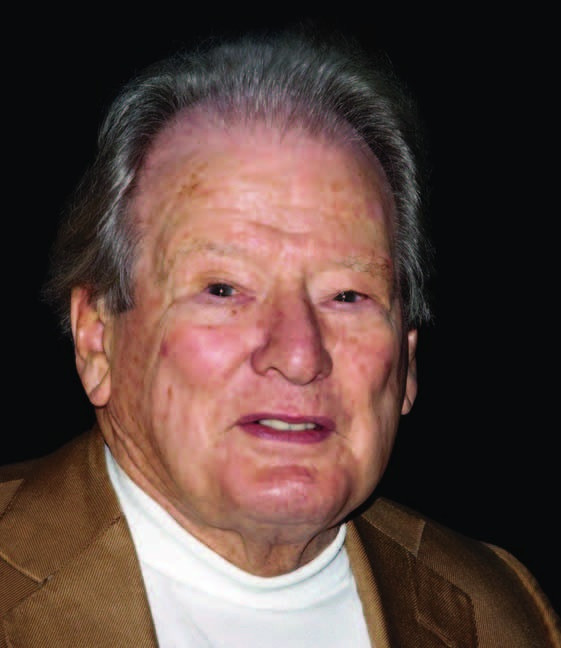
10. Sir Neville Marriner
Music | 1924–2016 | Born: Lincoln
The conductor who created one of the world’s great chamber orchestras
Even people who do not recognise Sir Neville Marriner’s name may have heard his music. The Lincoln-born violinist and conductor founded the Academy of St Martin in the Fields, one of the world’s most recorded and admired chamber ensembles.
Born in 1924, Marriner attended Lincoln School before studying at the Royal College of Music and the Paris Conservatoire. He began as a violinist, playing chamber music and joining the London Symphony Orchestra. Working around conductors including Arturo Toscanini and Wilhelm Furtwängler provided an exceptional education in how orchestras worked.
In 1958, Marriner brought together a small group of outstanding London players to perform baroque music. Their first professional concert took place at St Martin-in-the-Fields in Trafalgar Square the following year.
The ensemble’s approach was unusually collegiate. Instead of depending on an authoritarian conductor, its musicians listened and responded like chamber players, producing clean and energetic performances. Recordings carried that sound around the world and created one of classical music’s largest catalogues.
Millions encountered the Academy through the soundtrack to the Oscar-winning 1984 film Amadeus, one of the most successful classical recordings associated with cinema.
Marriner’s career extended far beyond the Academy. He became the founding Music Director of the Los Angeles Chamber Orchestra, led the Minnesota Orchestra and worked with major ensembles across Europe, Asia and America. Knighted in 1985 and made a Companion of Honour in 2015, he continued conducting into his nineties.
His career stretched from the age of 78rpm records to digital streaming. At its centre remained the Academy he created—and a musical journey that began at school in Lincoln.
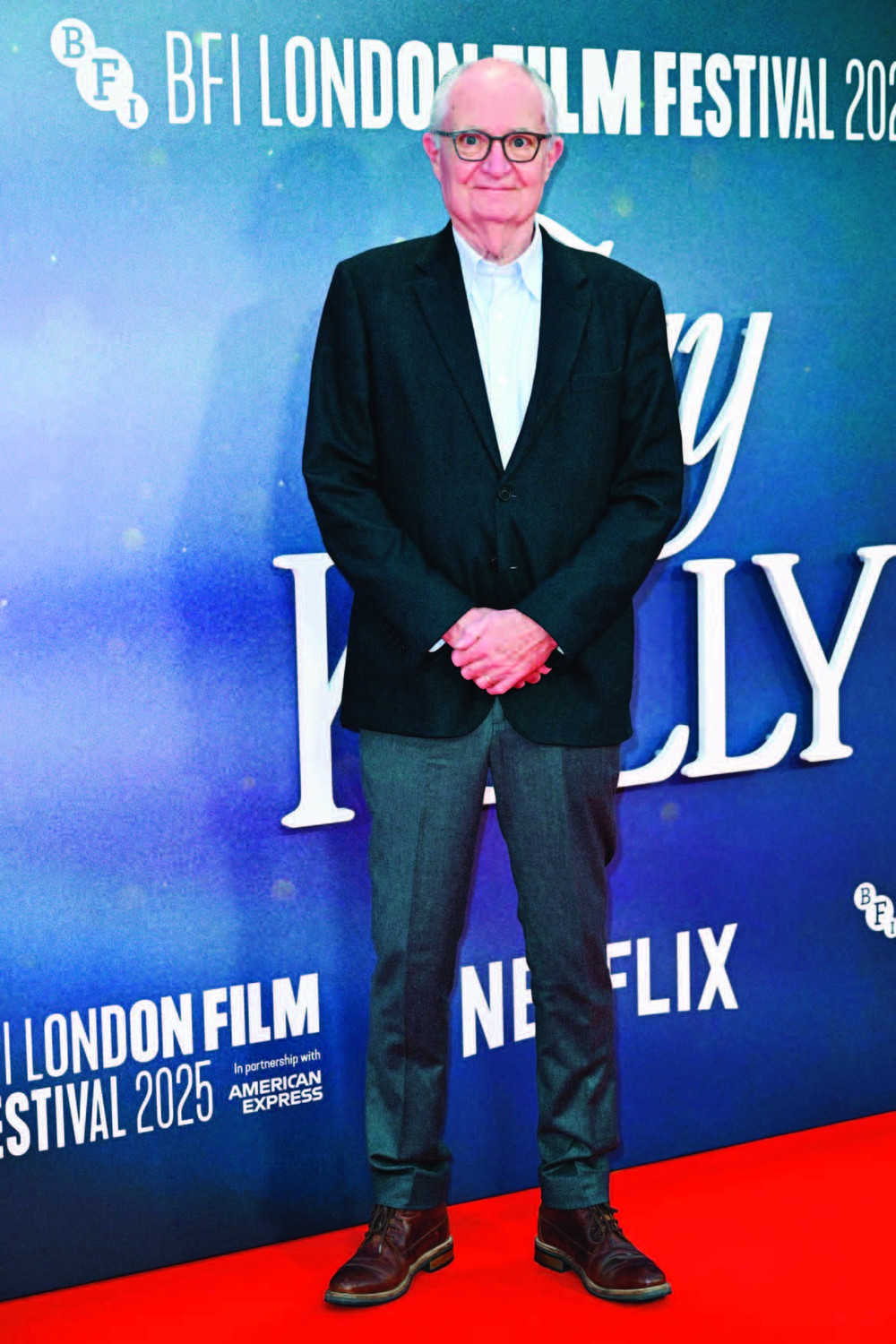
9. Jim Broadbent
Film, Television and Theatre | Born 1949 | Born: Holton cum Beckering
The Oscar-winning actor who can become almost anyone
Jim Broadbent can walk onto a screen and feel immediately familiar, yet audiences never know what kind of character he will become. A pompous theatre owner, kindly father, corrupt policeman, magical professor or grieving husband: Broadbent has played them all.
He was born in Holton cum Beckering, near Market Rasen, in 1949. His parents, Roy and Dee, were artists involved in amateur theatre and helped create the Holton Players, connected with what became the Broadbent Theatre.
After training at the London Academy of Music and Dramatic Art, Broadbent built his reputation across stage, television and film. He became especially skilled at characters in whom comedy and sadness existed together.
The year 2001 demonstrated his extraordinary range. In Bridget Jones’s Diary, he played Bridget’s gentle, bewildered father. In Moulin Rouge!, he became flamboyant nightclub owner Harold Zidler. In Iris, opposite Judi Dench, he portrayed John Bayley watching his wife Iris Murdoch’s brilliant mind disappear through Alzheimer’s disease. The performance won the Academy Award for Best Supporting Actor.
Further roles included Professor Horace Slughorn in the Harry Potter films, Denis Thatcher in The Iron Lady, characters in The Damned United and Paddington, and acclaimed television and theatre work.
Broadbent never reinvented himself as a conventional Hollywood celebrity. Instead, he became the actor whose name in a cast list reassures audiences that they are in safe hands. One of Britain’s few Oscar winners was born not in a great city but in a tiny Lincolnshire village—a wonderfully understated origin for an exceptional career.
8. Bernie Taupin
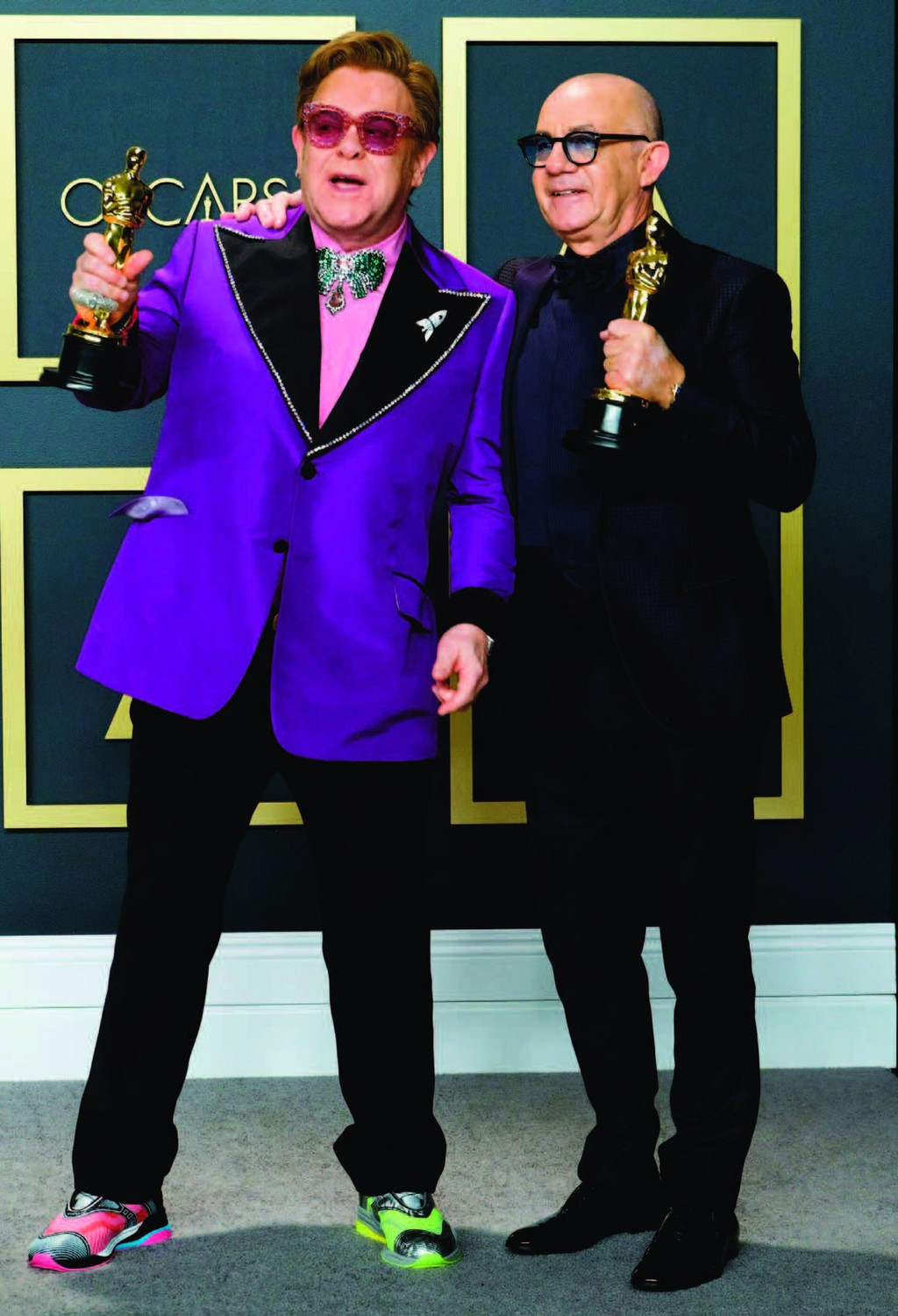
Music and Songwriting | Born 1950 | Born: near Sleaford
The Lincolnshire lyricist behind Elton John’s greatest songs
“It’s a little bit funny, this feeling inside.” The opening words of Your Song summon an Elton John melody almost instantly. But Elton did not write those words. Bernie Taupin did.
Bernard John Taupin was born in 1950 at Flatters House, a farmhouse between Anwick and Sleaford, and grew up in rural Lincolnshire. Poetry and storytelling interested him early, while American country, blues and folk music filled his imagination with distant landscapes.
At 17, Taupin answered a 1967 advertisement in the New Musical Express seeking songwriters. Another unsuccessful applicant was Reginald Dwight. Someone at Liberty Records brought them together. Dwight became Elton John, and one of popular music’s greatest creative partnerships began almost by accident.
Their method was remarkably simple: Taupin wrote lyrics and Elton composed the music, often without them sharing a room. Taupin could hand over a page of words and watch Elton discover its chords and melody at the piano.
The results became cultural landmarks: Your Song, Tiny Dancer, Rocket Man, Crocodile Rock, Daniel, Goodbye Yellow Brick Road, Bennie and the Jets, Don’t Let the Sun Go Down on Me and Candle in the Wind.
Originally written about Marilyn Monroe, Candle in the Wind was rewritten after the death of Diana, Princess of Wales. Elton performed it at her funeral, and the recording became one of history’s biggest-selling singles.
Elton was the flamboyant public face, but Taupin supplied the imagery and emotion. Their partnership endured for decades, beginning when a Lincolnshire teenager answered a music-paper advertisement and sent his words out into the world.
7. John Wesley
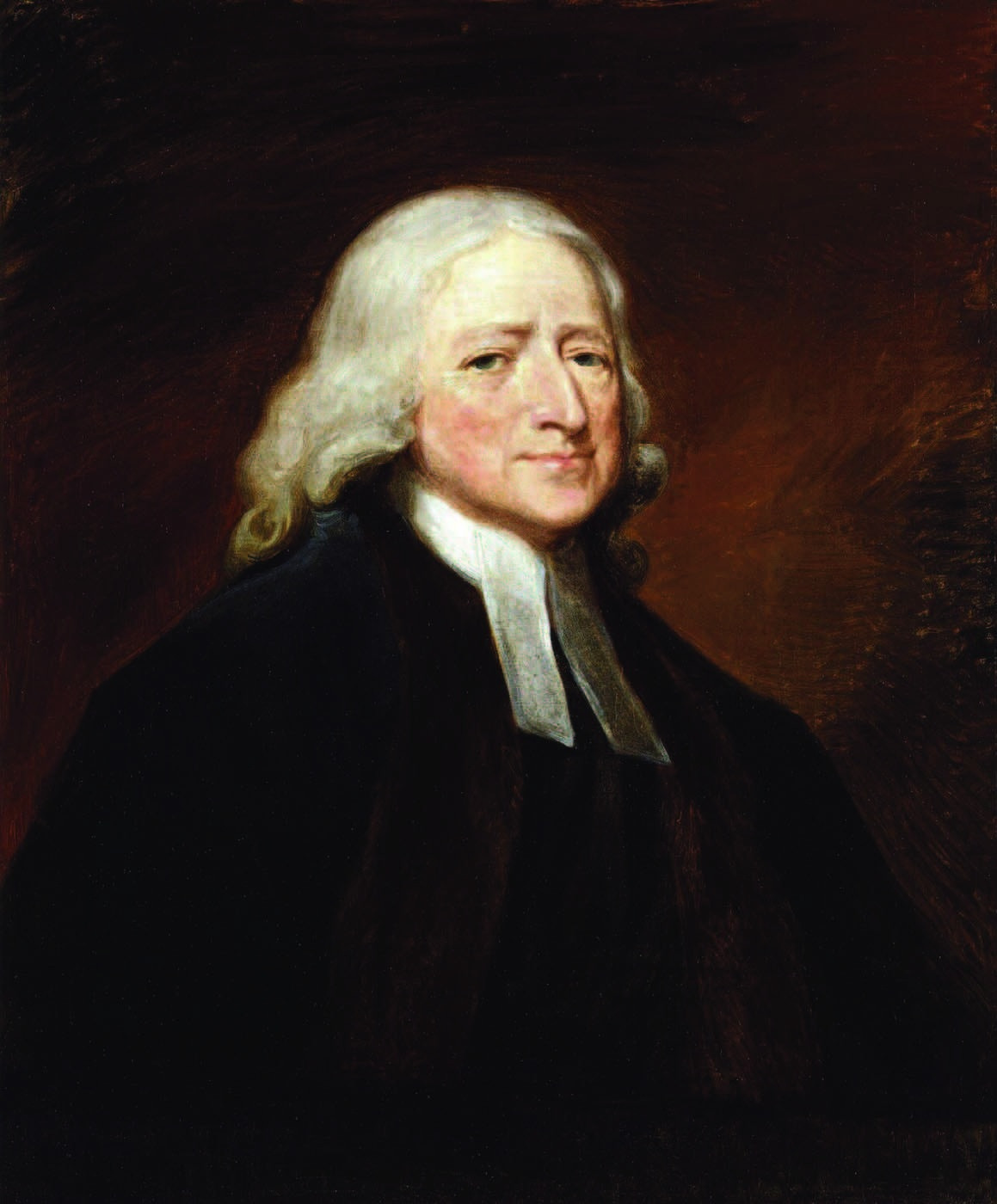
Religion and Social History | 1703–1791 | Born: Epworth
The clergyman whose Methodist movement spread around the world
John Wesley nearly died before his influence began. When he was six, Epworth Rectory caught fire and he became trapped upstairs. Neighbours formed a human ladder and pulled him from a window shortly before the roof collapsed. His mother, Susanna, believed he had been preserved for a special purpose.
Born at the rectory in 1703, Wesley studied at Oxford and became an Anglican clergyman. There he joined a group—including his brother Charles—whose disciplined prayer, study, fasting and prison visits prompted other students to mock them as “Methodists.” The nickname endured.
After a difficult missionary period in colonial Georgia, Wesley returned to England discouraged. In May 1738, at a meeting in Aldersgate Street, London, he experienced the spiritual moment he described as feeling his heart “strangely warmed.”
Wesley began preaching outside conventional churches to labourers and industrial workers who often felt ignored by the established church. He travelled astonishing distances on horseback, speaking in fields, marketplaces, mining communities and villages.
In 1742, Wesley returned to Epworth but was refused permission to preach in the parish church. He walked into the churchyard, stood on his father’s tomb and addressed the crowd—one of Methodism’s most symbolic moments.
He organised converts into societies and small groups, creating a structure that allowed the movement to expand. Charles supplied thousands of hymns; John supplied relentless organisation and preaching.
Methodism eventually developed beyond the Church of England and spread worldwide. Epworth Rectory still stands, preserving the beginning of a movement that now reaches millions. A child rescued from a burning Lincolnshire home became one of Protestant Christianity’s great organisers.
6. Matthew Flinders
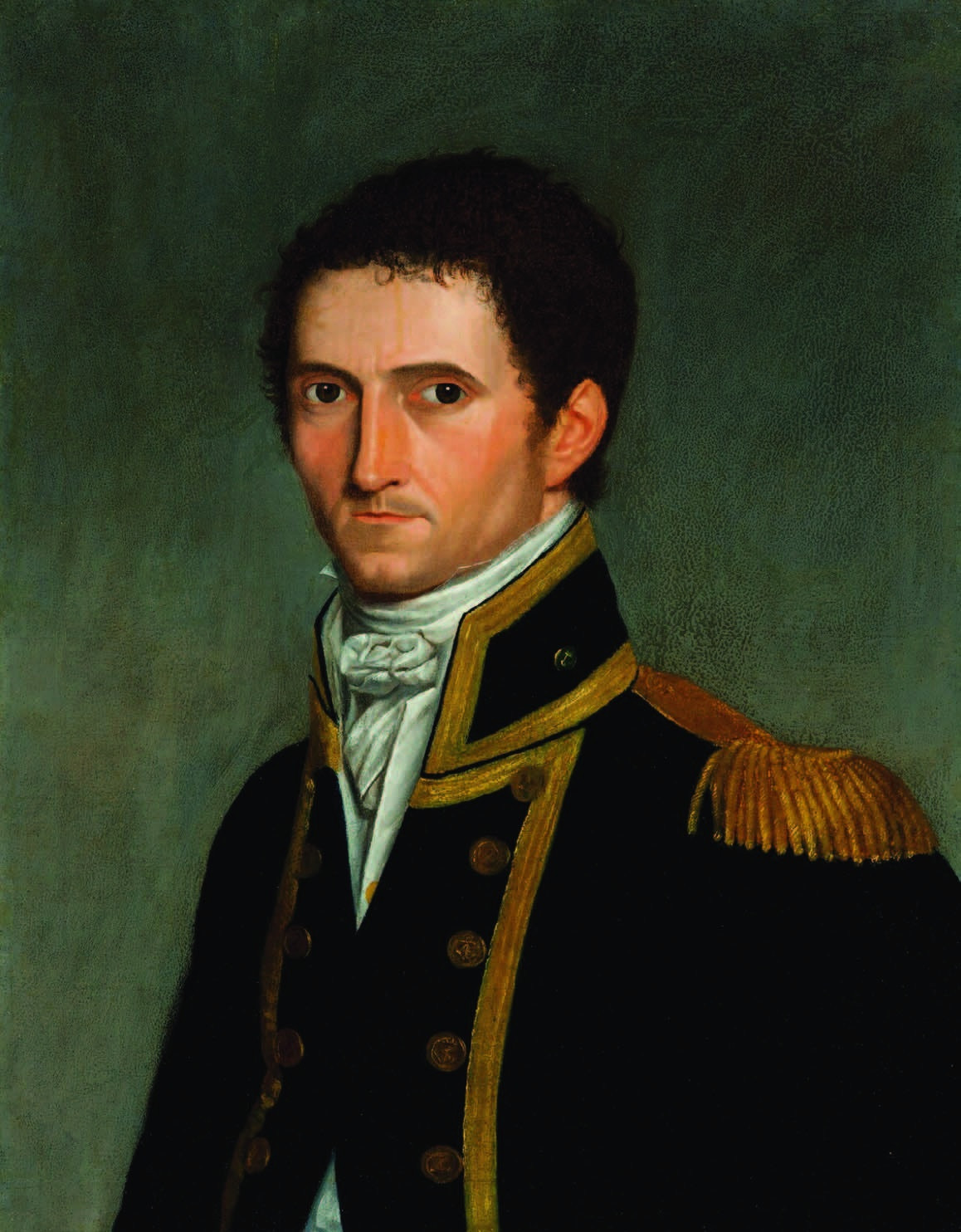
Exploration and Cartography | 1774–1814 | Born: Donington
The navigator who put Australia on the map—literally
Flinders University, the Flinders Ranges and numerous Australian landmarks preserve the name of a Lincolnshire explorer. Matthew Flinders was born at Donington in 1774, the son of a surgeon-apothecary. His father expected him to enter medicine; inspired partly by Robinson Crusoe, Matthew joined the Royal Navy at 15.
In 1795, Flinders sailed to New South Wales and met fellow Lincolnshire adventurer George Bass. Together they charted the coast in tiny vessels, including a boat called Tom Thumb. In 1798–99, they circumnavigated Van Diemen’s Land, proving that modern Tasmania was an island. Bass Strait honoured his companion.
Flinders then pursued a greater ambition. Commanding HMS Investigator from 1801, he circumnavigated mainland Australia and surveyed vast stretches of coastline, producing the first complete map of the continent. He also championed one name for the southern land: Australia. The word predated him, but his maps and advocacy helped establish it.
Returning to Britain, Flinders stopped at French-controlled Mauritius. Although travelling as an explorer, he was detained for more than six years because Britain and France were at war. He finally returned home in 1810 with his health badly damaged.
His account, A Voyage to Terra Australis, appeared on 18 July 1814. Flinders died the following day, aged 40.
Even his burial became an adventure. His London grave disappeared during redevelopment and was rediscovered by HS2 archaeologists in 2019. In 2024, his remains returned to Donington for reburial in the village church.
The boy left Lincolnshire dreaming of adventure, mapped a continent and, two centuries after his death, finally came home.
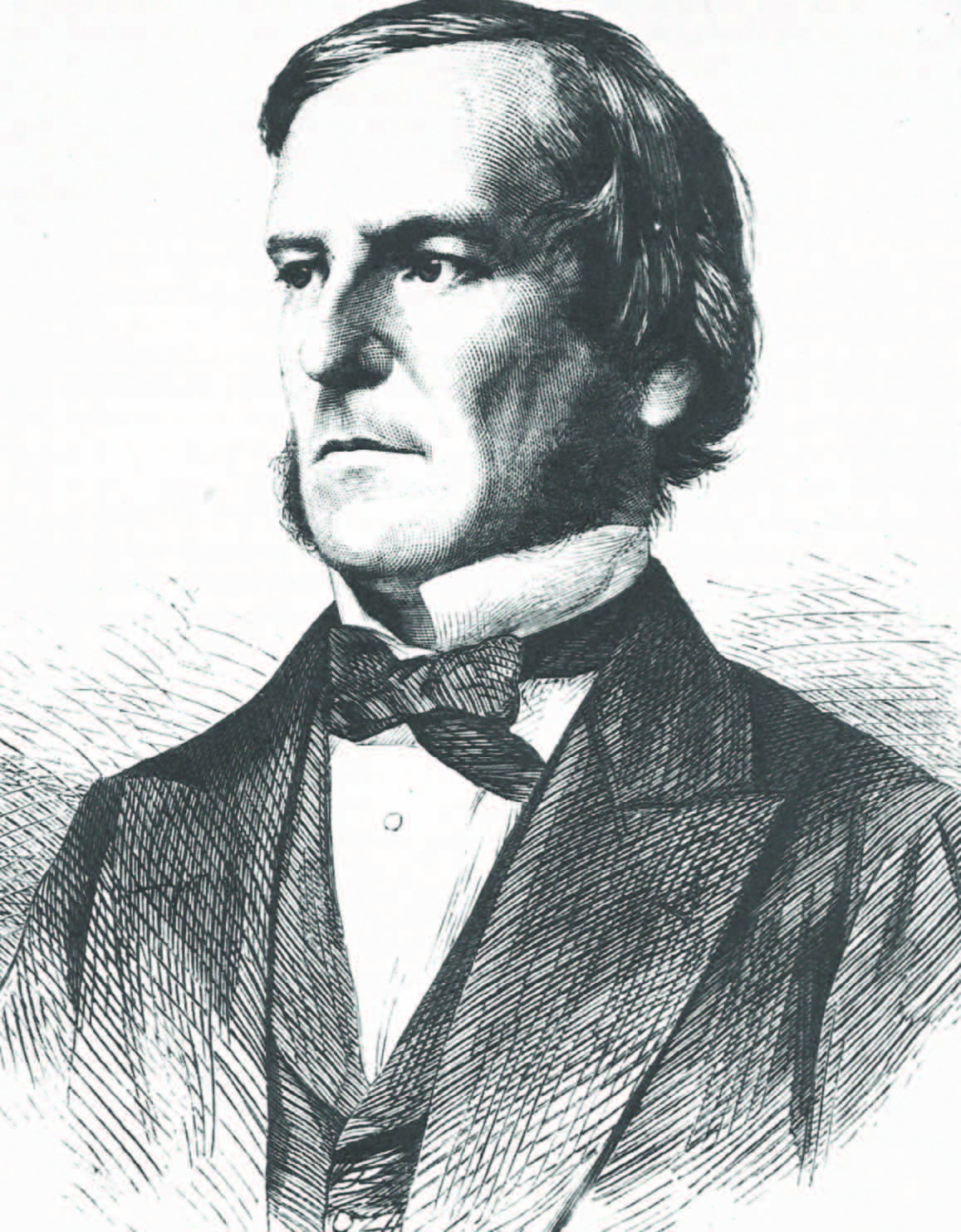
5. George Boole
Mathematics and Computing | 1815–1864 | Born: Lincoln
The self-taught mathematician whose logic made the digital world possible
Every search query, smartphone and computer depends upon ideas associated with a man born in Lincoln before electronic computing existed.
George Boole was born in 1815, the son of a shoemaker with an amateur passion for science and mathematics. The family had little money and Boole never attended university as a student. Instead, he taught himself Latin, Greek, French, German and advanced mathematics.
At 16, financial pressure forced him to work as an assistant teacher. By 19, he had opened his own school in Lincoln. During evenings and spare hours, he studied mathematics far beyond the level required for his pupils. His work attracted national attention, and in 1844 the Royal Society awarded him its Royal Medal.
Five years later, Queen’s College Cork appointed Boole as its first Professor of Mathematics despite his lack of a degree. His reputation was impossible to ignore.
In 1854, Boole published An Investigation of the Laws of Thought. He showed that logic could be expressed algebraically. Statements could be treated through a formal system built around conditions such as true or false, yes or no, on or off.
In the electronic age, that binary logic became fundamental. A switch can represent one or zero; combine billions of such decisions and modern computers become possible. The system is now called Boolean algebra. Database commands such as AND, OR and NOT remain Boolean operators.
Boole died from pneumonia in 1864, aged only 49. He never saw a computer, telephone or radio, yet the language developed by a self-taught Lincoln schoolmaster became a foundation of digital technology.
Newton explained laws governing the physical universe. Boole helped create a logical language for the digital one.
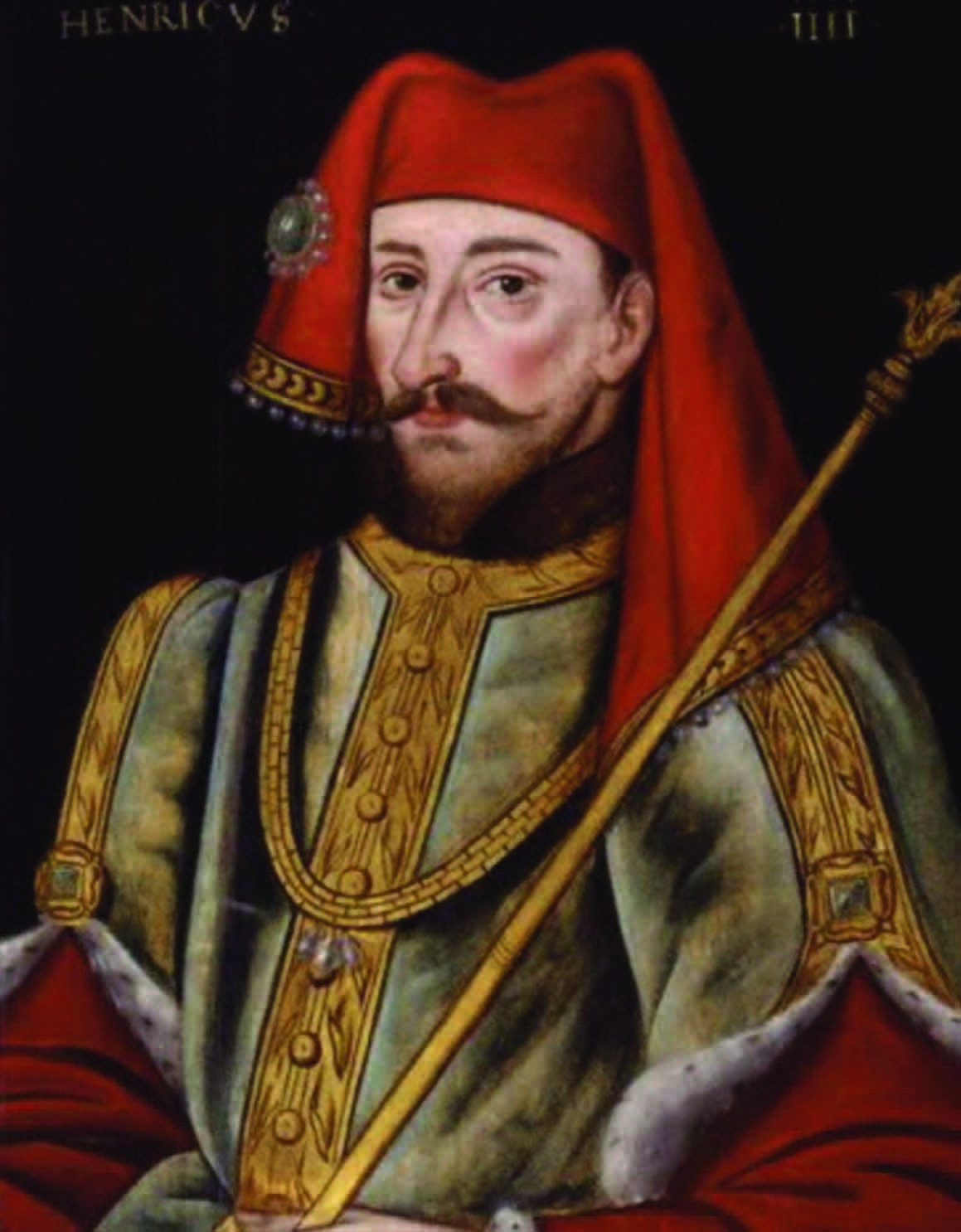
4. King Henry IV
Royalty and History | 1367–1413 | Born: Bolingbroke Castle
The Lincolnshire boy who became King of England
England’s medieval monarchs sound as though they should have been born in royal palaces. Henry IV was born in a quiet Lincolnshire village.
On 3 April 1367, Blanche of Lancaster gave birth at Bolingbroke Castle to a son of John of Gaunt, one of medieval Europe’s most powerful men. The child became known by his birthplace: Henry Bolingbroke.
The crown passed from Edward III to Henry’s cousin Richard II. Henry grew into a celebrated aristocratic warrior, travelling widely and campaigning with the Teutonic Knights in Lithuania. His relationship with Richard, however, became increasingly dangerous, and Henry was exiled.
When John of Gaunt died in 1399, Richard seized the Lancastrian inheritance. Henry returned to England, initially claiming only to want his property. Support flooded towards him, Richard’s position collapsed and the king was deposed. On 13 October 1399, the boy from Bolingbroke Castle was crowned Henry IV at Westminster Abbey.
His seizure of the throne created lasting political instability. Rebellions marked his reign, including Owain Glyndŵr’s uprising in Wales and the Percy revolt that led to the Battle of Shrewsbury. Shakespeare later turned these struggles into Richard II and the two parts of Henry IV, placing Lincolnshire’s king beside the fictional Sir John Falstaff.
Illness dominated Henry’s final years. Tradition said he would die in Jerusalem. In 1413, he collapsed at Westminster Abbey and was carried into a room called the Jerusalem Chamber, where he died aged 45.
His son became Henry V, victor of Agincourt, but Henry IV established the Lancastrian monarchy. Ruins of Bolingbroke Castle still stand where this extraordinary journey began.
Many Lincolnshire legends gained fame or titles. Only one became King of England—and he still finishes fourth.
The Final Three
The final places belong to three monumental figures: a poet whose words entered everyday language, a Prime Minister who reshaped modern Britain and a scientist who transformed humanity’s understanding of the universe.
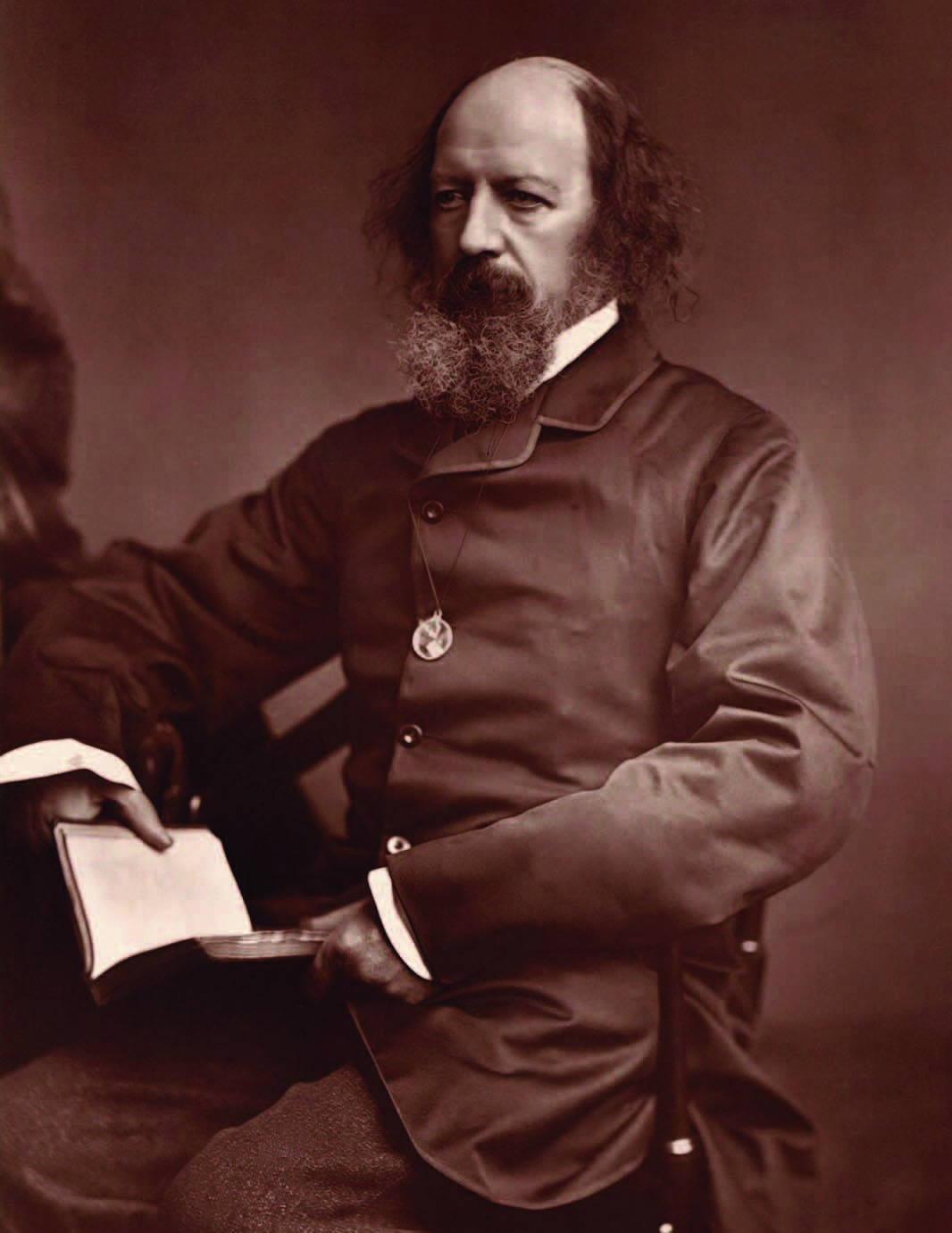
3. Alfred, Lord Tennyson
Literature | 1809–1892 | Born: Somersby
The Lincolnshire poet who became the voice of Victorian Britain
“’Tis better to have loved and lost, than never to have loved at all.”
“Theirs not to reason why, theirs but to do and die.”
“To strive, to seek, to find, and not to yield.”
Few writers have sent so many lines out of poetry and into everyday speech. All three belong to Alfred, Lord Tennyson—a Lincolnshire clergyman’s son who became Poet Laureate, confidant to a Queen and the voice of Victorian Britain.
Tennyson was born at Somersby on 6 August 1809, the fourth surviving son of the Reverend George Clayton Tennyson and his wife, Elizabeth. The streams, churches, woods and rolling fields of the Lincolnshire Wolds shaped him profoundly. Their rhythms, weather and changing seasons later gave his poetry its intensely visual, musical character.
Home life was less peaceful. His intelligent but troubled father was embittered by family circumstances, and alcohol, mental illness and instability touched the wider family. Alfred escaped into words, writing from childhood. At 17, he and his brothers Charles and Frederick published Poems by Two Brothers, much of it Alfred’s work.
At Trinity College, Cambridge, Tennyson joined the brilliant circle around the Cambridge Apostles and met Arthur Henry Hallam. Hallam became his closest friend and was engaged to Tennyson’s sister Emily. Then, in 1833, he died suddenly from a cerebral haemorrhage, aged just 22.
Tennyson was devastated. For 17 years he worked through that grief in poems exploring death, love, memory, nature, faith and doubt. Published in 1850 as In Memoriam A.H.H., the sequence spoke powerfully to a society unsettled by new discoveries in geology and evolution. It offered no easy certainty; instead, belief and doubt existed side by side. Readers—including Prince Albert and Queen Victoria—recognised their own anxieties in it.
The year 1850 transformed Tennyson’s life. In Memoriam appeared; he finally married Emily Sellwood after years of financial uncertainty; and, following Wordsworth’s death, Queen Victoria appointed him Poet Laureate. He held the post for 42 years, longer than anyone before or since.
Victorian Britain expected its national poet to give language to an age of industry, empire, war and scientific upheaval. Tennyson’s most famous response to current events came during the Crimean War. After around 670 British cavalrymen charged into Russian guns at Balaclava, he wrote The Charge of the Light Brigade. Its pounding rhythm mimicked galloping horses and turned a disastrous order into an enduring tribute to courage.
Elsewhere, he looked backwards. In Idylls of the King, his retelling of the Arthurian legends, Camelot became a stage for Victorian concerns about loyalty, temptation, duty and moral collapse. Tennyson dedicated the work to Prince Albert. After Albert’s death in 1861, his poetry brought Queen Victoria genuine comfort, and grief created an unusual bond between monarch and poet.
Tennyson’s fame became immense. Tall, long-haired, bearded and wrapped in a cloak, he looked like the public’s idea of a prophet. Admirers travelled simply to see him, attention he often hated. He and Emily moved to Farringford on the Isle of Wight, later acquiring Aldworth in Surrey, yet Somersby remained the landscape beneath his imagination.
He composed while walking, repeating lines until the sound pleased him. Extremely short-sighted, he often built poems in his head before writing them down. That exceptional ear explains the staying power of The Brook, with its refrain “For men may come and men may go, but I go on for ever,” and Ulysses, whose ageing hero refuses to surrender: “To strive, to seek, to find, and not to yield.”
In 1884, Tennyson accepted a peerage, becoming the first British writer elevated principally for literary achievement. He died at Aldworth on 6 October 1892, aged 83, with his family around him and Shakespeare nearby. Thousands gathered for his funeral at Westminster Abbey, where he was buried in Poets’ Corner. His late poem Crossing the Bar, his meditation on the final journey, formed part of the service.
Why only number three? Because Lincolnshire produced two figures whose influence stretched beyond literature into politics and the physical universe. Yet Tennyson gave Victorian Britain a voice—and his finest words, rooted in love, loss and the Lincolnshire landscape, still go on.
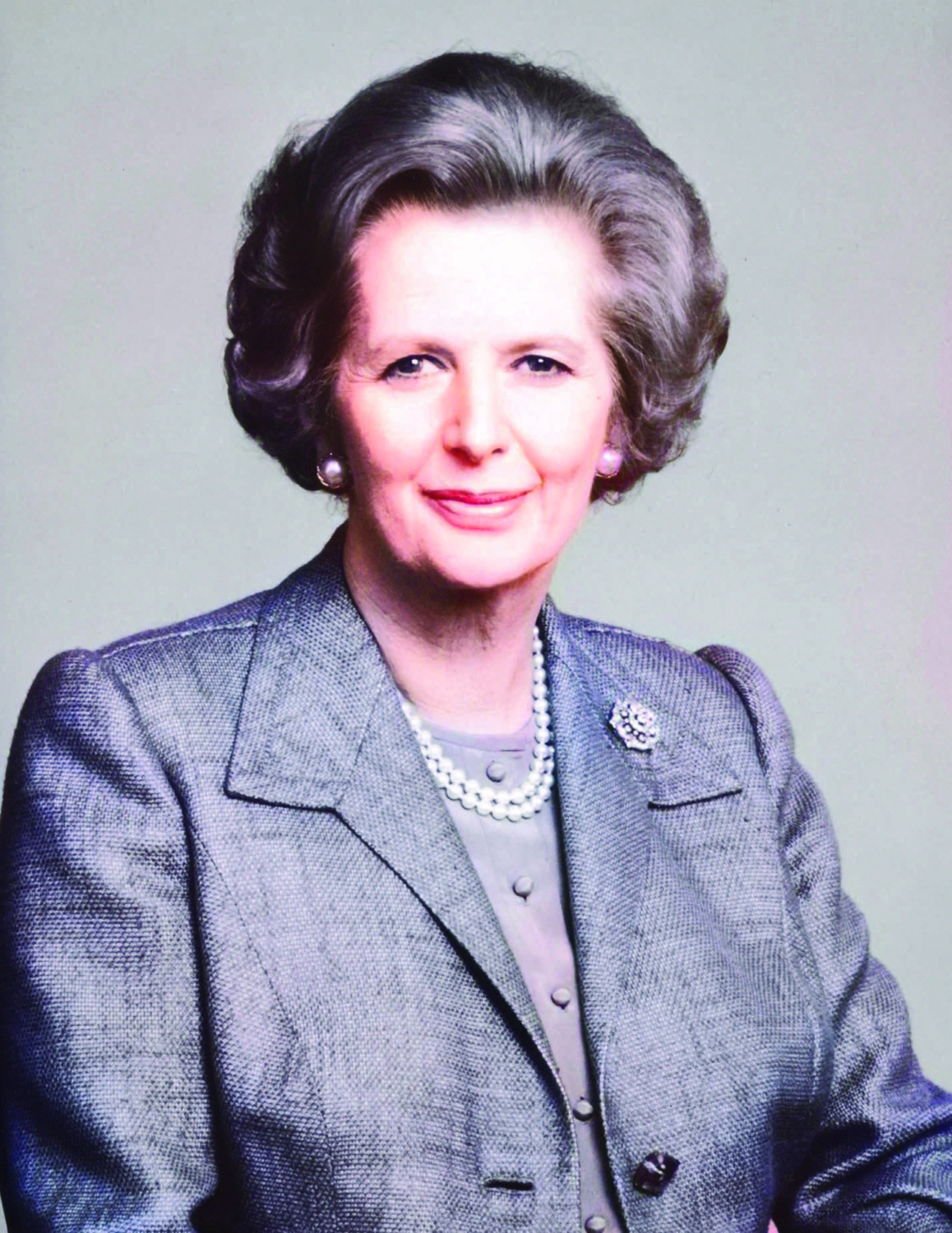
2. Margaret Thatcher
Politics | 1925–2013 | Born: Grantham
The grocer’s daughter who became Britain’s first female Prime Minister
Few political figures divide opinion like Margaret Thatcher. Admirers say she revived Britain, confronted union power, expanded home ownership, won the Falklands War and helped the West win the Cold War. Critics remember deindustrialisation, unemployment, inequality and scarred communities. Decades after she left Downing Street, the arguments continue.
Thatcher was not simply another Prime Minister. She became an era—and it began above a grocery shop in Grantham.
Margaret Hilda Roberts was born on 13 October 1925, the second daughter of Alfred and Beatrice Roberts. Her father was a grocer, Methodist lay preacher, councillor and Mayor. Margaret helped in the shop, absorbing his belief in thrift, work, public service and personal responsibility—later the language of Thatcherism.
She helped the Conservatives during the 1935 election, aged ten, then attended Kesteven and Grantham Girls’ School. In 1943, she studied chemistry at Oxford under future Nobel laureate Dorothy Hodgkin. Science suited a political style built on facts, preparation and detail.
After graduating, Roberts worked as a research chemist and became president of Oxford’s Conservative Association. At 24, she fought the safe Labour seat of Dartford. She lost twice but attracted attention. During the campaign, she met businessman Denis Thatcher; they married in 1951 and had twins. Margaret then qualified as a tax and patent barrister.
Elected MP for Finchley in 1959, she rose to become Edward Heath’s Education Secretary. Ending free school milk for older primary pupils earned her the nickname “Margaret Thatcher, Milk Snatcher.” She did not retreat.
In 1975, she challenged Heath and became the first woman to lead a major British party. The next year, a Soviet newspaper called her the “Iron Lady.” The insult became her identity.
Amid inflation, industrial conflict and the Winter of Discontent, the Conservatives won in 1979. On 4 May, Thatcher entered Downing Street as Britain’s first female Prime Minister.
Her government broke with the post-war consensus, prioritising inflation control, spending restraint, reduced state ownership and curbs on union power. Interest rates rose, manufacturing contracted and unemployment passed three million. Supporters said uncompetitive industries needed painful reform. Critics watched factories close and communities lose jobs and hope.
When Argentina invaded the Falkland Islands in 1982, Thatcher sent a naval task force 8,000 miles south. Britain retook them after a ten-week war that killed 255 British personnel, three islanders and hundreds of Argentinians. Victory transformed her standing and helped deliver a 1983 landslide.
Her bitterest domestic battle followed. The 1984–85 miners’ strike pitted government against the National Union of Mineworkers and coalfield communities. After a year of confrontation and hardship, the miners returned without victory. Supporters said elected government had defeated union dominance. Many mining families believed Thatcher destroyed their way of life.
Her governments privatised telecoms, gas, aviation, water and electricity. Right to Buy enabled millions of council tenants to purchase homes, but depleted social housing because properties were not replaced at scale. The 1986 Big Bang strengthened London’s financial sector while deepening regional inequality.
Thatcher won again in 1987—her third consecutive victory. She allied closely with Ronald Reagan and recognised Soviet reformer Mikhail Gorbachev as someone the West “could do business” with. She became prominent in the Cold War’s final phase, while her resistance to European integration reshaped Conservative politics.
The poll tax, European divisions and her uncompromising leadership turned colleagues against her. After Geoffrey Howe resigned and Michael Heseltine challenged her, Cabinet support collapsed. Thatcher resigned in November 1990 after 11 years and 209 days—the 20th century’s longest continuous premiership.
Created Baroness Thatcher of Kesteven in 1992, she remained influential until her health declined. She wrote memoirs, spoke internationally and received the Order of Merit and Order of the Garter. She died on 8 April 2013, aged 87. Some mourned; others celebrated—proof of how deeply she divided Britain. Her ceremonial funeral at St Paul’s Cathedral was attended by Queen Elizabeth II.
She changed the economy, weakened organised labour, expanded ownership, elevated finance and moved politics towards free markets. The costs were equally real. Britain’s first female Prime Minister did not merely occupy power: the Grantham grocer’s daughter remade it.
1. Sir Isaac Newton
Science and Mathematics | 1643–1727 | Born: Woolsthorpe-by-Colsterworth
The Lincolnshire farm boy who explained the universe
There could only be one. Isaac Newton changed humanity’s understanding of the universe. He explained why an apple falls and why the Moon does not, created laws of motion that underpin engineering, transformed optics, developed calculus and built the first practical reflecting telescope—all from ideas born in a Lincolnshire farmhouse.
Newton was born prematurely at Woolsthorpe Manor on Christmas Day 1642 under England’s calendar—4 January 1643 today. His father had died three months earlier, and the baby was reportedly small enough for a quart mug. When his mother remarried, three-year-old Isaac remained with his grandmother. The separation may have shaped his private, suspicious and combative character.
At 12, he attended The King’s School, Grantham, lodging with an apothecary and building models, sundials and water clocks. His mother later removed him to manage the farm, but Newton was hopelessly uninterested. A schoolmaster persuaded her to send him back. The farm lost a labourer; the world gained Newton.
He entered Trinity College, Cambridge, in 1661. While its curriculum remained rooted in Aristotle, Newton read Descartes, Galileo, Kepler and Boyle, then moved beyond them. When plague closed Cambridge in 1665, he returned to Woolsthorpe. His two isolated “years of wonders” produced ideas about calculus, light, motion and gravity.
The apple did not hit his head. But Newton recalled watching one fall and asking: why towards Earth’s centre? How far did that attraction extend? Could it reach the Moon? His breakthrough was showing that the force pulling an apple earthwards also governs planets and moons. Heaven and Earth obeyed the same mathematical laws.
The clearest example was the Moon. Newton realised an orbiting body is continually falling towards Earth while moving fast enough to keep missing it. The same gravity that drops a Lincolnshire apple therefore holds the Moon in its path—a breathtaking union of the ordinary and cosmic. It made the universe seem knowable through mathematics rather than mystery.
The 400-year-old Flower of Kent apple tree linked to that insight still grows at Woolsthorpe. Blown down in the 19th century, it rerooted and survived; descendants now grow at scientific institutions worldwide.
Passing sunlight through a prism, Newton showed that white light contains a spectrum; glass separated colours rather than creating them. Because lenses produced coloured fringes, he designed a curved-mirror telescope. His successful 1668 instrument established a principle still used today.
Newton also developed “fluxions,” now calculus, for analysing changing quantities. Gottfried Wilhelm Leibniz independently developed and published another method, triggering a vicious priority dispute. As Royal Society President, Newton influenced its supposedly impartial report favouring him. Historians credit both men; mathematicians largely use Leibniz’s notation.
Newton was equally unforgiving towards Robert Hooke, his rival over optics and gravity. Criticism could make him withdraw, retaliate and nurse grievances. Genius did not make him generous.
Encouraged by astronomer Edmond Halley, Newton published his supreme achievement: the 1687 Principia. It set out universal gravitation and three laws of motion—inertia; the relationship between force, mass and acceleration; and equal and opposite reaction. Together they explained falling bodies, tides, cannonballs, comets and orbits. Kepler described how planets moved. Newton explained why.
Yet the father of classical physics was stranger than the textbook hero. He studied alchemy, theology, biblical prophecy and ancient chronology, privately rejecting the Trinity. For Newton, science, religion and hidden knowledge were not neatly separated.
In 1696, he left Cambridge for the Royal Mint. Tackling clipped coins and counterfeiting, Newton became a meticulous investigator, pursuing William Chaloner to conviction and execution. Appointed Master in 1699, he served for life. He became Royal Society President in 1703 and was knighted in 1705.
Newton died in London in 1727, aged 84, and was buried in Westminster Abbey. Einstein showed Newtonian gravity was not the final word at extreme speeds and scales. Yet Newton’s laws remain accurate for engineering, from bridges and aircraft to spacecraft.
That is why Woolsthorpe matters. From that modest farmhouse, Newton united Earth and sky in a single system. Three centuries later, humans reached the Moon using calculations rooted in his laws. Lincolnshire produced many legends. Newton gave the world a new universe.
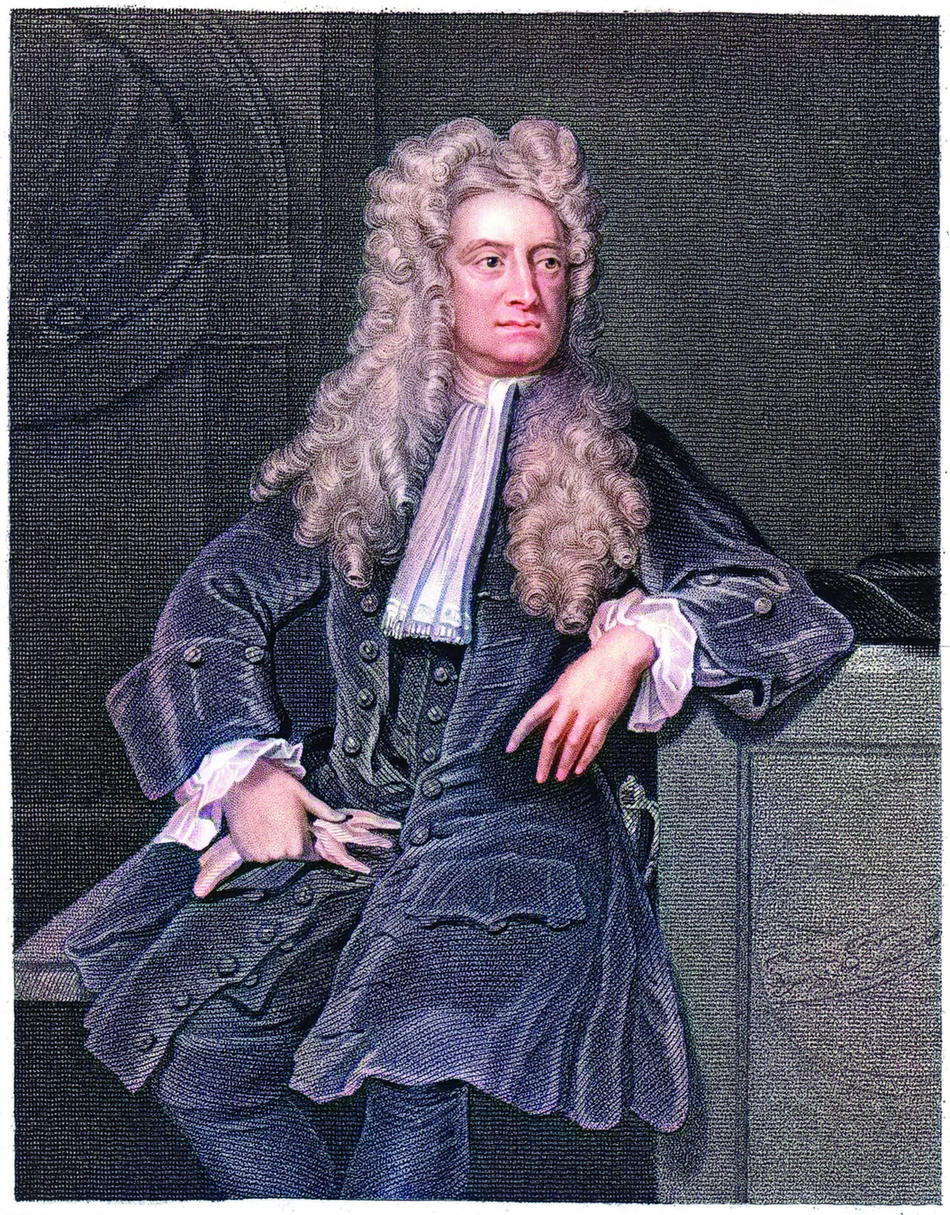
Why Lincolnshire Has Produced So Many Remarkable People
This countdown stretches from medieval royalty to digital technology, from the Arctic to Australia and from the stages of Vienna to the football grounds of Europe. Its 50 lives resist any single explanation.
Lincolnshire has been rural without being isolated, connected by ports, market towns, military bases, schools, churches and ambitious communities. Some of its greatest figures remained closely tied to the county. Others left young and built their reputations elsewhere. What unites them is not a single profession or personality, but the scale of their impact.
Frank Bramley placed Lincolnshire training inside the national art collection. Chad Varah turned the need to listen into a global humanitarian service. George Boole supplied the logic of modern computing. Margaret Thatcher altered the direction of Britain. Isaac Newton changed the way humanity understands physical reality.
The ranking will—and should—cause disagreement. But it demonstrates something beyond argument: the story of Lincolnshire is woven deeply into the history of Britain and the wider world.
Frequently Asked Questions About Famous People from Lincolnshire
Who is the greatest person born in Lincolnshire?
Sir Isaac Newton takes first place in this ranking. Born at Woolsthorpe Manor, Newton established the laws of motion and universal gravitation, transformed optics and helped develop calculus. Few individuals from any county have changed human knowledge more profoundly.
Which British Prime Minister was born in Lincolnshire?
Margaret Thatcher was born in Grantham in 1925. She became Britain’s first female Prime Minister in 1979 and served for more than 11 years, winning three consecutive general elections.
Which King of England was born in Lincolnshire?
Henry IV was born at Bolingbroke Castle in 1367. Known originally as Henry Bolingbroke, he deposed Richard II and was crowned King of England in 1399.
Which famous writers were born in Lincolnshire?
Lincolnshire writers include Alfred, Lord Tennyson, Poet Laureate for 42 years; Inspector Morse creator Colin Dexter; poets Elizabeth Jennings and Vernon Scannell; and several major songwriters and hymn writers, including Bernie Taupin, Rod Temperton and Charles Wesley.
Which scientists and mathematicians came from Lincolnshire?
The county’s most influential scientific figures include Sir Isaac Newton and George Boole. Newton transformed physics and mathematics, while Boolean algebra became a foundation of digital computing and modern search technology.
READ LINCOLNSHIRE PRIDE FREE OF CHARGE ONLINE EVERY MONTH – PRIDE MAGAZINES
ADVERTISE YOUR BUSINESS IN PRIDE
The Luxury Lifestyle Magazines for Lincolnshire, Rutland & Stamford
SINCE 2002, OUR LOCALLY CRAFTED MAGAZINES HAVE BEEN METICULOUSLY CURATED FOR DISCERNING READERS, GRACING THE COFFEE TABLES OF THE MOST AFFLUENT.
Advertising in Pride Magazines offers unparalleled access to the region’s wealthiest readers, connecting your brand with affluent households across Lincolnshire, Rutland, and Stamford.
Delivered directly by Royal Mail, our magazines reach homes in the top three council tax bands safely and reliably.
Our extensive subscriber base ensures that our magazines reach high visibility areas, including the reception areas of luxury motor dealerships, local businesses, golf clubs, dental reception areas, private hospitals, and many other premium outlets.
With beautifully designed pages and a focus on luxury living, our publications are the ideal setting to showcase premium products and services. From exclusive dining experiences to high end automotive brands, advertising in Pride Magazines places your business in an environment that celebrates the best of British lifestyle.
ADVERTISE YOUR BUSINESS IN PRIDE