A Taste of Lincolnshire: The County’s Food & Drink Heroes
From cereal fields and sugar beet to potatoes and brassicas, to meat, dairy and award-winning cheese melted into Plum Loaf, via sausages haslet and stuffed chine… here we present our guide to the county’s food and drink producers
Cereals and vegetables
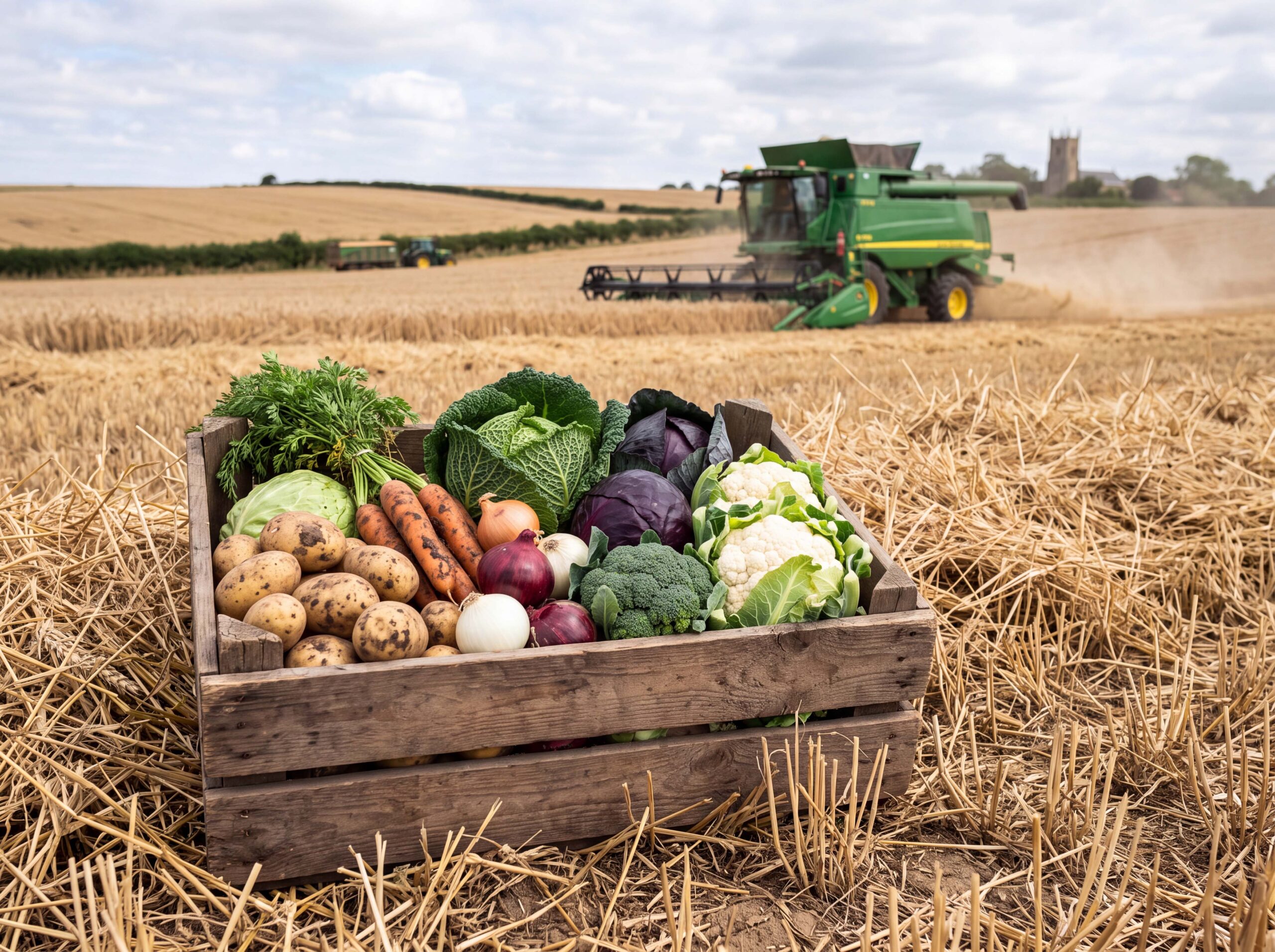
Around 250,000 hectares of Lincolnshire’s farmland are devoted to cereal production, with Lincolnshire producing approximately 11 per cent of the nation’s wheat, as well as barley for some of Britain’s best known beers and oats for cereals too.
Lincolnshire also produces 1.7 million tonnes of sugar each year, with approximately 1.2 million tonnes produced from sugar beet. Thousands of growers supply British Sugar’s factories, including nearby Newark, between September and March, producing sugar sold under the Silver Spoon brand.
The fertile Fenland soils also produce around one fifth of England’s fresh vegetables: 13% of the UK’s potatoes, 10% of its peas plus root veg and brassicas, whilst Lincolnshire grows around 10 per cent of the nation’s peas. The largest producers are Lincolnshire Field Products (16,000 acres), Clements (12,500 acres) and Staples (10,000 acres).
Butchery and fish
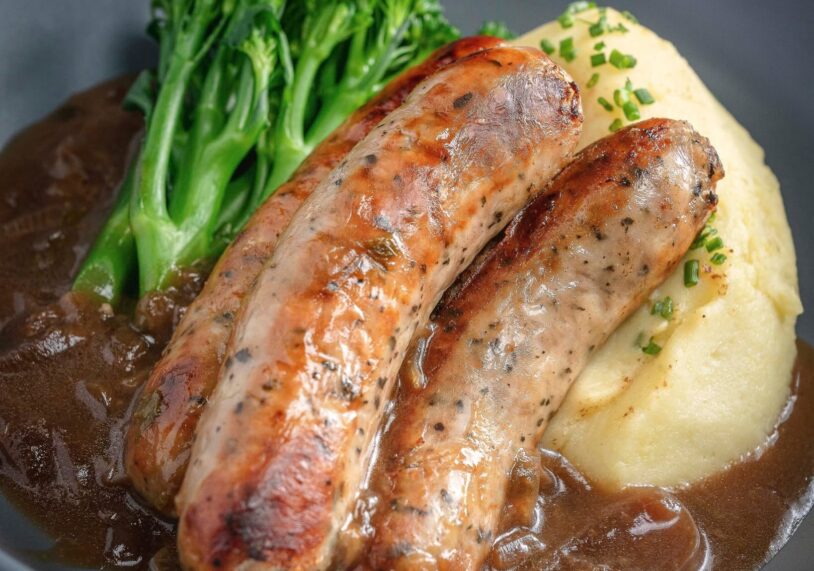
The county’s famous Lincolnshire sausage is protected by tradition rather than legislation, recognised for its natural casings, generous seasoning with sage and a distinctive hint of white pepper. Out of the county, other Lincolnshire delicacies, from haslet to stuffed chine, are less well known.
Among our favourite local butchers is Boston Sausage at Abbey Parks Farm Shop, East Heckington, where the Mountains family has earned an outstanding reputation for traditional sausages, pies and locally reared meat (www.bostonsausage.co.uk). Redhill Farm Shop, with outlets in Gainsborough and on Lincoln’s Steep Hill, champions Lincolnshire beef, lamb and pork alongside its award winning sausages and pies (www.redhillfarmshop.co.uk). And Gary Simpson Butchers, with shops in Sleaford, Stamford and South Hykeham, is another gold-standard butcher (www.garysimpsonbutchers.co.uk). Also worth seeking out are Grasmere Farm, renowned for its free range pork (www.grasmerefarm.co.uk), and Foster’s Butchers on Monks Road in Lincoln.
Lincolnshire’s seafood is equally impressive. The Wash is internationally important for its cockles and mussels, whilst Grimsby Fish Market remains one of Britain’s busiest, supplying around 50 merchants daily. Fish processing supports around 6,000 jobs across 50 local factories. For outstanding seafood, we recommend East Lincs Seafood in Boston (www.eastlincsseafood.co.uk), and the renowned traditional smokehouse Alfred Enderby, famous for its authentic dry smoked fish beside Grimsby Docks (www.alfredenderby.co.uk).
Cheese and baked goods
Lincolnshire has become one of Britain’s most respected cheesemaking counties, led by the internationally acclaimed Lincolnshire Poacher. Produced by brothers Simon and Tim Jones near Alford, the cheese is made from unpasteurised milk from around 230 Friesian cows. Combining the richness of a traditional Cheddar with the nuttiness of Alpine cheeses such as Comté, it is available as original Poacher or the more mature Vintage Poacher (www.lincolnshirepoachercheese.com).
Another county favourite is Cote Hill Cheese, near Market Rasen. Established on the family farm in 2004, the business was founded by Michael and Mary Davenport and is now run by sons Joe and Ross. Its range includes the award-winning Cote Hill Blue, Yellow Belly and Red (www.cotehill.com).
Lymn Bank Farm has also earned an excellent reputation for its Mouse House waxed truckles and more than 16 varieties of artisan cheese, including the two-year-matured Just Jane Cheddar (www.mousehousecheese.co.uk).
Lincolnshire is home to 39 dairy holdings. Among them is Home Farm, where Adam Duguid manages 380 Montbéliarde, Norwegian Red and Holstein cattle across 1,880 acres. The farm sells milk from the farm gate, just off the A15.
No cheeseboard is complete without plum loaf. Myers Bakery in Horncastle has made its celebrated recipe since 1901 and has supplied everyone from HM Queen Elizabeth II to British Airways First Class passengers (www.myersbakery.co.uk). We also recommend Modens Bakery in Alford (www.modens.co.uk), and artisan sourdough specialist Vines Bakery in Lincoln (www.vinesbakery.co.uk).
Lincolnshire drinks
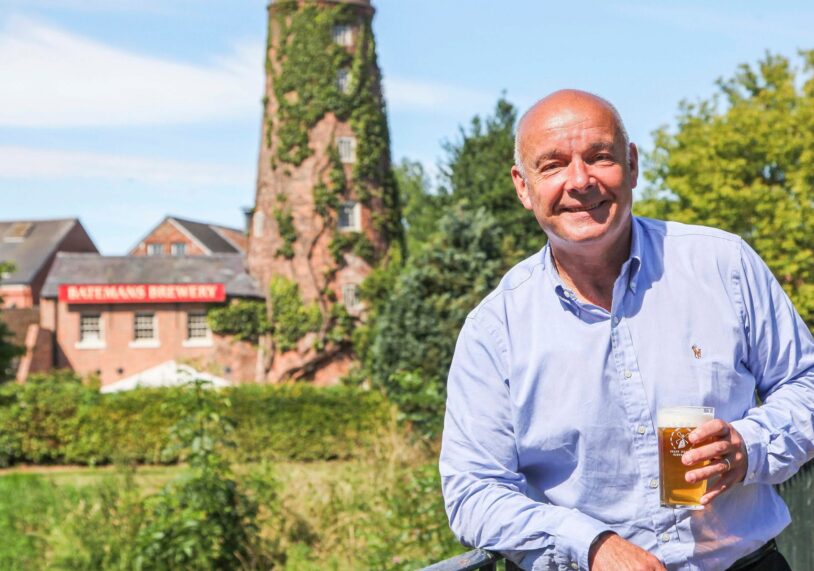
Batemans Brewery has been brewing at Wainfleet for more than 150 years, producing traditional ales from its historic windmill brewery (batemansbrewery.co.uk). Also worth discovering is Eight Sail Brewery in Heckington (eightsailbrewery.co.uk).
Belvoir Farm has spent more than 40 years producing premium cordials and pressés, including elderflower cordial using hand-picked blossoms gathered from local hedgerows (www.belvoirfarm.co.uk).
Stokes Tea & Coffee was established in 1902 and is now run by the fourth generation of the family (www.stokescoffee.com). Lincoln Tea & Coffee Company produces its own Lincolnshire breakfast tea and Earl Grey blend (www.lincolnteaandcoffee.co.uk).
We also recommend Tipplemill, where fifth generation farmers James and Lily Craven distil gin from a wheat spirit produced using grain grown on their own farm (www.tipplemill.co.uk).
FAQ
How much of the UK’s wheat does Lincolnshire produce? Lincolnshire produces approximately 11 per cent of the nation’s wheat, grown across around 250,000 hectares of farmland devoted to cereal production.
What is Lincolnshire Poacher cheese? Lincolnshire Poacher is an internationally acclaimed cheese produced by brothers Simon and Tim Jones near Alford, made from unpasteurised milk from around 230 Friesian cows, combining the richness of a traditional Cheddar with the nuttiness of Alpine cheeses such as Comté.
Where can I buy Lincolnshire sausages? Recommended local butchers include Boston Sausage at Abbey Parks Farm Shop in East Heckington, Redhill Farm Shop in Gainsborough and on Lincoln’s Steep Hill, and Gary Simpson Butchers, with shops in Sleaford, Stamford and South Hykeham.