August Garden Jobs: Mark Lane’s Expert Guide, 2026
BBC Gardeners’ World presenter Dr Mark Lane on the August tasks that keep borders blooming now — and quietly shape next spring
August is often seen as the height of the gardening year — borders brimming, vegetables cropping heavily, the whole garden full of life. But beneath that abundance lies an important truth: August is a pivotal month of transition. What you do now not only sustains the current display but quietly shapes the success of autumn, winter and even next spring.
Keep the Colour Coming
The most immediate task is managing growth. Regular deadheading is essential: removing spent flowers from bedding plants, roses and perennials encourages further blooms and stops plants diverting energy into seed. For dahlias and cosmos, it can be the difference between a fading display and weeks of continued colour.
Some perennials will have finished altogether. Rather than leaving them to collapse, cut them back to tidy clumps of foliage — hardy geraniums, catmint and alchemilla respond particularly well to a mid-season haircut. Combine it with a light feed and a thorough watering: almost like giving the plant a reset. If you prefer seedheads for winter interest, simply leave some on each plant.
Water Deeply, Not Often
Watering becomes a more nuanced task in August — it is about method as much as frequency. Deep, infrequent watering beats little and often, encouraging roots to grow deeper and making plants more drought-resilient. Water early morning or late evening to reduce evaporation, and if you haven’t mulched, it’s still worth doing: a layer of compost or well-rotted manure retains moisture and improves the soil.
Lawns may look patchy after summer heat. Resist overwatering established lawns; instead raise the mowing height slightly and let the grass recover naturally, noting any areas for reseeding when renovation conditions arrive in early autumn.
In the Kitchen Garden
Harvest is at its peak, and regular picking is crucial — courgettes, beans, tomatoes and cucumbers should be gathered frequently to keep plants productive. ‘In my own garden, I’ve been picking daily,’ Mark writes, ‘to fill our stomachs and to keep the plants producing.’ Sowing still has a role too: fast growers like salads, radishes and spinach for late-season harvests, and biennials such as foxgloves and wallflowers for next year’s display.
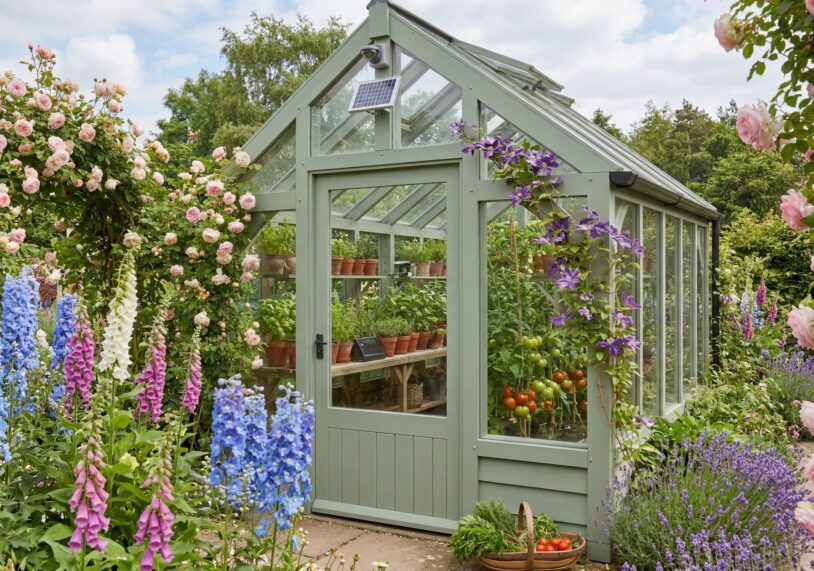
In the greenhouse, ventilation is critical on warm days; watch for whitefly, red spider mite and mildew, and damp down the floor to raise humidity and deter pests.
Free Plants: Cuttings and Seed
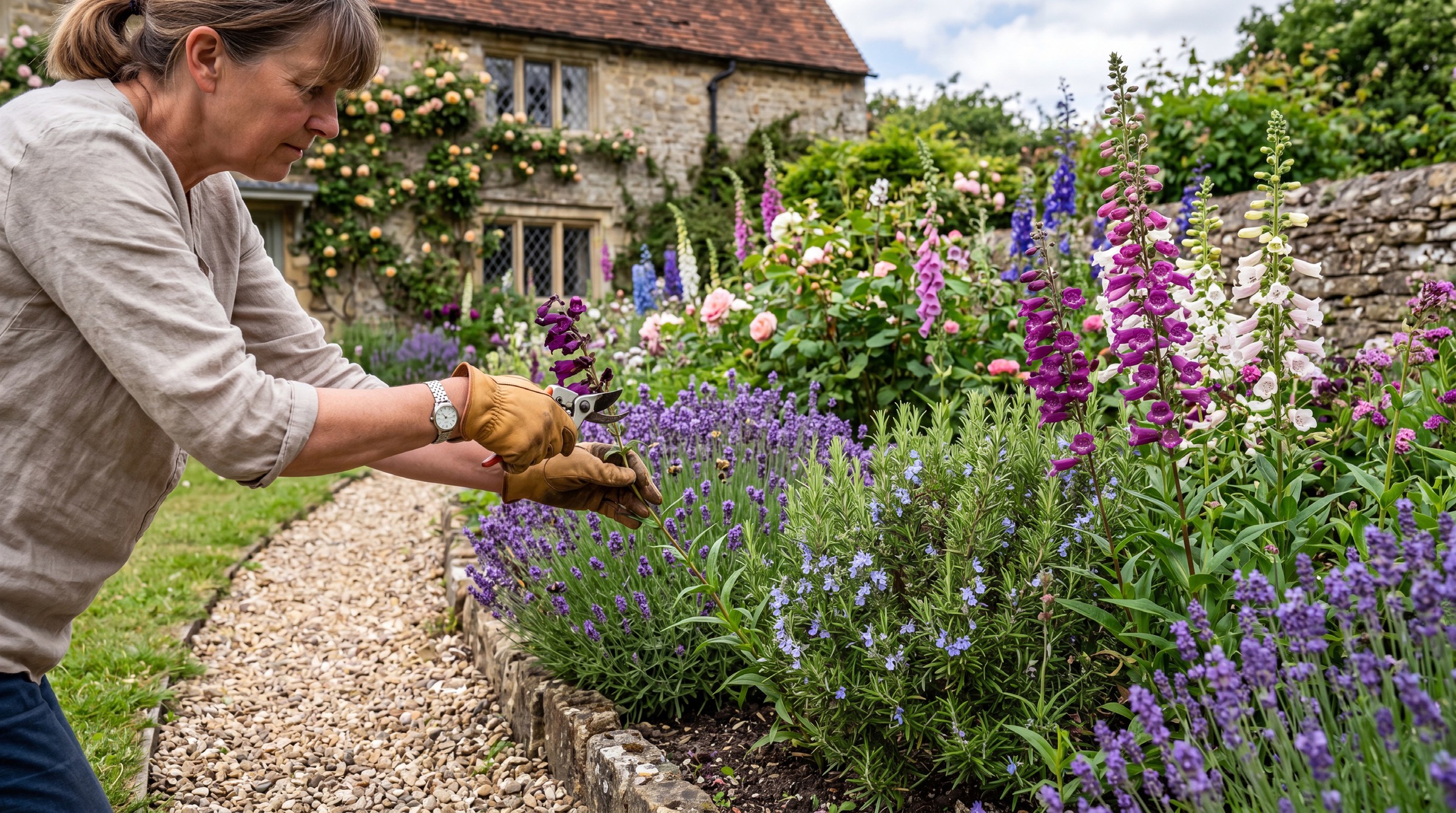
August is prime time for propagation. Semi-ripe cuttings — taken from this season’s partially matured growth — are ideal now, with lavender, rosemary, fuchsia and penstemon especially obliging. Use a sharp, clean blade, remove the lower leaves and insert into free-draining compost in a sheltered, lightly shaded spot.
As seed heads form, collect from your healthiest plants on a dry day and store in paper envelopes somewhere cool and dry. It saves money — and selects for plants that thrive in your garden’s particular conditions.
And Finally: Look, and Learn
Keep birdbaths topped up in dry spells, add shallow dishes for insects, and resist tidying everything — seed heads and untidy corners feed and shelter wildlife. Then pause. Which plants thrived in the heat? Which struggled? That quiet reflection, Mark says, is one of the most valuable gardening tools you have.
Mark’s August Checklist
Deadhead roses, dahlias and cosmos regularly • Water containers and new plantings thoroughly, preferably in the evening • Raise mowing heights in hot, dry spells • Trim lavender after flowering, avoiding old wood • Prune wisteria’s long whippy shoots • Feed dahlias with high-potash fertiliser • Harvest tomatoes, courgettes, beans and sweetcorn frequently • Take semi-ripe cuttings • Collect seed on dry days • Order spring bulbs now, ready for autumn planting.
Frequently Asked Questions
What should I prune in August?: Trim lavender once flowering finishes (avoiding old wood), shorten wisteria’s whippy shoots, and cut tired perennials like hardy geraniums back to fresh foliage.
How often should I water the garden in August?: Deeply and infrequently rather than little and often, in early morning or late evening — it builds deeper, more drought-resilient roots.Is August too late to sow anything?: No — sow salads, radishes and spinach for late crops, and biennials like foxgloves and wallflowers for next year.
Dr Mark Lane is a multi-award-winning garden designer, horticulturalist and TV presenter (BBC Morning Live, BBC Gardeners’ World, the RHS Flower Shows, Channel 5), and author of The Thrifty Gardener, Royal Gardens of the World and the Future of Gardens. www.marklanedesigns.com