Inside LVMH: The Story Behind the World’s Great Luxury Brands
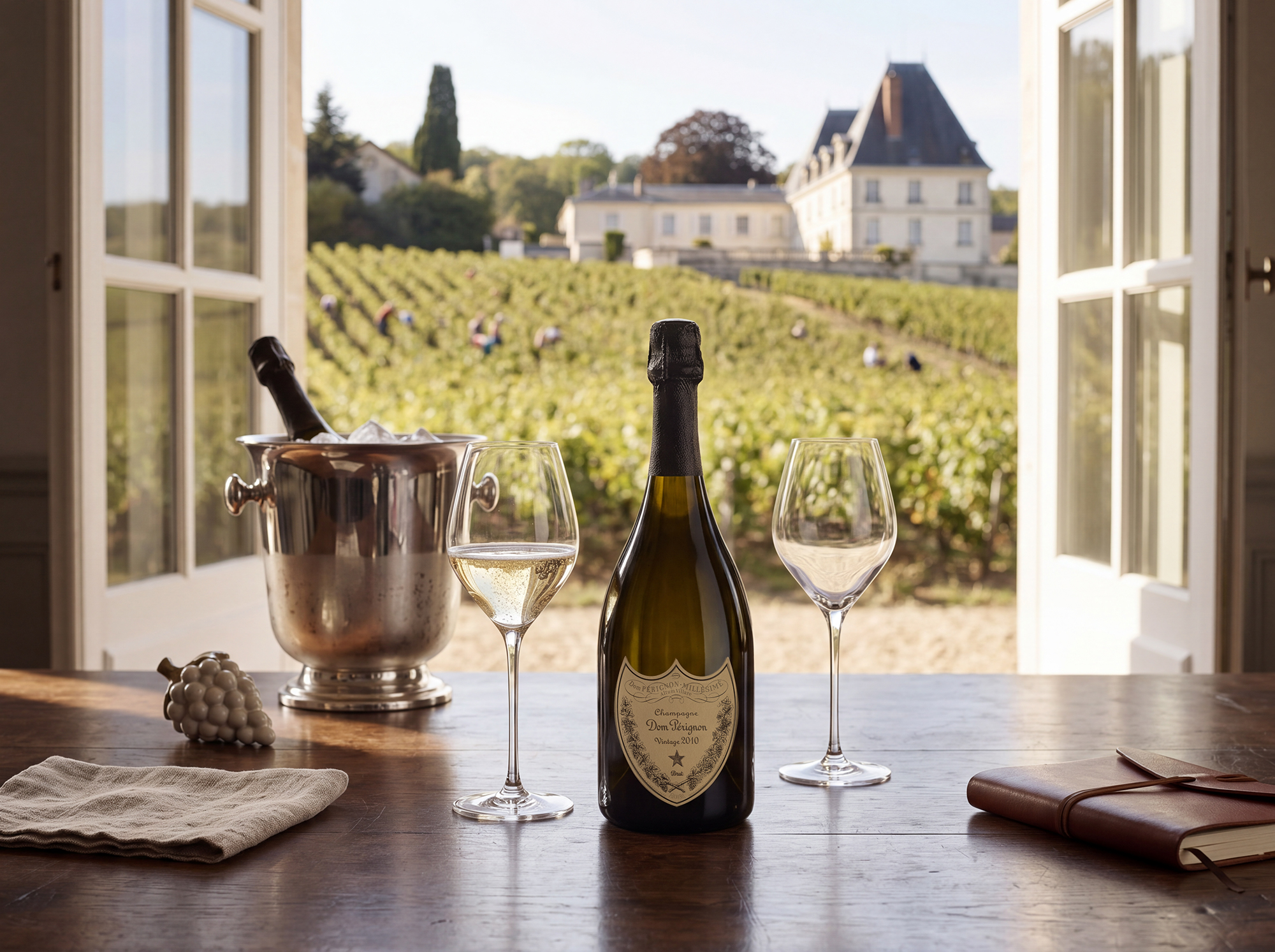
Next year will represent 100 years since maison Champagne Mercier gifted something rather special to the happy couple, Francine Durant-Mercier and Paul Chandon, upon their marriage. The Dom Pérignon brand name was transferred to Moët & Chandon to celebrate the couple’s wedding, and 10 years later, in 1936, the company launched the first Dom Pérignon vintage.
Today Dom Pérignon and Moët are arguably two of the world’s best-known names, and like many more of the world’s best brands, they’re part of LVMH — Louis Vuitton Moët Hennessy — founded in 1987 under the leadership of Chairman and CEO Bernard Arnault.
It is easy to assume that people buy a Louis Vuitton handbag, a bottle of Dom Pérignon or a Tiffany diamond simply because they are expensive. In reality, the world’s most successful luxury brands trade on something far more valuable than price: emotion. A luxury brand offers a sense of belonging, aspiration and permanence.
The Tiffany blue box presented across a restaurant table, the cork eased from a bottle of Dom Pérignon at a wedding celebration, or a Louis Vuitton holdall accompanying its owner through an airport terminal are all experiences loaded with symbolism. These brands are not merely products; they are markers of achievement, milestones and memories.
This understanding of luxury lies at the heart of LVMH’s success. Whilst the group has grown into one of the world’s largest companies, its greatest achievement has been preserving the individual identities of its maisons. Dom Pérignon still feels distinct from Krug, Tiffany remains unmistakably Tiffany with their beautiful aqua-coloured boxes, whilst Dior retains the elegance and exclusivity that made it famous nearly 80 years ago.
Bernard Arnault recognised early on that luxury cannot simply be manufactured. Through his family holding company, he remains the controlling shareholder in LVMH and has spent decades assembling an unparalleled collection of heritage brands.
Fashion and leather goods
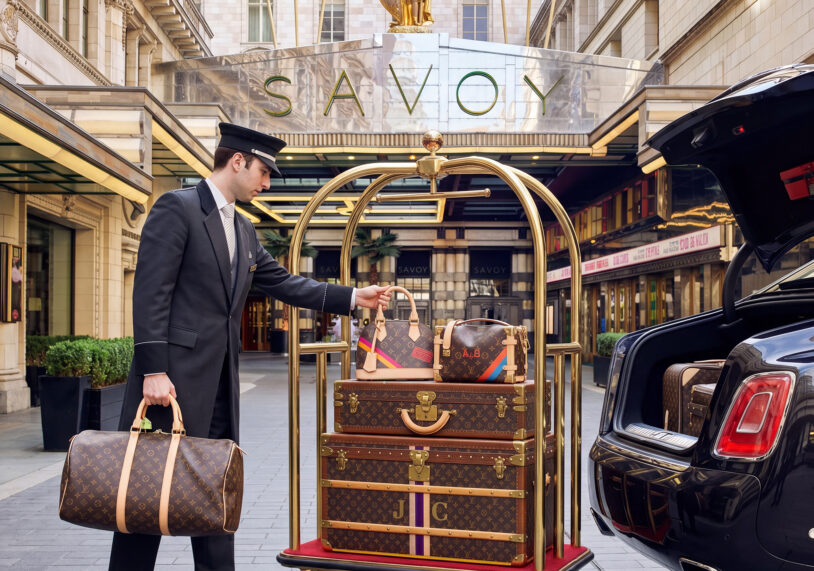
Louis Vuitton, meanwhile, was founded in 1854 originally to produce luggage trunks that could be stacked on top of one another. Up to that point, trunks for luxury voyages featured rounded tops to ensure water would run off them. These were tricky for those handling well-heeled travellers to stack, but apprentice layetier (box and trunk maker) Vuitton set about solving the problem.
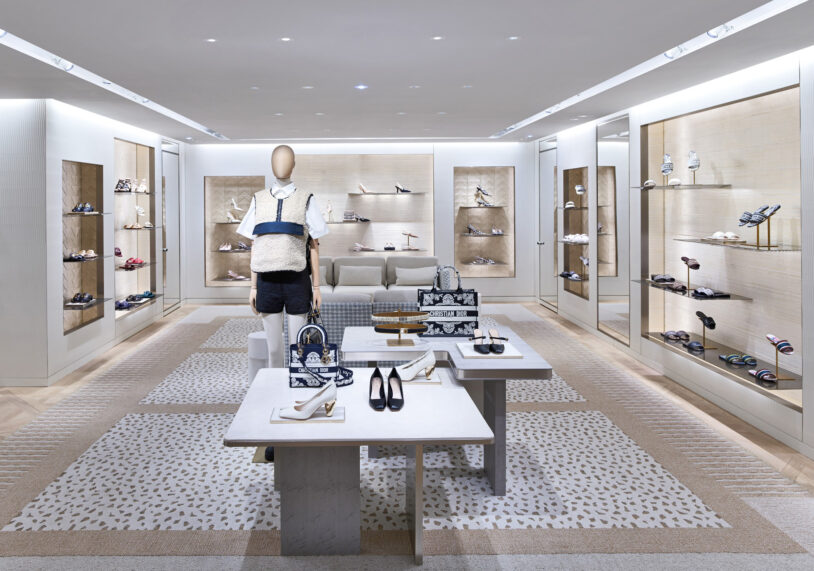
Among the other long-established leather goods brands that became part of LVMH’s portfolio are Loewe (1846), Rimowa (1898), and Fendi (1925). Other halo brands for LVMH’s fashion and leather goods division include Christian Dior (established in 1947 and joining LVMH in 2017), Givenchy (established 1952 and joining LVMH in 1988) and Marc Jacobs (established 1984 and joining LVMH in 1997).
Jewellery, watches and beauty
Other perfume houses like Guerlain (established 1828) and Parfums Christian Dior (established 1947) also joined LVMH, whilst more recent members of the LVMH family include France’s Sephora, a perfumery established in 1970, and Benefit Cosmetics, founded in 1976. Among the most recent brands to join LVMH is Fenty Beauty by Rihanna, established in 2017.
LVMH’s most venerable jewellery brand, Tiffany & Co, also featured in Audrey Hepburn’s 1961 film Breakfast at Tiffany’s, and alongside Hublot, Tag Heuer, Bulgari and Chaumet — the latter specialising in tiaras for the exceptionally wealthy — the group has acquired more of the world’s most renowned jewellery and watchmaking brands.
LVMH’s most lucrative sector is its fashion and leather goods division, which contributes around 47% to the company’s revenues. Watches and jewellery brands contribute 13%, perfumes and cosmetics brands are responsible for 11% of the company’s revenue, and its wines and spirits brands contribute 7% to sales.
Tracing the earliest of its brands back to the 14th century and with 75 maisons in the company’s portfolio, LVMH has a fascinating history, encompassing some of the world’s best brands, all within a single and rather remarkable family. You have to wonder what Dom Pérignon would make of the firm today, his name gifted to one of the world’s finest wines, but with global revenues measured in the billions, he’d almost certainly have to raise a glass to Arnault’s house of brands.
See www.lvmh.com.
FAQ
When was LVMH founded? LVMH — Louis Vuitton Moët Hennessy — was founded in 1987 under the leadership of Chairman and CEO Bernard Arnault.
How many brands are part of LVMH? LVMH has 75 maisons in its portfolio, tracing its earliest brands back to the 14th century.
Which LVMH division generates the most revenue? Fashion and leather goods is LVMH’s most lucrative sector, contributing around 47% of the company’s revenues, followed by watches and jewellery (13%), perfumes and cosmetics (11%) and wines and spirits (7%).