Tipplemill Gin: From Fenland Wheat, Field to Glass
A story that links five generations of farming with Moulton Windmill, British craftsmanship and a carefully traced field-to-glass spirit
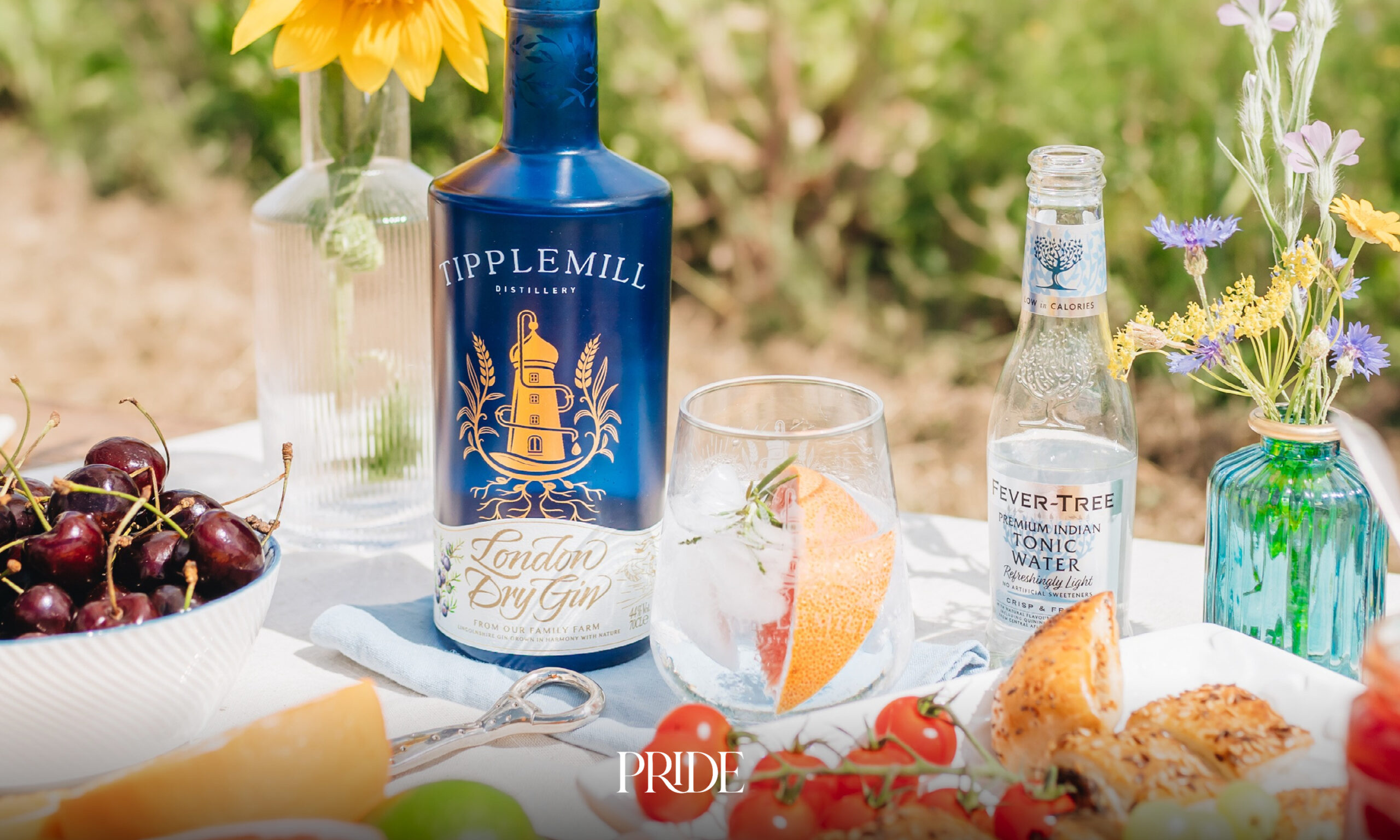
Tipplemill London Dry Gin begins with wheat grown by James and Lily Craven, whose family has farmed in the Fens for five generations. That matters because the base spirit is not treated as anonymous. Growing the grain creates a direct line between field and bottle, allowing the family to talk about soil, harvest and traceability as part of the drink’s character rather than as background decoration.
Milled by the wind
The wheat travels to Moulton Windmill, built in 1822 and described by its custodians as the tallest working windmill in Britain. Volunteers mill when conditions allow, with Tipplemill explaining that useful winds are typically around 15 to 20 miles per hour. The flour then forms the basis of the spirit. It is a process rich in symbolism, but also a practical partnership that connects a new product to a working piece of local heritage.
Botanicals with a sense of place
Juniper, coriander and citrus provide the familiar architecture of a London dry gin. Elderflower and sweet fennel from the farm’s hedgerows add a more particular local note. The aim is balance rather than novelty: a spirit that works in a classic gin and tonic while carrying a story drinkers can follow. The millstone-inspired stopper continues that narrative in the bottle design.
Farming in harmony with nature
For the Craven family, provenance also brings responsibility. Soil health, wildlife and the long view of a family farm shape how they describe their work. Turning part of the wheat crop into gin offers a closer relationship with the people who enjoy it and helps communicate the skill involved in British agriculture. It also gives the annual rhythm of sowing, tending and harvest a finished product around which people gather.
How to discover Tipplemill
The current range and stockists are listed on Tipplemill’s official website, together with more detail about the farm, botanicals and mill. Prices and availability can change, so use the producer’s own shop for live information. Pride’s September feature tells the longer human story behind a gin whose most distinctive ingredient may be its connection to place.
Read our full feature in this month’s magazine here.