




Lincolnshire Gardens: NGS Open Gardens
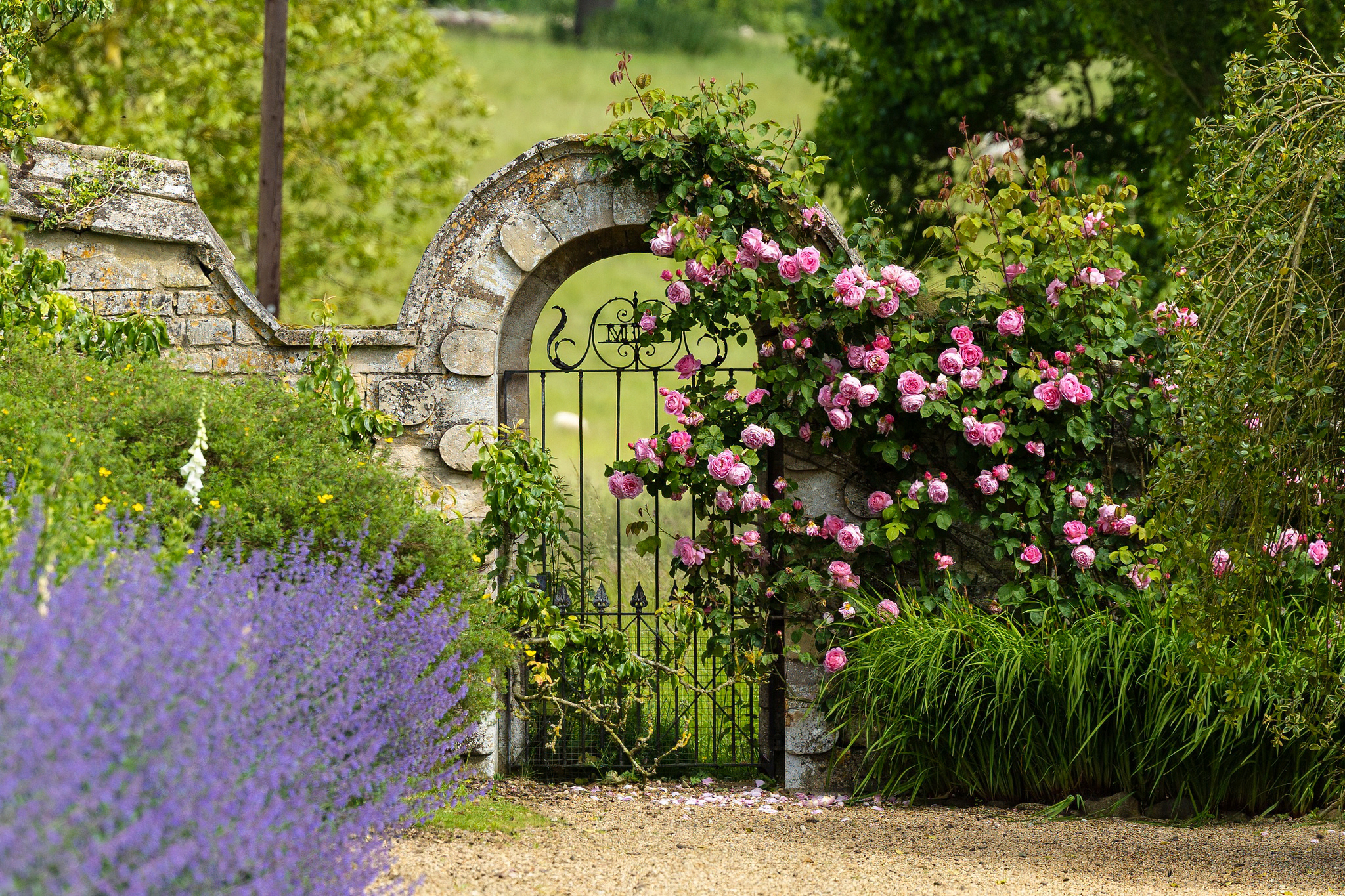
Discover Lincolnshire’s most inspiring private gardens as the National Garden Scheme returns for 2026, offering visitors a chance to enjoy beautiful blooms, home made refreshments and the simple pleasure of supporting life changing charities
How does your garden grow? There are few organisations that capture the quiet generosity of the British gardening spirit quite like the National Garden Scheme. Established in 1927, the charity grew from a simple but inspired idea: at a meeting of the Queen’s Nursing Institute in 1926, council member Miss Elsie Wagg suggested opening private gardens to raise funds for district nursing. The following year almost 600 gardens welcomed visitors for ‘a shilling a head’, raising £8,191 and launching what would become one of the country’s most enduring charitable movements.
Nearly a century later, the concept remains beautifully straightforward. Proud garden owners open their gates, visitors enjoy a glorious day out filled with inspiration, tea and cake, and vital funds are raised for nursing and health charities. Last year alone the National Garden Scheme donated over £3.8 million, contributing to a remarkable total of more than £77.8 million given since its inception. Core beneficiaries include Macmillan Cancer Support, Marie Curie, Hospice UK, Parkinson’s UK, The Queen’s Nursing Institute and Carers Trust, alongside community garden projects across Britain.
This year the charity welcomes a new ambassador, Alan Titchmarsh, who suceeds Mary Berry and here in Lincolnshire in 2026, more than 30 gardens will open their gates, offering everything from romantic cottage plots to grand parkland settings…
Saturday 29th March: The Old Vicarage
A two acre garden with 160 year old tulip, plane and beech trees: borders of shrubs, roses, herbaceous plants. Snowdrops, early bulbs, hellebores in woodland. Shrub roses and herb garden in old paddock area, surrounded by informal borders with pond, bog garden, wildflowers, grasses and bulbs. Small fruit and vegetable garden. Grass and flower meadow. Garden managed environmentally for 35 years. Wheelchair access via gravel drive. Some hard paths but mostly grass. 12pm to 3.30pm. £5, children free. Refreshments not stated for this date. Low Road, Holbeach Hurn, PE12 8JN. [email protected].
Friday 3rd April: Easton Walled Gardens
A 400 year old, restored 12 acre garden set in the heart of Lincolnshire. Home to snowdrops, sweetpeas, roses and meadows. The River Witham meanders through the gardens, teeming with wildlife. Other garden highlights include a yew tunnel, turf maze and cut flower gardens. The Applestore Tearoom and Coffee Room offers hot and cold drinks, light savoury snacks, home made cakes. Regret no wheelchair access to lower gardens but tearoom, shop, upper gardens and facilities are all accessible. 11am to 4pm. £12.50, children £5. Refreshments available in the tearoom. Easton, NG33 5AP. 01476 530063. [email protected]. www.visiteaston.co.uk.
Sunday 5th April: Ashfield House
Discover 140 flowering cherries and 30 magnolias. Many thousands of spring bulbs, sweeping lawns and lake. Beautiful naturally landscaped garden with superb mature trees and a fascinating arboretum. One of the best flowering cherry displays in the area. Fairly level garden. Wheelchair access via grass paths. 11am to 4pm. £6, children free. Light refreshments. Lincoln Road, Branston, Lincoln, LN4 1NS. 07977 505682. [email protected].
Sunday 5th April, Sunday 3rd May: Woodlands
A lovely mature woodland garden where a multitude of unusual plants are the stars, many of which are available from the well stocked RHS listed nursery. During 2022 several small areas have been redesigned and a great deal of fresh planting has taken place. Award winning professional artist’s studio and gallery open to visitors. Specialist collection of Codonopsis for which Plant Heritage status has been granted. Wheelchair access possible to some areas with care. We leave space for parking at the house for those who cannot manage the walk from the car park. 10.30am to 4.30pm. £5, children free. Home made teas. Peppin Lane, Fotherby, Louth, LN11 0UW. www.woodlandsplants.co.uk. Please park on the right verge opposite allotments and walk approximately 350 yards to the garden. No parking at the garden.
Saturday 11th April/Sunday 12th April: Burghley House
The Private South Gardens at Burghley House open for the National Garden Scheme with spectacular spring bulbs in a park like setting with magnificent trees. Relish the opportunity to enjoy Capability Brown’s famous lake and summerhouse. Wheelchair access via gravel paths. 10am to 4pm. £12/adults, children £9.50. Stamford, PE9 3JY. 01780 752451. [email protected]. www.burghley.co.uk. Pre booking essential via www.ngs.org.uk.
Sunday 19th & 26th April/Sunday 3rd May: 23 Accommodation Road
A medium sized garden to wander around and discover different plants. A range of tall and dwarf bearded iris, auricula theatres showing off lovely doubles, plus fruit trees and bushes. Designed with small rooms showing off flowers, with garden plaques throughout. Plants and garden wall plaques to purchase. Partial wheelchair access to decking area. 11am to 4pm. £3.50, children free. Horncastle, LN9 5AS. Mr and Mrs D Chapman.
Sunday 26th April: Dunholme Lodge
A WWll airfield site and farm. Garden developed over 35 years comprising five acres of trees, shrubs, mixed borders, spring bulbs, roses, wildflower area, large wildlife pond, vegetable patch and topiary. War memorial and pop up museum, craft stalls, vintage vehicles and music. 11am to 5pm. £5.50/adults, children free. Home made teas. Dunholme, Lincoln, LN2 3QA.
Sunday 3rd May: Oxcombe Manor
Oxcombe lies in a secluded picturesque valley of the Lincolnshire Wolds, with a manor house, traditional farmstead and parish church among a kitchen garden, orchard, lawns, woodland and flower beds. Today it offers a tranquil retreat for developing potters and artists. Visitors can enjoy the gardens while trying pottery taster sessions, browse local produce stalls, and relax with tea and home made cakes. 11.30am to 5.30pm. £7/adults, children free. Tea, coffee and cake. Oxcombe, Horncastle, LN9 6LU. www.oxcombepottery.co.uk.
Saturday 9th May/Sunday 10th May: Belvoir Castle
The striking Regency castle sits proudly overlooking the beautiful Vale of Belvoir and is surrounded by Capability Brown landscape. The roses in the garden today are the design of Emma, Duchess of Rutland. Bistro cafe and farm shop at Belvoir’s Retail Village. 9.30am to 5pm. £10/adults children £6. Last entry to the garden at 4.30pm. Belvoir, Grantham, NG32 1PE. 01476 871001. [email protected]. www.belvoircastle.com.
Tuesday 12th May: Grimsthorpe Castle
The Grade I listed gardens encompass nearly 70 acres and include large formal lawns, fine topiary and formal hedges, ornamental and productive kitchen garden, large herbaceous borders, rose parterre and woodland walks with spring bulb displays and Capability Brown landscape. Farm shop, adventure playground, historic house and park trails. 10am to 5pm. £10, children £6. Tea, coffee and cake at Coach House Tearoom. Grimsthorpe, Bourne, PE10 0LY. 01778 591205. [email protected]. www.grimsthorpe.co.uk.
Sunday 17th May: The Old Vicarage
A two acre garden with 160 year old tulip, plane and beech trees: borders of shrubs, roses, herbaceous plants. Snowdrops, early bulbs, hellebores in woodland. Shrub roses and herb garden in old paddock area, surrounded by informal borders with pond, bog garden, wildflowers, grasses and bulbs. Small fruit and vegetable garden. Grass and flower meadow. Garden managed environmentally for 35 years. 1pm to 5pm. Combined with Old White House £8, adults, children free. Refreshments served at Old White House, in aid of a local charity. Low Road, Holbeach Hurn, PE12 8JN. [email protected].
Sunday 17th May: Old White House
A mature garden of one and a half acres featuring herbaceous borders, roses, patterned garden, herb garden and walled kitchen garden. Large catalpa, tulip tree that flowers, ginkgo and other specimen trees. 1pm to 5pm. With The Old Vicarage, £8/adults, children free. Home made teas and cakes, in aid of a local charity. Baileys Lane, Holbeach Hurn, PE12 8JP.
Saturday 23rd May: Aswarby House
Garden of one acre planted in the grounds of a handsome eighteenth century house and coachhouse. Partial walled garden, wildflower meadow surrounded by ornamental grasses and a 30 metre long herbaceous border. Two box parterres, woodland shrubs and stunning views over ancient ridge and furrow grassland. A lovely complement to a visit to Aswarby Park. 2pm to 5pm. Combined with Aswarby Park £10/adults children free. Home made teas in Aswarby Park, refreshments in aid of Aswarby Church. Aswarby, Sleaford, NG34 8SE. Penny and James Herdman.
Saturday 23rd May: Aswarby Park
Formal and woodland garden in a parkland setting of approximately 20 acres. A unique rose walk, a cutting garden created in 2022 and a wildflower bed in 2023. 2pm to 5pm. Combined with Aswarby House £10/adults, children free. Home made teas, refreshments in aid of Aswarby Church. Aswarby, Sleaford, NG34 8SD. www.aswarbyestate.co.uk.
Saturday 23rd May: Scawby Hall
The kitchen garden at Scawby Hall was developed during the Victorian era and maintains the original framework of four quadrants with box hedging edged with espaliered fruit trees. Brilliant peony display in late spring and dahlias in late summer. Traditional garden with productive vegetable patch and modern additions including a pleached copper beech circle and grass collection. Paths lined with woodchip. 11am to 4pm. £6/adults, children free. Tea, coffee and cake in the church, refreshments in aid of local church. Vicarage Lane, Scawby, Brigg, DN20 9LX. www.scawbyhall.com.
Saturday 6th June: Woodside Farmhouse
17th-century Lincolnshire Longhouse, the garden has been 16 years in the making. From a derelict house and plot, it has evolved to provide space for living, working, exercising, cherishing plants and relaxing.10.30am to 4.30pm. £5/adults, children free. Tea, coffee and cake. Newton, Sleaford, NG34 0EE.
See the full feature in the April 2026 version of Lincolnshire Pride at https://www.pridemagazines.co.uk/lincolnshire/view-magazines?magazine=April-2026