Celebrating 25 Years of Pride Magazines
The people, personalities and passion behind 25 years of the luxury lifestyle magazine
Twenty-five years in business is a milestone few companies ever reach. In a world where technology changes almost daily, consumer habits evolve constantly and entire industries can be transformed in the space of just a few years, surviving is an achievement. Thriving is something else entirely.
As Pride enters its twenty-fifth year, we have found ourselves reflecting not just on the magazine itself, but on the people behind it. Because whilst logos evolve, designs change and technologies advance, businesses are ultimately built by people. Or perhaps, in our case, lionhearts.
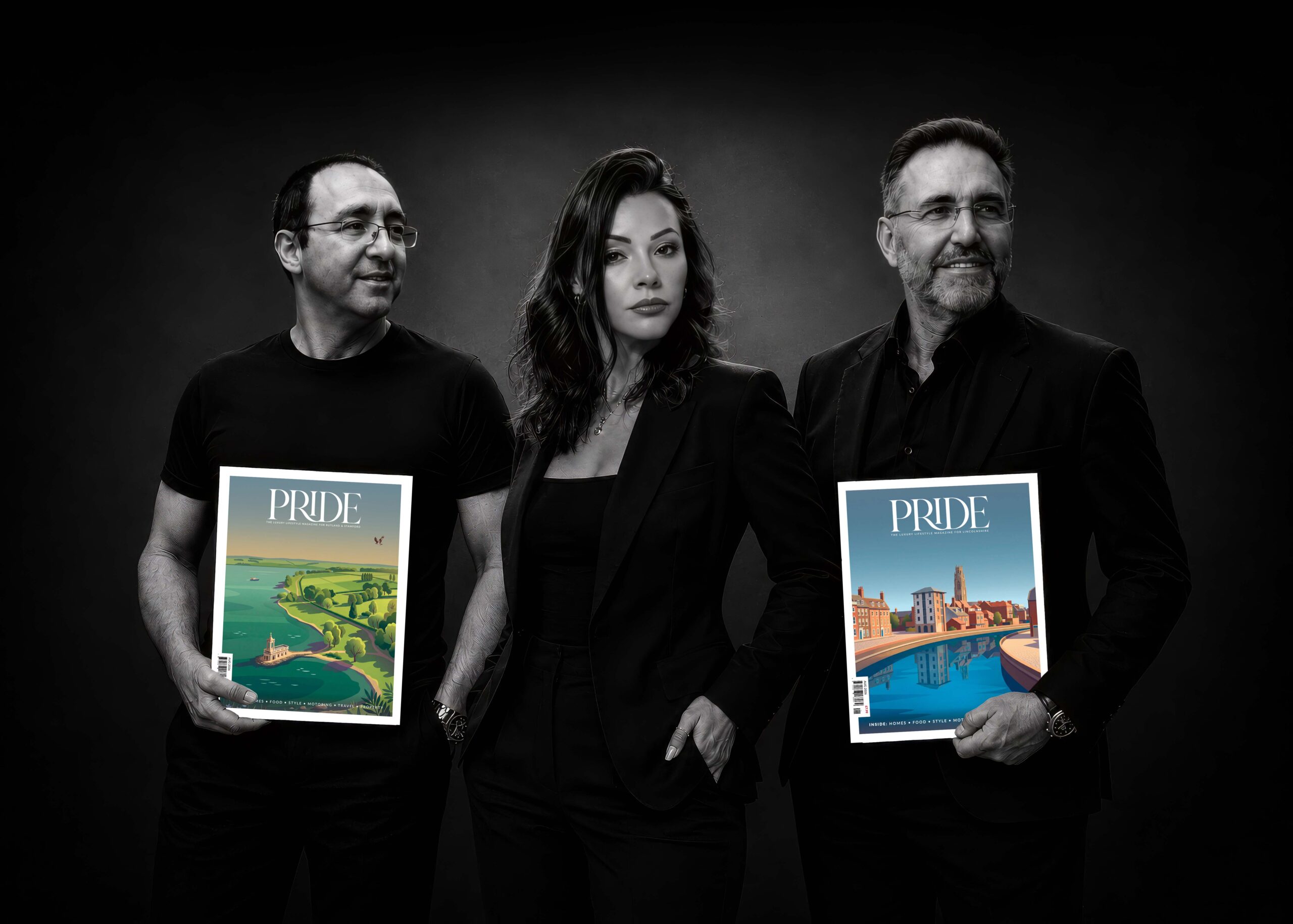
At the centre of Pride’s story are three very different personalities. Julian Wilkinson, the founder, whose original idea and passion for design, quality and innovation created the magazine in the first place. Zoie Wilkinson, Sales Director, whose instinct for people, relationships and growth has helped develop the business and strengthen its connection with advertisers. And Rob Davis, our wordsmith, editor and storyteller, who has lived and breathed Pride for so long that if you snapped him in half, you would probably find the word Pride running through him like lettering in a stick of Skeggy rock.
When Lincolnshire Pride first appeared in 2002, the publishing world looked very different. Social media did not exist in the way we understand it today. Smartphones were still to come. Artificial intelligence belonged firmly in science fiction. What did exist was an idea: that there was room for a magazine which celebrated the very best of county life. Not hard news, gossip or controversy, but beautiful photography, exceptional homes, inspiring people, great food, wonderful places and stories worth telling.
That belief remains exactly the same today. Julian’s passion has always been quality: design, detail and the little things most people never notice individually, but somehow always feel. From the carefully selected paper to the choice of typeface, from photography to layout, from how a feature opens to how it ends, Pride has always been built on the belief that quality is rarely an accident. It is created deliberately, patiently and sometimes obsessively.
If Julian provides the vision, Zoie provides much of the energy behind the magazine’s growth. As Sales Director, her passion has always been people: conversations, relationships and understanding what makes businesses successful. Advertising has changed dramatically over the last twenty-five years. Businesses today are surrounded by marketing opportunities, from websites and social media to Google, video, influencers and now artificial intelligence. Yet despite all the noise, one thing remains unchanged. People still buy from people. They still value trust, relationships and genuine recommendations. Zoie’s ability to build those relationships has played a huge role in the magazine’s success, and many of our advertisers have been with us for years, some for decades. That loyalty is never taken for granted. It is earned.
Then there is Rob Davis. Every magazine needs an editor, but Pride has something rather more valuable than that. Rob understands the magazine’s voice, its readers and its tone. More importantly, he understands that great magazines are built on great stories. Every feature begins with a blank page, and Rob’s gift is filling those pages with warmth, humour, personality and humanity. It is one of the reasons Pride has always felt authentic, and one of the reasons readers have remained loyal for so many years.
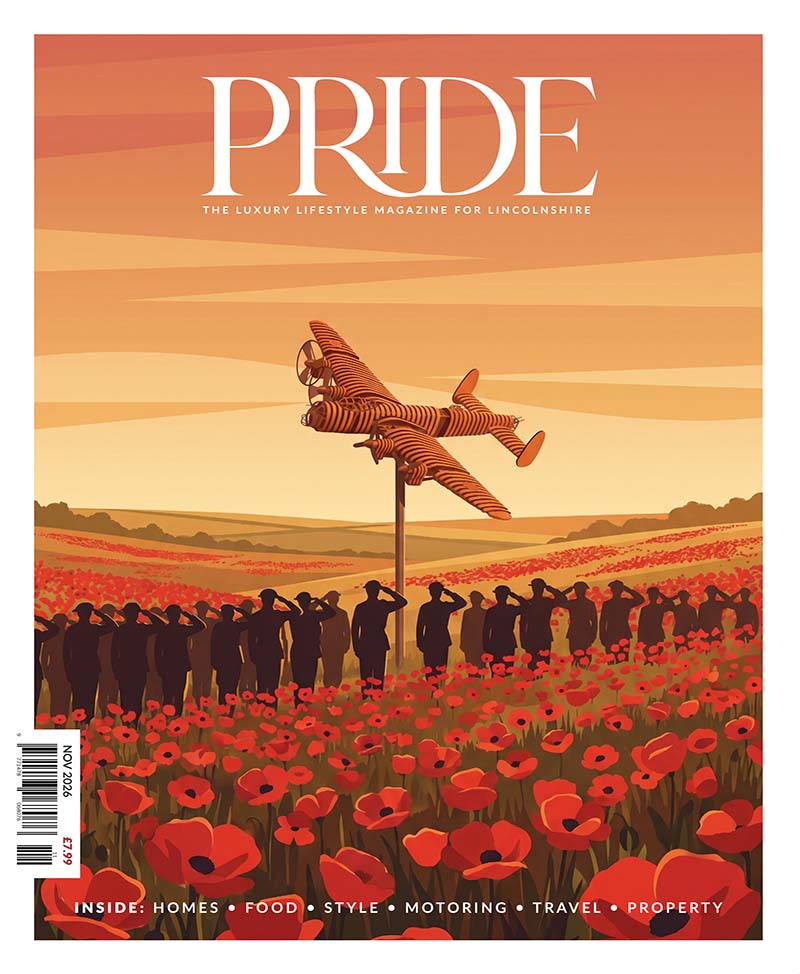
This year, as part of our refreshed identity, we also wanted to recognise Rob’s contribution in a small but meaningful way. Many readers will already have noticed our new logo. Look closely and you may discover a subtle hidden detail within the design: a quiet tribute to someone whose dedication has helped shape Pride for a very long time. It is our way of saying thank you. A quarter century of excellence deserved more than a thank-you.
Of course, no business reaches twenty-five years by standing still. One of the greatest lessons we have learned is that change should never be feared. It should be understood, embraced and used intelligently. Some readers may look at the portraits featured in this article and immediately say, “That’s AI.” They would be absolutely right, and that is precisely the point.
Twenty-five years ago, we embraced digital photography when others still worked with film. We embraced desktop publishing, digital editions, websites, social media, drones, video and online magazines. Today, we are embracing artificial intelligence, not because it is fashionable, but because it is useful. For businesses across Lincolnshire and Rutland, AI has the potential to transform productivity. A solicitor can draft documents faster. An estate agent can create property particulars in seconds. A retailer can generate marketing ideas. A manufacturer can analyse data more effectively. A farmer can monitor crops and identify trends. For readers, the possibilities are equally exciting, whether planning a holiday, researching family history, learning a new skill, visualising a room before redecorating it or simply finding smarter ways to organise everyday life.
Artificial intelligence will not replace people. But people who use artificial intelligence may well replace those who do not. That is true in publishing, true in business and true in life.
The publishing industry has changed dramatically over the past quarter century. Magazine sales have declined across the country, and reader habits have evolved. We recognised those changes years ago. Rather than relying on traditional newsstand sales, we focused on direct distribution, delivering Pride free of charge into carefully selected homes across Lincolnshire, Rutland and Stamford. That decision was not made by accident. It was made because we could see where the market was heading. Today, Pride reaches engaged readers directly in their homes while continuing to provide exceptional value for advertisers.
That approach is supported by what our readers tell us. Pride is not a magazine people simply flick through and discard. It is read, kept, shared and discussed. It sits on kitchen tables, coffee tables and in waiting rooms. It is passed to friends, taken into offices and enjoyed over coffee or a glass of wine. In a world dominated by fast scrolling and disposable content, that matters.
As we celebrate twenty-five years of Pride, we do so with immense gratitude to our readers, advertisers, contributors and the team who have helped create every edition. We are proud of our history, but we are even more excited about the future. New technology, new ideas and new opportunities will continue to shape the way we work. The world will keep changing, as it always has. The important thing is not to resist change, but to meet it with confidence.
After all, lionhearts were never meant to follow the herd. They were born to lead.